Technology and Science · updated 3h ago · 3 min read
NASA Pays Boeing $359 Million To Rebuild Starliner Reaction Thrusters, Order Two More Flights
NASA to order two additional Starliner flights to maintain crewed access after Atlas V retirement. Uncrewed Starliner test flight planned for December–January to validate upgrades after 2024 propulsion failures.
Whether to foreground SpaceX’s stance or NASA’s redundancy rationale.
8 of 10 outlets skipped it: NASA will pay $359 million for upgrades and Vulcan certification.
11outlets compared
Same story, two versions
tap a side to read it in full
Ars Technica
“we’re just gonna let them have some business. They should fly their capsule.”Read the original ↗
CBS News
“It's always been the Commercial Crew Program's goal to have two crew transportation providers to ensure commercial access to low Earth orbit,”Read the original ↗
Ars Technica foregrounds SpaceX’s “let Boeing have some business” quote, while CBS emphasises NASA’s two-provider redundancy goal.
Starliner returns to flight
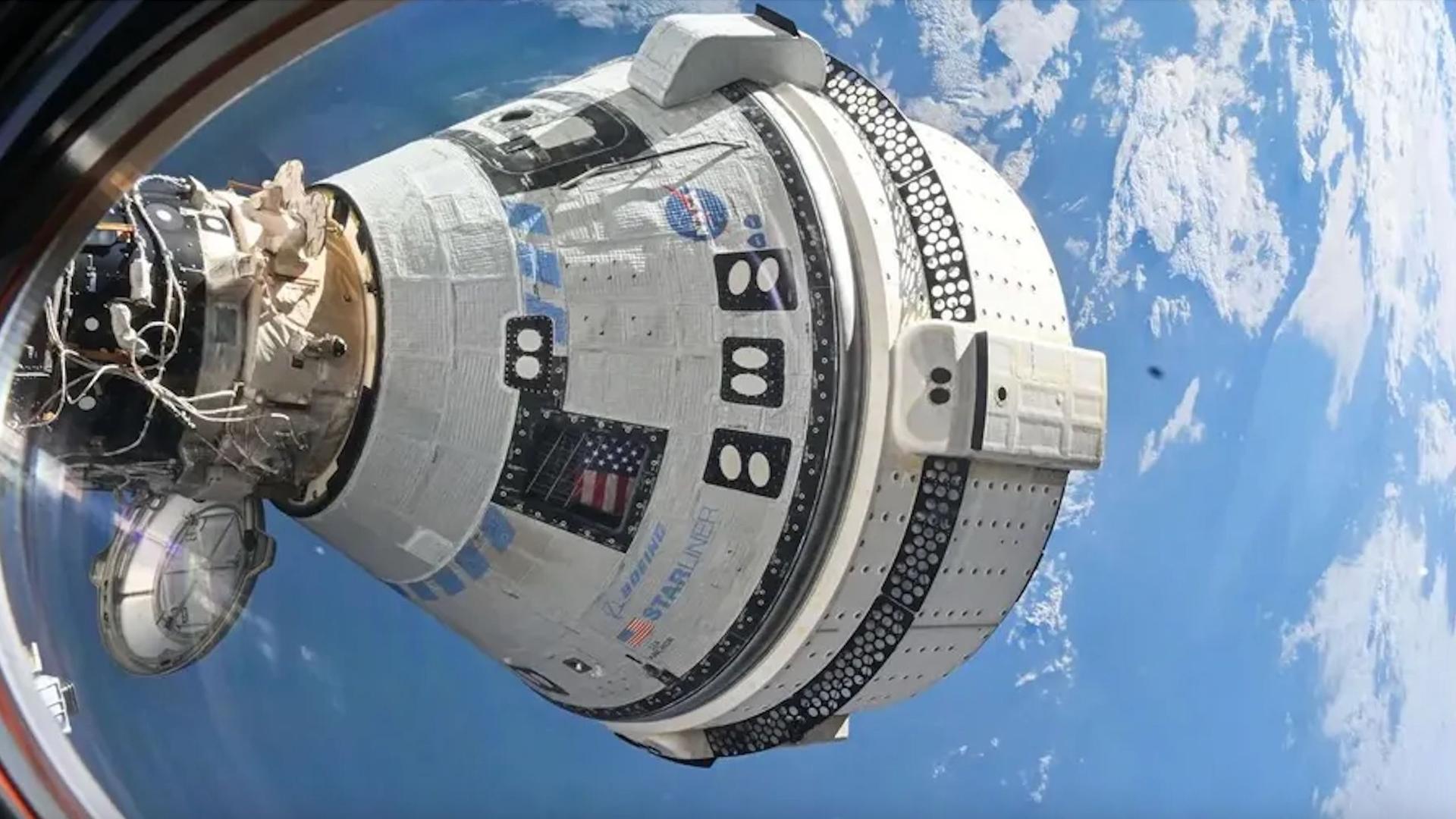
NASA announced it will exercise options to purchase two additional flights on Boeing’s Starliner spacecraft and financially support Boeing as it works to return the crewed vehicle to flight after Atlas V retires. NASA Administrator Jared Isaacman said, “I do not think it’s a secret that SpaceX intends to sunset older platforms like Falcon and Dragon as they concentrate on their next-generation capability, Starship,” tying the plan to preserving access to low-Earth orbit. Dana Weigel, manager of NASA’s Low Earth Orbit Program, said NASA will pay $359 million to Boeing to help complete a rebuild of reaction control system thrusters that have overheated in flight and to certify United Launch Alliance’s Vulcan rocket for human missions.
NASA said it will order two additional crewed missions on Starliner, bringing its total spaceflights on the vehicle to six, and it manifested an uncrewed demonstration flight, Starliner-1, that could launch in December 2026 or January 2027. NASA also said veteran astronaut Woody Hoburg would command Starliner-2, which could fly in mid-2028, after Starliner experienced numerous issues on uncrewed test flights in 2019 and 2022.
Uncrewed test, then crew
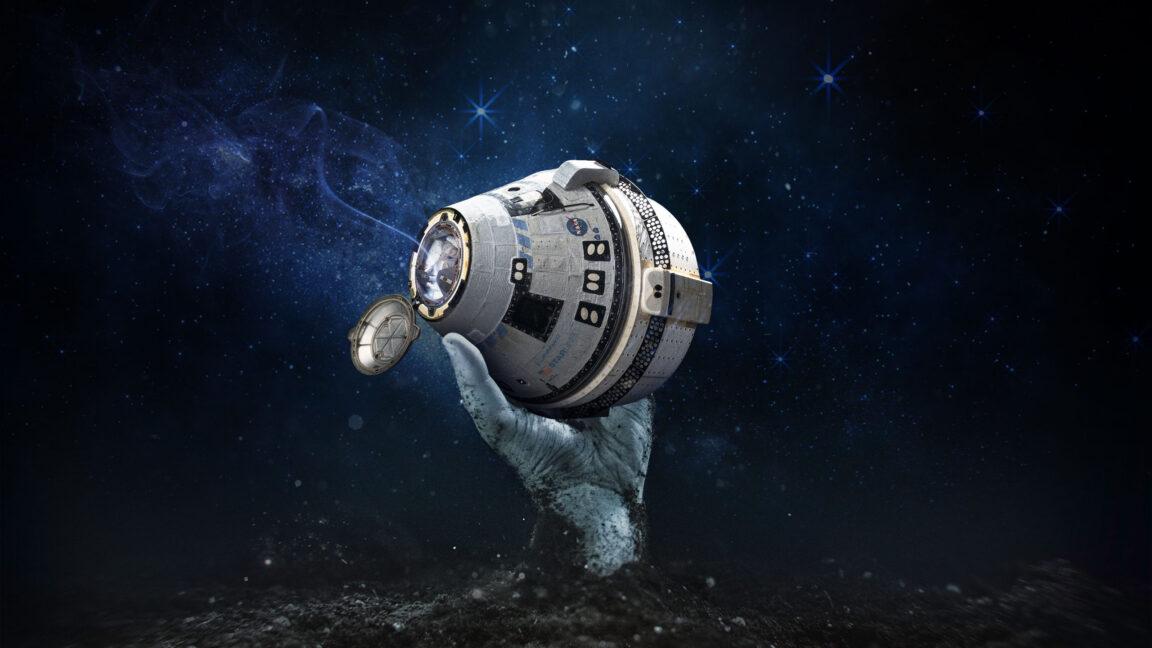
NASA and Boeing plan an unpiloted capsule mission in the December-to-January time frame to test upgrades and improvements ordered after a 2024 mission suffered multiple propulsion system failures for more than nine months. Dana Weigel said, “As SpaceX has publicly stated, the Dragon and the Falcon won't be around forever,” and she added that certifying Boeing’s Starliner is important for supporting ISS and follow-on commercial destinations. Jared Isaacman said, “Before crewed operations resume,” and he pointed to thrusters that require “a design modification,” while NASA also said it is working with Boeing and United Launch Alliance to certify Vulcan Centaur rockets for crewed missions as a replacement.
NASA expects to pay an additional $359 million for Starliner’s upgrades and Vulcan certification, and NASA said the earliest Starliner could fly its next crew mission is mid-2028. Boeing said on X, “Together with @NASA, we're making Starliner hardware enhancements and adding resources for human spaceflight certification,” as NASA set Starliner-1 as the next step before Starliner-2.
After 2024, fixes and stakes
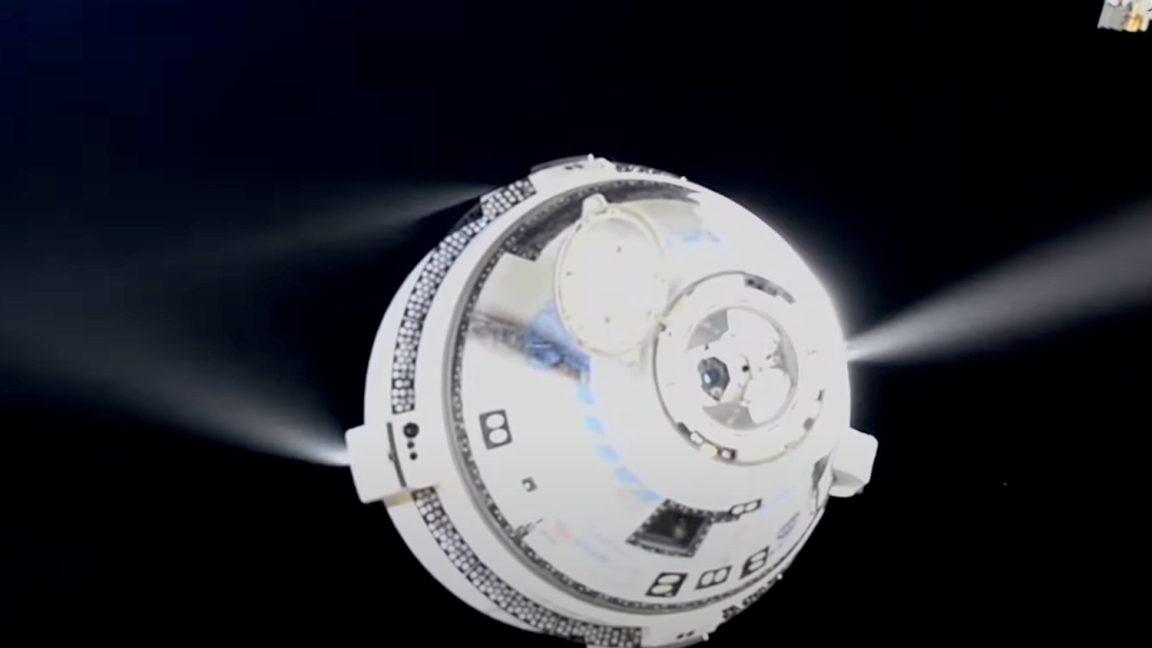
NASA said the 2024 Starliner mission suffered helium leaks and thruster failures, and it ultimately returned the spacecraft empty while Wilmore and Williams stayed on the station before returning home on a SpaceX capsule. NASA Administrator Jared Isaacman said, “Given our extensive history with Starliner and thetaxpayer investment already made, we believe it represents the fastest path to preserving reliable crewed access to low-Earth orbit,” framing the program as a hedge as SpaceX signals it wants to sunset Crew Dragon. Woody Hoburg said, “We have taken responsibility for NASA’s contributions to the program’s challenges, including our handling of the post-mishap investigative process,” and he also told reporters, “there’s a lot that’s right” with the spacecraft.
“The uncrewed Starliner-1 has the potential to fly in December of this year or January 2027.”
NASA said the improvements and Vulcan certification will cost an additional $359 million, and NASA said there are six Atlas V remaining, the current Starliner launcher, and they are no longer being manufactured. NASA said Starliner-1 could fly in December or January and serve as an engineering evaluation mission to verify improved thermal environments and obtain flight data missing to certify it, while NASA and Boeing would complete a service module thruster valve design modification after the flight.