AI System From University of California, Davis Suggests Ingredient Substitutions To Improve Meals
Key Takeaways
- University of California, Davis AI system suggests one to three ingredient substitutions to improve meals.
- Substitutions can make meals healthier while preserving existing eating patterns.
- Substitutions also lower meal costs, according to the study.
AI swaps for meals
A new AI system developed by researchers at the University of California, Davis can suggest as few as one to three ingredient substitutions to make meals healthier and cheaper without dramatically changing what people already eat.
“Researchers from the VIB-KU Leuven Center for Neuroscience, the UK Dementia Research Institute, and Muna Therapeutics have discovered a biological transition that occurs in Alzheimer’s disease (AD) that may influence whether the accumulation of amyloid-β plaques and tau pathology progresses to dementia”
The team analyzed 135,491 meals recorded by 55,228 adults participating in the What We Eat in America survey, then trained a generative AI model to create realistic meals that matched common breakfast, lunch, and dinner patterns while adjusting portion sizes.
In computer simulations, the AI-generated meals came 47% closer to meeting USDA nutrition targets while remaining similar in style and flavor to foods people already consume.
Making one to three ingredient substitutions improved nutritional quality by about 10% and lowered estimated meal costs by 22% to 34%.
The researchers said the findings are based entirely on computer simulations and have not yet been validated with real users, even as the authors wrote that the framework can support public health programs and consumer apps.
Microglia tipping point
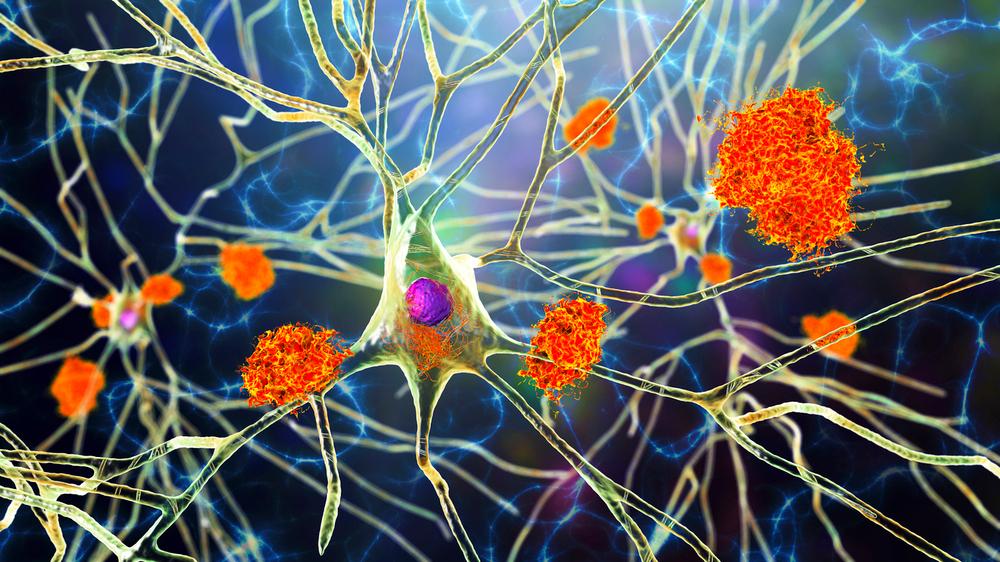
Researchers from the VIB-KU Leuven Center for Neuroscience, the UK Dementia Research Institute, and Muna Therapeutics reported a biological transition in Alzheimer’s disease that may influence whether amyloid-β plaques and tau pathology progress to dementia.
Using human brain tissue from octogenarians with and without dementia and cognitively healthy centenarians, the team found a shift in microglia behavior at a critical point between amyloid-driven inflammation and tau-associated neurodegeneration.

The study, published in Nature Medicine, examined 24 well-characterized octogenarian brains and 20 brains from cognitively intact centenarians enrolled in the Dutch 100-plus Study.
In the “spatial pathological” continuum of AD, the researchers identified a “key inflection point marked by a shift from Aβ-associated inflammatory changes to tau-associated cellular programs.”
They also reported that resilient individuals showed distinct pathological patterns, with octogenarians without dementia lacking late PIGs while centenarians showed late PIG activation that was uncoupled from tau accumulation.
Therapeutic targets and stakes
The researchers suggested that microglia might be targeted therapeutically by preserving beneficial early microglial functions involved in amyloid clearance and synaptic maintenance while preventing chronic antigen-presenting activation associated with tau pathology.
“Researchers identified a pivotal biological shift that may influence whether Alzheimer’s-related brain changes progress to dementia A new study suggests that subtle changes in the brain’s immune cells could help explain why some people remain mentally sharp despite Alzheimer’s pathology”
Potential targets include pathways involving TREM2, CSF1R, and molecules associated with microglial state transitions, according to the study described in Inside Precision Medicine.
Co-senior author Niels Plath, PhD, chief scientific officer of Muna Therapeutics, said, “These findings open new opportunities to target microglial states—especially pathways such as TREM2—and extend resilience rather than simply focusing on plaque removal.”
In a related report, yalibnan framed the work as identifying a crucial biological transition that appears to separate people whose Alzheimer’s pathology progresses to dementia from those who remain cognitively resilient.
The same yalibnan account quoted Prof. Bart De Strooper saying, “This has been an exciting journey with many partners. The study, entirely based on human donor material, provides insight into one type of resilience mechanism in the progression of AD to dementia,” tying the stakes directly to resilience mechanisms that could guide future therapies.
More on Technology and Science

OpenAI Sunsets ChatGPT Atlas Browser, Pivots to ChatGPT Desktop App With ChatGPT Work
13 sources compared

FTC And Five States Reach 10-Year Right-To-Repair Settlement With Deere & Company
10 sources compared

Microsoft Fixes 165 Vulnerabilities, Including Exploited SharePoint Zero-Day CVE-2026-32201
13 sources compared

Meta Disables Ray-Ban Meta Camera After Users Tamper With Capture LED
18 sources compared