Technology and Science17 June, 20262 min read
Ancient DNA Shows Plague Killed Siberian Hunter-Gatherers Near Lake Baikal 5,500 Years Ago
About 5,500 years ago, plague outbreaks affected hunter-gatherers near Lake Baikal, Siberia. DNA from Yersinia pestis found in the teeth of victims.

Ancient DNA Finds Plague
Ancient DNA from teeth of 46 hunter-gatherers buried at four prehistoric cemeteries along the Angara River in eastern Siberia shows plague outbreaks around 5,500 years ago near Lake Baikal, with 18 of the 46 carrying plague DNA. The study identified two previously unknown strains of Yersinia pestis and found that nearly 40 percent of those examined showed signs of infection, a rate higher than what has been reported from some medieval plague burial sites. Researchers said the outbreaks were especially deadly for children and young teenagers, and radiocarbon dating later showed that many of the burials occurred close together in time.
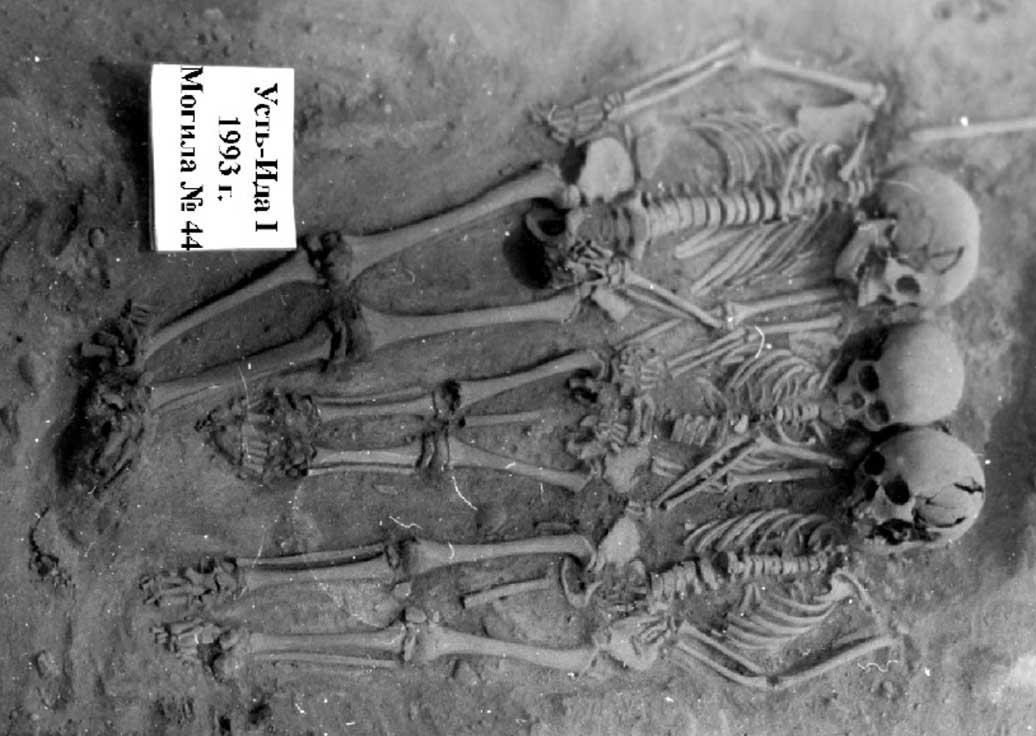
The evidence includes family connections among victims, including cases where siblings were buried together and where one burial held three related young girls. Ruairidh Macleod said, “It was a complete surprise that we discovered this really early evidence for large-scale lethal outbreaks of plague amongst these hunter-gatherer communities at this point in time,” as the findings were published in Nature.
Two Outbreaks, Family Spread
The research team identified evidence for two separate outbreaks, with one occurring between about 5,596 and 5,341 years ago and the second taking place between roughly 5,126 and 4,926 years ago. Investigators said wild marmots were the likely source of the disease, and archaeological evidence shows hunter-gatherers in the Lake Baikal region interacted closely with these large rodents. The disease was likely pneumonic plague, a form of infection that affects the lungs and spreads through respiratory droplets, and the ancient strains lacked genetic features linked to flea-borne transmission.
AP reported that scientists found remnants of plague DNA in teeth from 18 ancient hunter-gatherers and that the team found the prehistoric plague developed in stages and infected several small families. AP also quoted Ruairidh Macleod saying, “People were around to bury the dead who knew who these people were when they were alive.”
Virulence and Evolution
The ancient Siberian strains carried a unique genetic feature known as a superantigen, and researchers said superantigens trigger an extreme immune response that causes severe inflammation throughout the body. The study’s genetic findings were described as challenging long-held ideas about when large disease outbreaks first appeared, because the early strains were found in hunter-gatherers thousands of years before medieval outbreaks. The Guardian reported that the strains were identified in DNA samples from hunter-gatherers buried in cemeteries in southeastern Siberia, and it said a second outbreak likely occurred between 400 and 600 years later.
New Scientist said the team found Yersinia pestis in 18 of 42 hunter-gatherers found buried in four sites around Lake Baikal, and it described the evidence as “clear evidence for a really devastating outbreak of plague that’s affecting an entire community of hunter-gatherers at Baikal.” New Scientist also quoted Ruairidh Macleod saying, “What we see here is clear evidence for a really devastating outbreak of plague that’s affecting an entire community of hunter-gatherers at Baikal, and that flies in the face of that.”