Britain22 July, 20263 min read
Andy Burnham Caps Single Bus Fares Across England At £2 From January 2027
This article is an automated aggregation of coverage from news outlets. Our editorials offer in-depth analysis curated by the NewsCord team.
Single bus fares in England outside London capped at £2 from 1 January 2027. Policy will cost more than £500 million to implement.

BBC was read line by line by the Watchdog: 4.0. See the score →
£2 cap announced
UK Prime Minister Andy Burnham announced that single bus fares across England, outside London, will be capped at £2 from 1 January until 31 December 2027, replacing the existing £3 cap.
Burnham said the policy was necessary because “For too long people have said that cheaper transport isn’t an option. I don’t accept that. I’ve done it before and I will do it again now: a £2 cap on bus fares for millions across the country.”
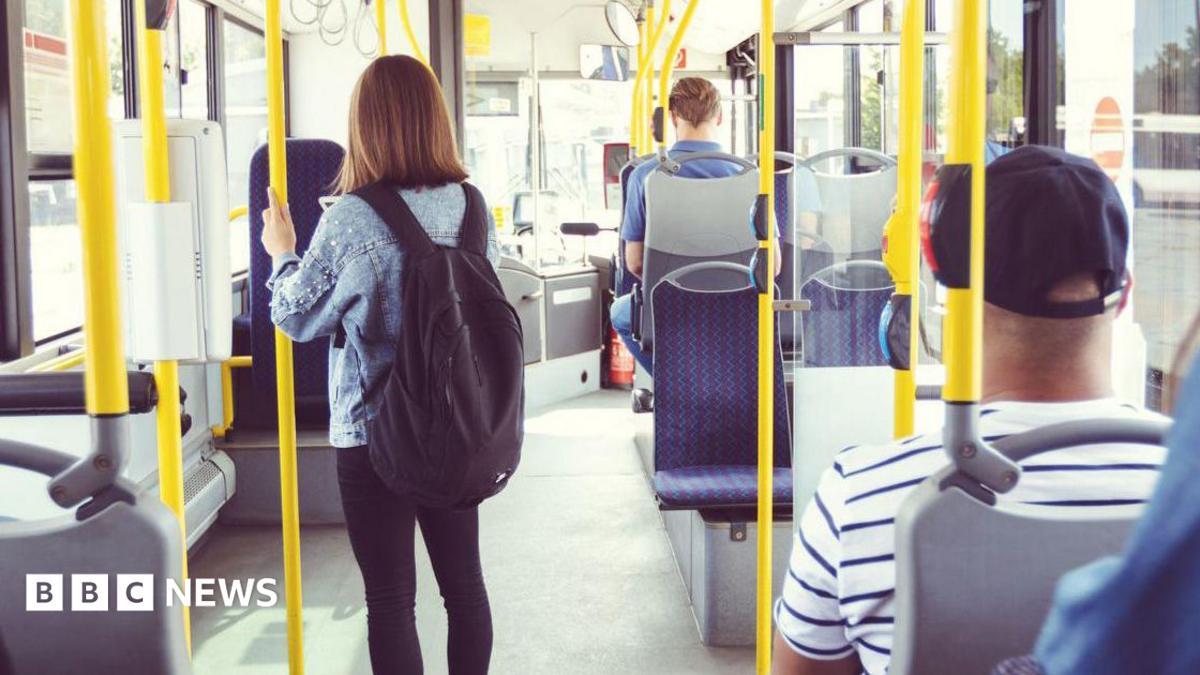
The Independent said the new prime minister announced on Wednesday that he would slash the price of a single bus ticket from January 1 until the end of 2027 by a third.
The GOV.UK statement said the scheme “will replace the existing £3 fare cap” and that eligible single bus fares on participating services will cost no more than £2.
GOV.UK also said the measure is backed by “£400 million of extra government funding” and is intended to help passengers making longer distance journeys, including those in rural and coastal communities.
Funding and disputes
The Independent reported that some £400 million of the £454 million of funding put aside for the measure will come from switching investment in international climate finance to loans, with the rest from savings in the Department for Energy Security and Net Zero budget. Conservative shadow chancellor Sir Mel Stride accused the government of “not actually specifying where the money is going to come from”. GOV.UK said the action to ease the cost of living is being funded by savings from reprioritising the Department for Energy Security and Net Zero’s budget, including by switching funding for international climate from grants to loans.
The Guardian reported that transport secretary Heidi Alexander told BBC Breakfast the bus fare cap scheme was fully funded, saying “There is £454m of reprioritising money, it’s switch spending,”. The Guardian also reported a dispute over how the government would pay for other cost-of-living steps, with Alexander saying the Office for Budget Responsibility estimated implementing the digital ID programme would cost £1.8bn.
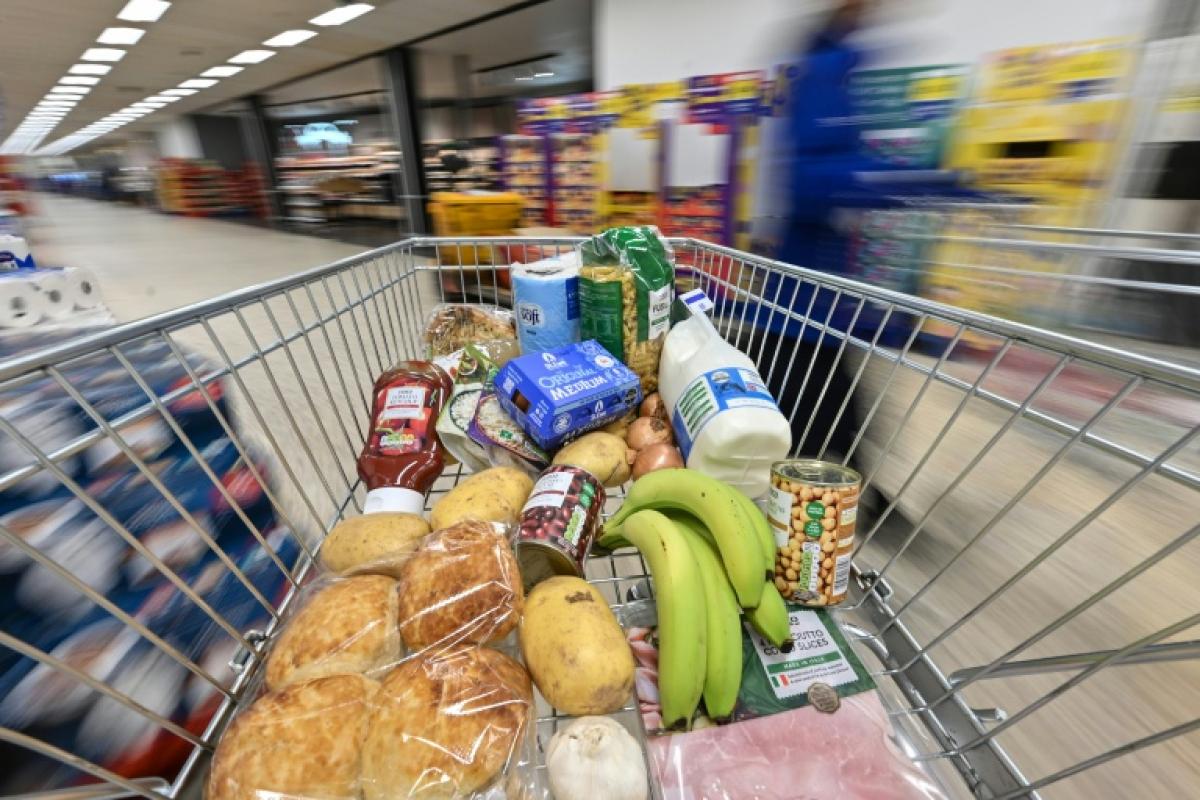
Broader cost-of-living push
The bus fare cap announcement came alongside other measures in Burnham’s first week, including the government’s plan to cut VAT on domestic electricity bills from October, which the Guardian said would reduce them by an average of £45 a year. The Guardian reported that Trades Union Congress general secretary Paul Nowak welcomed the measures but called for Burnham to tax profits made by banks and introduce a “social tariff” to boost living standards. RTTNews said Minister of State for Rail Lord Hendy of Richmond Hill told the House that the cap would mean “millions of passengers could save up to a third off a single journey”.
GOV.UK said the government has committed more than £3 billion for buses over the next 3 years, alongside reforms through the Bus Services Act 2025 that give local transport authorities greater powers and flexibility. The Guardian said the initiative applies across all of England except London and that it reverses an increase put in place by Keir Starmer and Rachel Reeves in 2024, while also noting that the same cap was in place between January 2023 and December 2024.