Britain20 July, 20263 min read
Andy Burnham Leads Cost Of Living Government After VAT Cut On Electricity Bills
This article is an automated aggregation of coverage from news outlets. Our editorials offer in-depth analysis curated by the NewsCord team.
VAT removed on electricity bills from October 1, saving about £45 annually. Burnham to lead a cost-of-living government, prioritizing living costs in cabinet's first meeting.

BBC was read line by line by the Watchdog: 2.8. See the score →
VAT cut and funding row
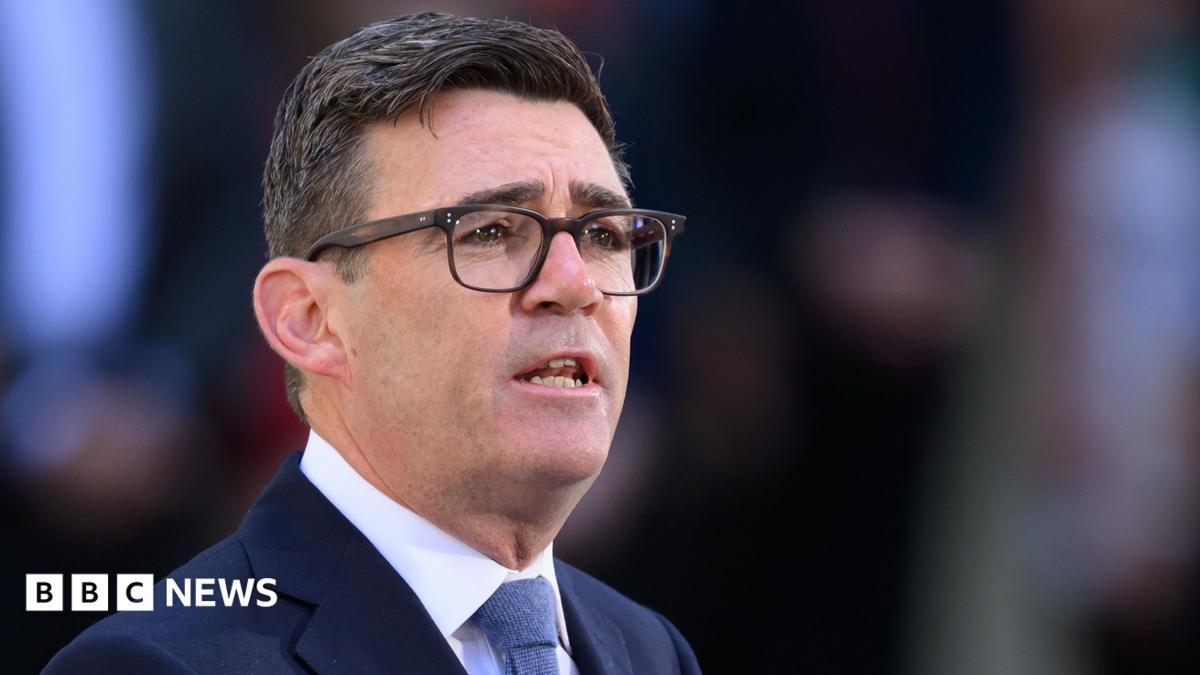
Andy Burnham, Britain’s new Prime Minister, told his first cabinet meeting he would lead a "cost of living government" after announcing a VAT cut on household electricity bills from October. The policy is set to remove VAT on electricity bills from 1 October and is expected to save households around £45 per annum, with the government saying energy suppliers are expected to pass the VAT reduction on to customers. But the plan to pay for the cut by scrapping Sir Keir Starmer’s digital ID scheme sparked an early row, with Darren Jones saying the digital ID scheme had been "unfunded".
Downing Street said the estimated £850m cost of the VAT cut over the rest of the financial year could come from £1.8bn earmarked by the previous government for digital ID, while the BBC reported the budget watchdog had previously said the money to fund digital ID was due to be found from within existing budgets. Opposition parties seized on the dispute, with Conservative shadow chancellor Sir Mel Stride saying, "We are only one day in and already Labour are playing fast and loose with the public finances."
Cabinet reshuffle and climate
Burnham’s first days in office also brought a reshuffle that removed Starmer loyalists including Rachel Reeves and David Lammy, with Ed Miliband promoted to foreign secretary and John Healey named chancellor. The BBC said Burnham opened the first meeting of his new cabinet after appointing his top team on Monday, and it reported that Miatta Fahnbulleh denied he had led a purge of Starmer supporters, telling BBC Newsnight "no one has a right" to be in the cabinet. In parallel, LBC quoted former Trump adviser Stephen Moore warning Burnham and Donald Trump were on course for a "rocky relationship" and describing the Labour leader as "as far as you can be from the Donald Trump of England."
Moore also urged ministers to expand oil and gas production in the North Sea instead of restricting new drilling, saying, "Britain should do what the United States has done: drill, drill, drill." The LBC report tied the climate tension to Burnham’s appointment of long-time net zero advocate Ed Miliband as Foreign Secretary, with Moore saying, "Almost every major bank and financial institution has discarded net zero."
Energy bills, markets, and next steps
Channel 4’s FactCheck said Burnham promised to scrap VAT on electricity bills to save the average household £45 from October, but it calculated that the average bill would have risen by £94 anyway between October 2025 and October 2026. FactCheck said the increase would be driven by the rise in wholesale gas prices, which it said had been pushed up by the conflict in the Middle East, and it concluded that even with the VAT cut, it expected the average home to pay £49 more on energy from this October than it would have done last year. France 24 reported that the VAT cut was meant to reassure the markets ahead of Burnham’s first cabinet meeting, and it said the new prime minister said it would be funded by scrapping his predecessor’s digital ID scheme.
The BBC reported that the VAT cut would reduce VAT on household electricity from 5% to zero in England, Wales and Scotland, while it would not apply in Northern Ireland due to post-Brexit rules, with ministers at Stormont instead offered extra money from the Treasury to use on cost of living measures. As the funding dispute continued, the BBC said the PM’s spokesman insisted the policy would be funded by redirecting "savings" identified by departments to cover the cost of the ID scheme, while Burnham told ministers they would need to be prepared to reprioritise budgets ahead of his first Budget.