
Full story
Burnham sets Trump tone
Britain’s new Prime Minister Andy Burnham told the BBC he would be prepared to call out U.S. President Donald Trump to defend Britain’s "national interest before anything else" if it was the right thing to do.
“- Published Andy Burnham says he would be prepared to call out Donald Trump to defend Britain's "national interest before anything else" if it is the right thing to do, in his first major interview as prime minister”
Burnham said he had had a good first exchange with Trump and found him to be "really warm," while refusing to say twice whether he would trust the U.S. president, answering "it's a changing world isn't it, and you just obviously have to call things as they develop".
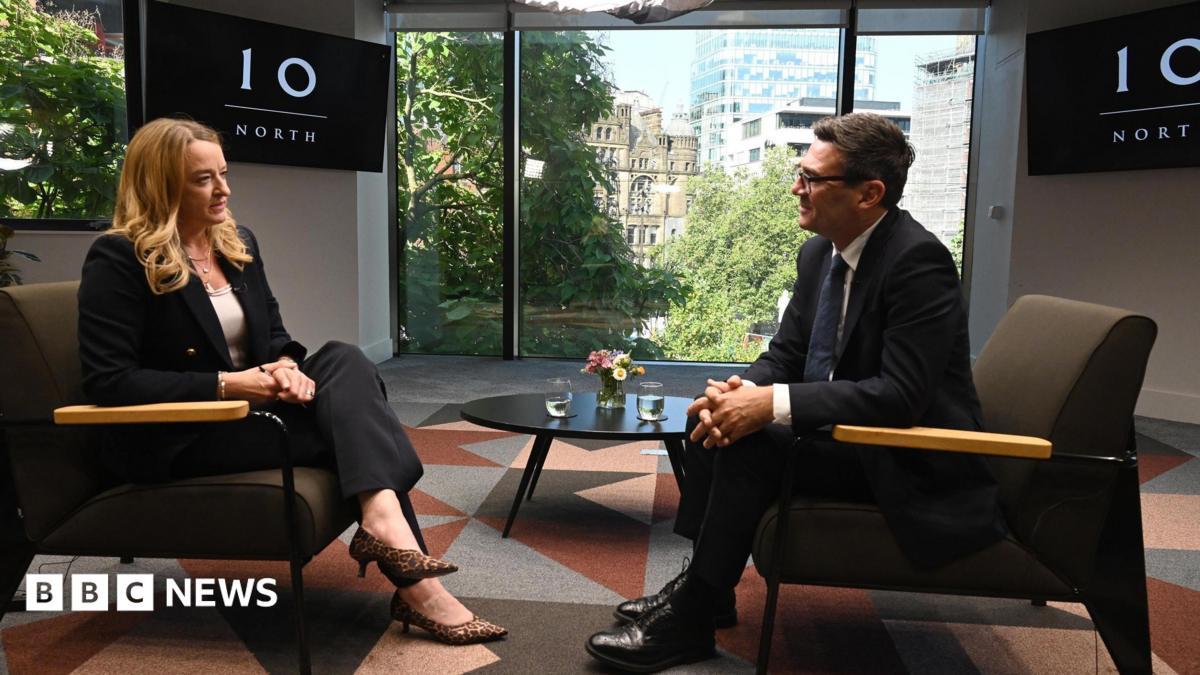
In the same BBC interview, Burnham said he "can't at any point say that I won't take a different opinion from him, that I will need to voice a different idea that is right for Britain."
He also said he had "concern" about Trump starting the conflict with Iran and that he "wouldn't hold back from saying what I think is right," as he set the tone for trans-Atlantic ties after taking office.
Burnham declined to commit to a date for spending 3% of GDP on defence, saying "We've got to work out the way of doing that" as his chancellor John Healey had resigned over a 2030 commitment.
Opposition reaction and trust
Responding to Burnham’s comments, Shadow Home Secretary Chris Philp said, "Clearly, the US is a long standing ally. We need to have good relations with them but if they do something we disagree with, we should honestly say so."
Burnham had twice declined to answer whether he would trust Trump, but he told the BBC, "I can't at any point say that I won't take a different opinion from him, that I will need to voice a different idea that is right for Britain."

The BBC reported that Burnham explicitly dismissed the idea of an early general election before 2029, saying, "I'm going to rule it out... I don't think people want it."
Philp said the Conservatives were ready to fight an election whenever it happens, telling the BBC, "It pretty clear to me we are back in business and that the polls suggest that we are pretty much neck and neck with other parties".
In the same BBC account, Burnham said his focus was on "getting the country back where it should be" as he framed his approach to both foreign policy and domestic politics.
Defence funding and next moves
On defence spending, the BBC said Burnham would not commit to a date for reaching 3% of GDP, while his chancellor John Healey had resigned from the previous government saying that unless a commitment was made to spend that amount by 2030, the country would not be safe.
Burnham told the BBC, "I appointed my new chancellor very aware of what he had said about the critical importance of defence spending and the position that he had taken about that," and added, "The first challenge facing us both is to ensure that the defence investment plan is fully funded".
He said the government needed to work through the plan "as we go towards the budget later this year," linking the immediate fiscal task to his broader defence posture.
The BBC also reported that Burnham said he would not hold back on Iran-related views, stating he "wouldn't hold back from saying what I think is right" after saying he had "concern" about Trump starting the conflict with Iran.
In the same interview, Burnham reiterated his approach to the U.S. relationship as conditional on events, saying he would "call things as they develop" rather than pre-committing on trust or alignment.


