Yemen17 July, 20262 min read
Ansar Allah Mandates Abdul-Malik Al-Houthi To Break Saudi Siege In Sanaa Within 48 Hours
This article is an automated aggregation of coverage from news outlets. Our editorials offer in-depth analysis curated by the NewsCord team.
Houthis threaten to target all Saudi oil facilities if escalation continues. Rallies in Sanaa demand breaking the blockade on Sanaa airport.
Sanaa rallies, Riyadh ultimatum
In Sanaa, organizers of the 'Friday of Warning and Mobilization' marches said participants joined unprecedented million-strong demonstrations protesting the ongoing siege on Yemen and announced mobilization to confront the U.S.-Israeli-British move and its Saudi instrument. The statement said it gave an absolute mandate to Abdul-Malik al-Houthi of the Ansar Allah movement to take whatever decisions are necessary to break the siege, open all of Yemen's airports and ports, and recover the nation's resources.
Separately, Africtelegraph said Ansar Allah issued a formal notice to Saudi Arabia demanding the lifting of the blockade imposed on Sanaa International Airport within 48 hours. Africtelegraph added that the message promised a symmetrical measure targeting the international airport of the Saudi capital if Riyadh did not act within that timeframe.
Threats: oil and airports
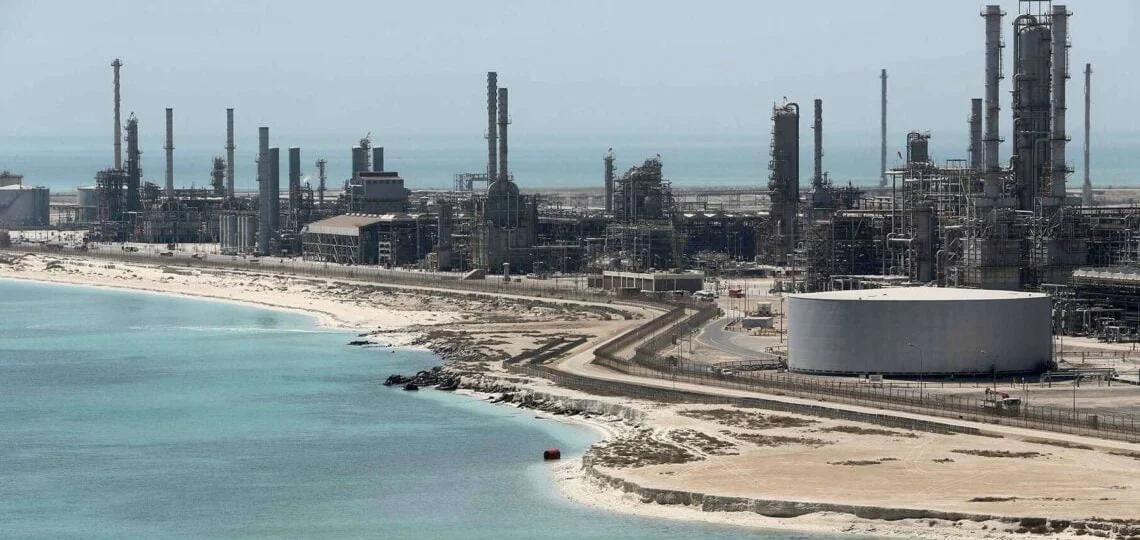
After strikes on Sanaa airport and the subsequent strikes on Abha airport, Abdel Malik al-Houthi warned that 'all Saudi oil facilities' are direct targets in retaliation for the escalation between Riyadh and the Yemeni insurgency. In a televised address, he accused Saudi Arabia of being 'fully involved' in the aggression against Yemen and warned the kingdom would face 'all repercussions and consequences' of this intervention.
tv5monde reported that on July 16 Abdel Malik al-Houthi warned he would strike Saudi oil facilities and threatened Riyadh airport with "the equation is airport for airport, port for port, blockade for blockade,". Connaissance des Énergies quoted the same retaliatory logic as 'airport for airport, port for port, blockade for blockade,' and said the threat broadened to Saudi air transport after the attack on Sanaa airport.

Escalation risks and airspace
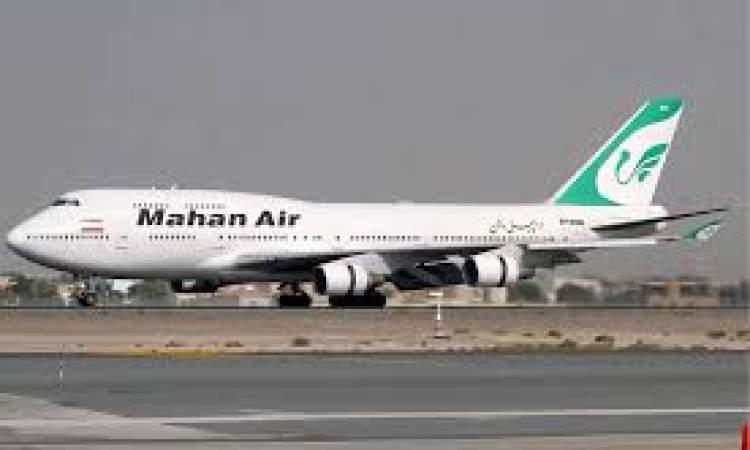
tv5monde said the Yemeni government sought to prevent the landing of an Iranian plane carrying a Houthi delegation returning from Tehran, where it had attended last week the funeral of former Supreme Leader Ali Khamenei, killed on the first day of the war in the Middle East, on February 28. Connaissance des Énergies added that Yemeni airspace remains under coalition control, requiring airlines to obtain authorization before any landing, while it said direct flights organized between Iran and Sanaa by the Houthis challenged that arrangement.
Connaissance des Énergies also stated that the UN-brokered ceasefire began on April 2, 2022, was extended twice and then formally expired on October 2, 2022, according to the Office of the UN Special Envoy for Yemen. In Sanaa, Al Jazeera said thousands of Houthi supporters rallied against what they described as the Saudi-led blockade against Yemen, coming just days after the Houthis blamed Saudi Arabia for the Sanaa airport strike and retaliated with missiles targeting Abha International Airport.