Full story
Sanaa Airport Strike
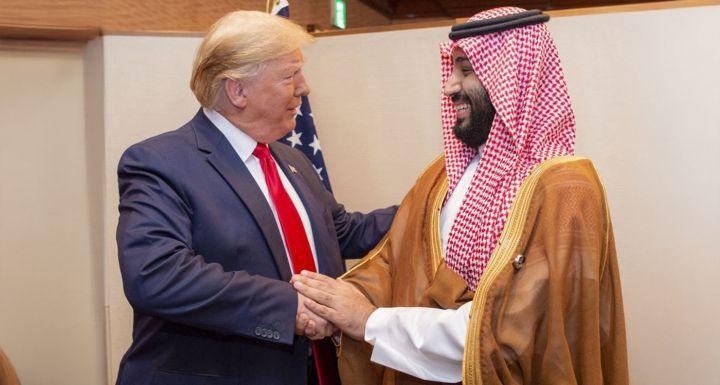
Saudi Arabia urged the United States to intensify its attacks against Iran as the kingdom weighed whether to engage directly, with a Saudi intelligence source confirming that Crown Prince Mohammed bin Salman urged Donald Trump not to prematurely end his war against Iran.
“By Julian Borger and Aram Roston Saudi Arabia has urged the United States to intensify its attacks against Iran, a source from Saudi intelligence confirmed, as the country weighs the decision to engage directly in the conflict”
In Yemen, the escalation centered on Saudi strikes on Sanaa airport on Monday, after an aircraft operated by Iran’s Mahan Air landed in the Houthi-controlled capital of Sanaa to transport a delegation of Houthi leaders to Iran for the funeral of former Supreme Leader Ali Khamenei.

Axios reported that Trump gave Saudi Crown Prince Mohammed bin Salman his backing for military action against the Houthis, and that the Saudi strike on Sanaa airport and the subsequent Houthi missile response marked the most serious cross-border escalation between the sides since 2022.
After the Saudi strike, the aircraft was forced to divert and land in the Red Sea port city of Al Hudaydah, and the Houthis responded by launching ballistic missiles and drones toward Abha airport in southwestern Saudi Arabia.
France 24 said the hits were designed to prevent an Iranian plane, carrying a Houthis delegation, from landing, as clashes resumed in Yemen with Houthis rebels blaming Saudi Arabia and the country’s internationally recognised government for strikes on Sanaa Airport.
Quotes and Competing Frames
Two American officials cited by Axios told multiple outlets that Riyadh informed Washington in advance and sought Donald Trump’s support before ordering the strikes, with the decision described as the president giving the green light to Mohammed bin Salman for strikes against the Houthis.
Ici Beyrouth said the Saudi crown prince asked the American president for his support for a military operation against the Houthis and obtained it, and it linked the move to the Saudi strike on Sanaa airport on Monday followed by retaliatory missile fire by the Houthis.
France 24 framed the renewed fighting as Houthis rebels blaming Saudi Arabia and Yemen’s internationally recognised government for strikes on Sanaa Airport, while also describing the intended purpose as preventing an Iranian plane from landing.
The Telegraph reported that the strike on Monday damaged the runway and prevented an Iranian airliner from landing in the Yemeni capital, which it said is controlled by the Houthis, and it added that the airport bombing was claimed by the internationally recognised Yemeni government.
The Telegraph also quoted Yahya Saree, the Houthis’ military spokesman, saying the group had targeted the international airport in Abha, capital of Saudi Arabia’s mountainous southern region, and warned airliners against flying through Saudi airspace until the blockade on Sana’a International airport is lifted.
What’s at Risk Next
Multiple reports tied the Saudi-Houthi escalation to the risk of jeopardizing an informal ceasefire, with Caliber.Az saying the Saudi strike on Sanaa airport and the Houthi missile response raised concerns that an unofficial four-year truce could be nearing collapse.
Ici Beyrouth said resuming a military conflict between Saudi Arabia and the Houthis could jeopardize the informal ceasefire that has been in place for four years, and it warned that it could worsen regional tensions and further widen the confrontation between the United States and Iran.
The Telegraph described Yemen as effectively divided into two states, with the Houthi-controlled zone and the territory controlled by the Saudi-backed government with its seat in the southern city of Aden, and it said the potential re-establishment of an airbridge between the Islamic republic and its proxy in Yemen prompted alarm in parts of the Middle East.
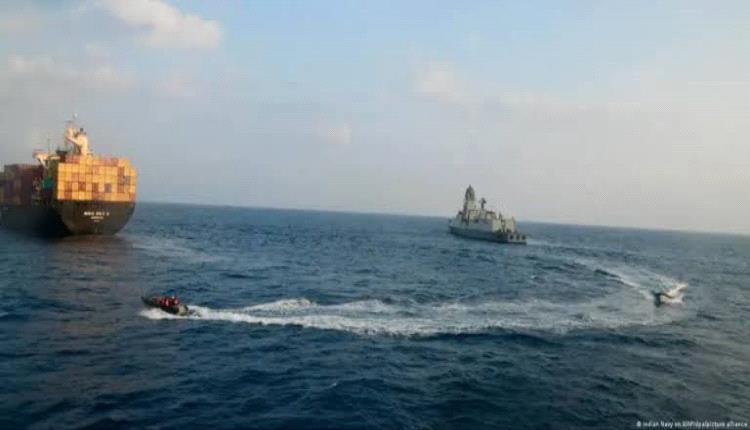
It also warned that Tehran has threatened to use the Houthis to impose a maritime blockade in the Red Sea, noting that vessels using the Suez Canal must pass through the relatively narrow Bab el-Mandeb between Djibouti and Yemen where they are vulnerable to land and sea-based Houthi attacks.
In the same reporting stream, the Houthis warned airlines against using Saudi airspace until restrictions on Sanaa airport are lifted, while the Telegraph said Saudi Arabia had not commented on the bombing of Sana’a airport and that a spokesman for the Saudi-led military coalition said the kingdom had intercepted missiles launched by the terrorist Houthi militia toward the southern region.