Full story
Sanaa Airport Hit
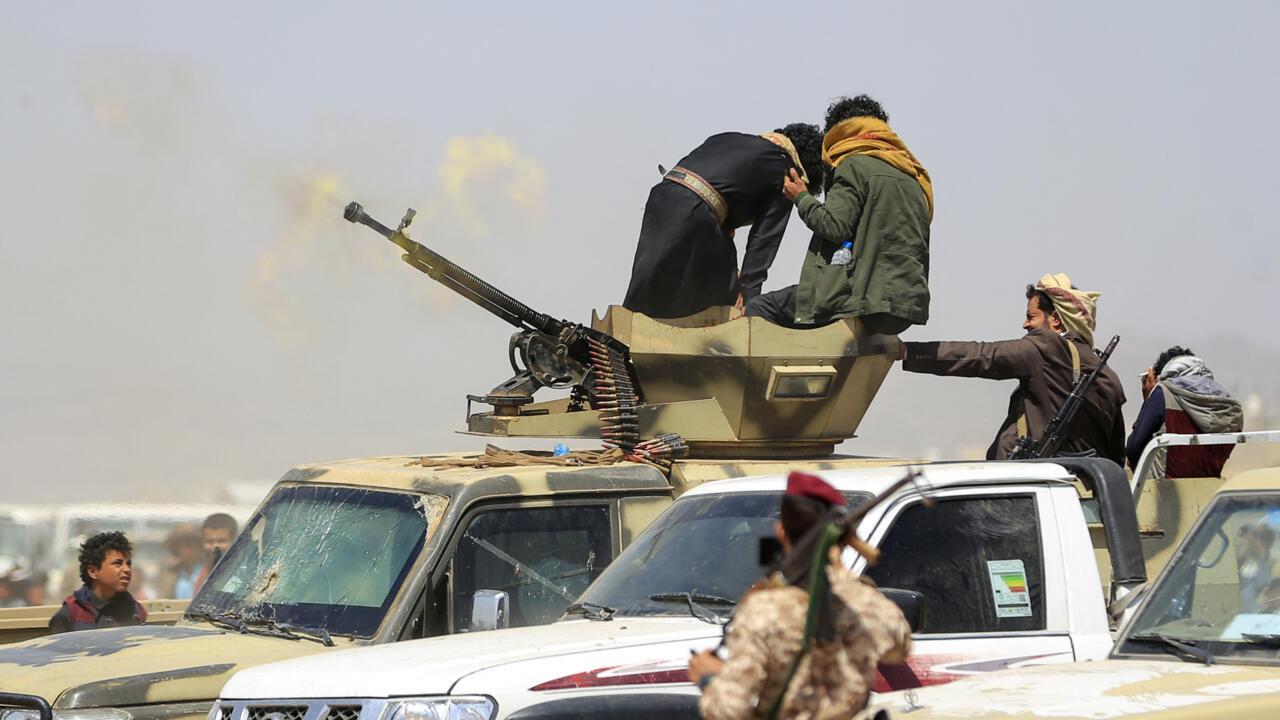
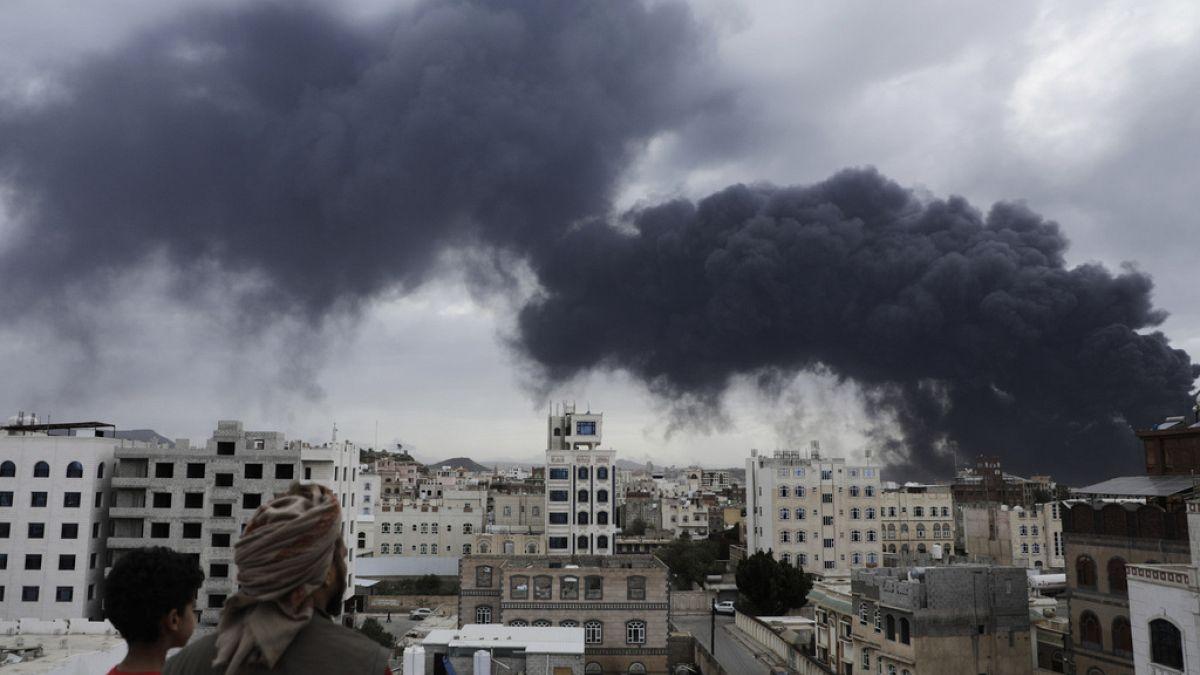
Yemeni government forces attacked Sanaa airport on Monday, bombing the runway to stop an Iranian aircraft from landing as Houthis fired ballistic missiles later in the day at Saudi Arabia, whose coalition backs the government.
“Yemeni government forces strike Sanaa airport Fears of a fresh outbreak of violence in Yemen are rising after the internationally recognised government attacked Sanaa airport to stop an Iranian aircraft from landing and Houthi rebels fired ballistic missiles”
The internationally recognised government said in a statement that "the airport runway was targeted," after it said the Houthi-aligned group prevented Yemeni national aircraft from landing at Sanaa airport and insisted the Iranian aircraft violate Yemeni airspace.

The Houthis later reported that the aircraft carrying a delegation back from Tehran had landed in Hodeidah, with Houthi broadcaster al-Masirah quoting the group’s transport minister saying "the Iranian plane has landed on the homeland’s soil" and carried medical patients and stranded citizens.
Houthi military spokesman Yahya Saree warned that "this aggression will not go unanswered or unpunished," while the Saudi-led coalition said on Monday evening it had intercepted ballistic missiles launched by the Iran-backed Houthis toward the southern region of the kingdom.
UN Special Envoy for Yemen Hans Grundberg warned of escalation, saying his office was urging parties to "de-escalate and refrain from any actions that would risk a new cycle of violence in Yemen."
Abha Strike and Warnings
After the Sanaa airport attack, the Houthis said they launched missiles and drones at Saudi Arabia’s Abha International Airport in retaliation, and Saudi air defenses intercepted the attack with no casualties reported.
Houthi military spokesman Brig. Gen. Yahya Saree warned airlines in a video statement on Telegram: "We warn all airlines against transiting through the airspace of the Kingdom of Saudi Arabia," and said the warnings should be taken seriously until the blockade on Sanaa International Airport is lifted.

The internationally recognised government said the strikes on Sanaa were meant to prevent an Iranian plane from landing, and Yemen’s defence minister Gen. Taher al-Aqili said the runway was struck to stop an Iranian aircraft transporting a Houthi delegation from returning from the funeral of Iran’s Supreme Leader Ayatollah Ali Khamenei.
In an emergency meeting of the UN Security Council, UN Assistant Secretary-General for political affairs Khaled Khiari told the 15-member council, "Yemen and the wider region cannot afford another cycle of escalation," and called for negotiations under UN auspices.
The Saudi-led coalition’s spokesperson Turki al-Malki said on X that air defenses dealt with ballistic missiles launched by the Houthis toward the southern region, while Saudi Arabian officials did not immediately respond to a request for comment about the airstrikes in Yemen.
Aviation, Ceasefire, and Risk
The escalation threatened to destabilize regional aviation and UN-mediated peace efforts, with the Houthis warning that commercial carriers should avoid Saudi airspace until restrictions on Sanaa International Airport are lifted.
The UN Security Council emergency meeting came as the Houthis vowed to retaliate for the strike on Sanaa airport, which the Houthis said marked the first major escalation between them and Saudi Arabia following a period of relative calm.
The internationally recognised government said all airports in Yemen were "closed until further notice, with immediate effect," and the defence ministry ordered the evacuation of Sanaa airport and surrounding areas.
Hans Grundberg said his office was monitoring Yemeni airspace developments and expressed concern about the risk of wider escalation, urging involved parties to engage in dialogue that preserves the "relative calm Yemen has experienced since 2022."
In the background of the air blockade dispute, the Houthis had previously warned that flights between Iran and Houthi territory would continue and threatened Saudi Arabia, while the Saudi-led coalition intervened in Yemen in 2015 after the Houthis seized Sanaa and ousted the government.