Full story
Sanaa Airport Strike
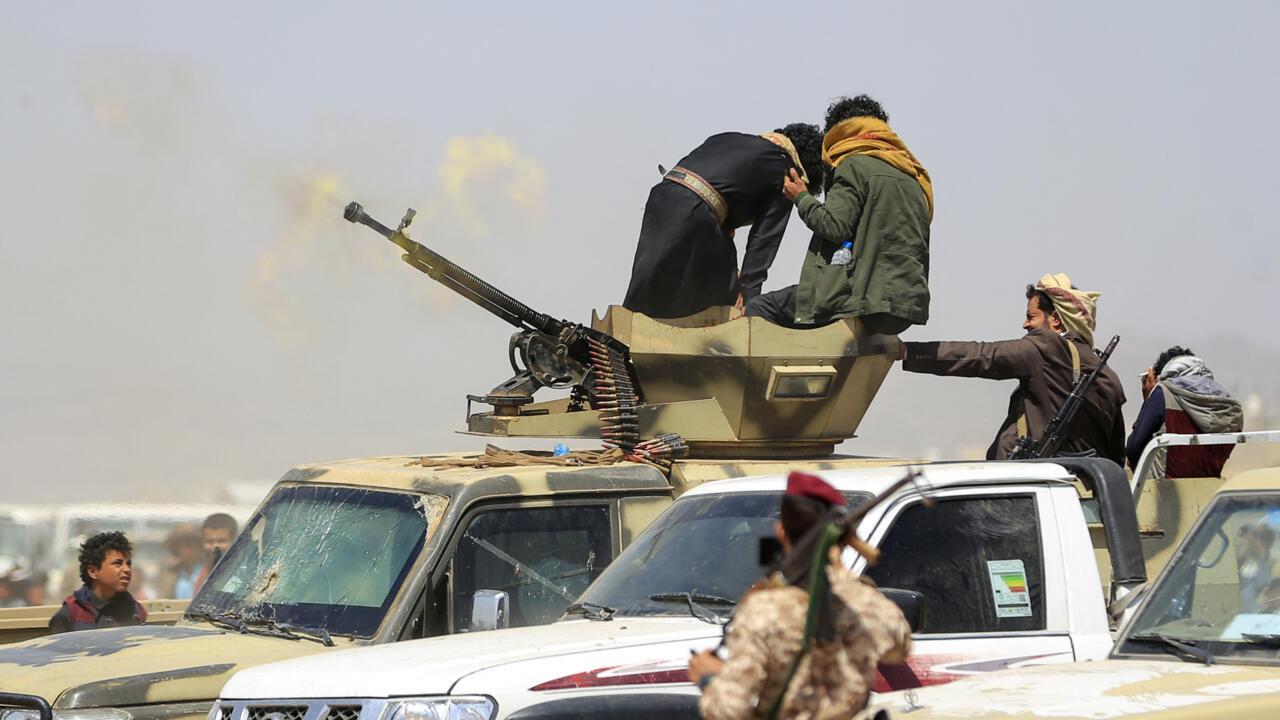
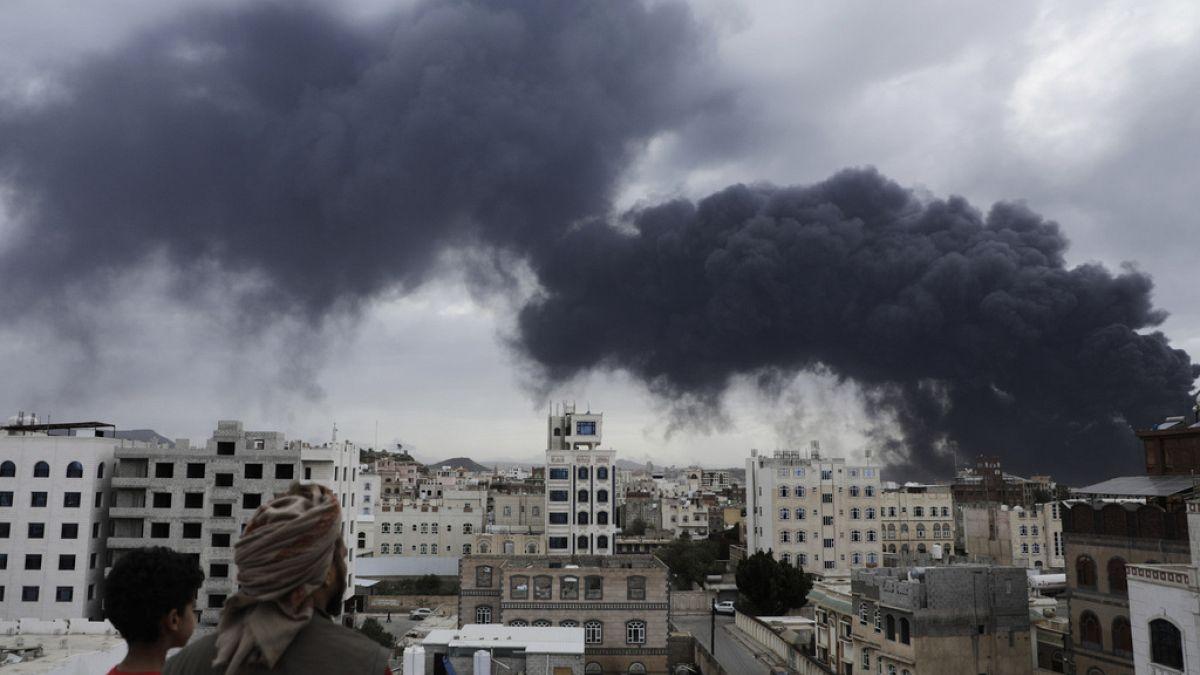
Saudi Arabia bombed Sana’a airport in Yemen on Monday, damaging the runway and preventing an Iranian airliner from landing in the Yemeni capital controlled by the Houthis, according to The Telegraph.
“By Julian Borger and Aram Roston Saudi Arabia has urged the United States to intensify its attacks against Iran, a source from Saudi intelligence confirmed, as the country weighs the decision to engage directly in the conflict”
The strike was claimed by Yemen’s internationally recognised government, which said it was designed to prevent an Iranian plane carrying a Houthis delegation from landing, while a Houthi spokesman accused Saudi Arabia of conducting the attack.
The Houthis later fired missiles towards southern Saudi Arabia, which the kingdom said it intercepted, and the incident broke a four-year truce between Riyadh and the Shia militia, after a decade-long war that killed approximately 377,000 people, according to United Nations estimates cited by The Telegraph.
In the same sequence, Axios reported that Trump gave Crown Prince Mohammed bin Salman of Saudi Arabia his support for the military action, and the Houthis responded by launching ballistic missiles and drones at Abha Airport after the Sana’a Airport strike.
The Telegraph also described an earlier July 3 tension point when an Iranian airliner landed at Sana’a despite reported warnings from Saudi warplanes not to, with the Houthis claiming it was to fly a delegation to Tehran for the funeral of Ali Khamenei.
Trump, MBS, and Retaliation
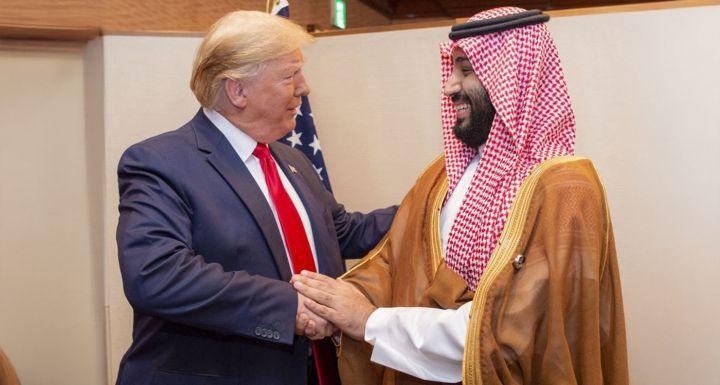
Axios, as cited by Türkiye Today, said U.S. President Donald Trump gave Saudi Crown Prince Mohammed bin Salman (MBS) his backing for a highly unusual military strike against the Iran-backed Houthis in Yemen.
Türkiye Today also quoted a U.S. official saying, "MBS asked Trump for his backing for military action against the Houthis and received it," tying the decision to Saudi concern that a broader conflict could require U.S. military and diplomatic support.
The escalation began about 10 days earlier when an aircraft operated by Iran’s Mahan Air landed in Houthi-controlled Sanaa to pick up a delegation of Houthi leaders traveling to the funeral of former Iranian Supreme Leader Ali Khamenei, according to Türkiye Today.
After the Iranian plane returned from Iran with the Houthi delegation, Saudi forces bombed Sanaa airport and forced the aircraft to divert and land in Al Hudaydah, and Türkiye Today reported that a U.S. official alleged the plane was carrying weapons, missile parts, and military experts for the Houthis.
In retaliation, the Houthis launched ballistic missiles and unmanned aerial vehicles at Abha International Airport, and Houthi military spokesman Yahya Saree warned that the attack would not go "unanswered or unpunished."
Regional Stakes and Airspace
The renewed fighting in Yemen threatened to destabilise the region by risking the collapse of the unofficial four-year truce, with Caliber.Az reporting that the Saudi strike on Sanaa airport and the subsequent Houthi missile response marked the most serious cross-border escalation between the sides since 2022.
Caliber.Az also said that, according to US officials, MBS informed Trump in advance and sought Washington’s backing, suggesting Riyadh was preparing for a larger conflict that could require both American military and diplomatic support.
France 24 said the hits were designed to prevent an Iranian plane, carrying a Houthis delegation, from landing, and it described the clashes as resuming in Yemen with Houthis rebels blaming Saudi Arabia and Yemen’s internationally recognised government for strikes on Sanaa Airport.
France 24 further framed the episode as a continuation of the broader Yemen confrontation, while Türkiye Today reported that Yemen’s Defense Ministry said its forces struck the airport runway after the Houthis blocked Yemeni flights from landing and allowed the Iranian plane to land "in violation of Yemeni territory."
Türkiye Today added that Yemen’s Presidential Leadership Council chairman Rashad al-Alimi said authorities would not allow any aircraft to violate the country’s airspace "whether it be Sanaa Airport or any other airport," and that he had instructed that the confrontation not be expanded to avoid Tehran dragging Yemen and its people into wars that serve its interests in the regional conflict.