Artemis II Astronauts Prepare For Lunar Flyby, Set Distance Record
Key Takeaways
- Artemis II carries four astronauts en route for a lunar flyby.
- The crew crossed the halfway point between Earth and the Moon.
- Lunar flyby is scheduled for April 6, 2026.
Flyby Preparation
The Artemis II crew is preparing for a historic six-hour lunar flyby scheduled for April 6.
“NASA has released the first images taken from inside the Artemis II Orion spacecraft, where four astronauts are currently travelling on a mission around the moon”
The Orion spacecraft was approximately 169,000 miles from Earth and 110,700 miles from the Moon.

Glover conducted a manual piloting demonstration—the first beyond low Earth orbit.
Orion will fly approximately 4,066 miles from the lunar surface at closest approach.
The astronauts will observe geological features to inform scientific understanding.
Lunar Observations
NASA has incorporated science focused on lunar observations into the primarily test mission.
A science evaluation team has been finalizing an observation plan to uplink to the crew.
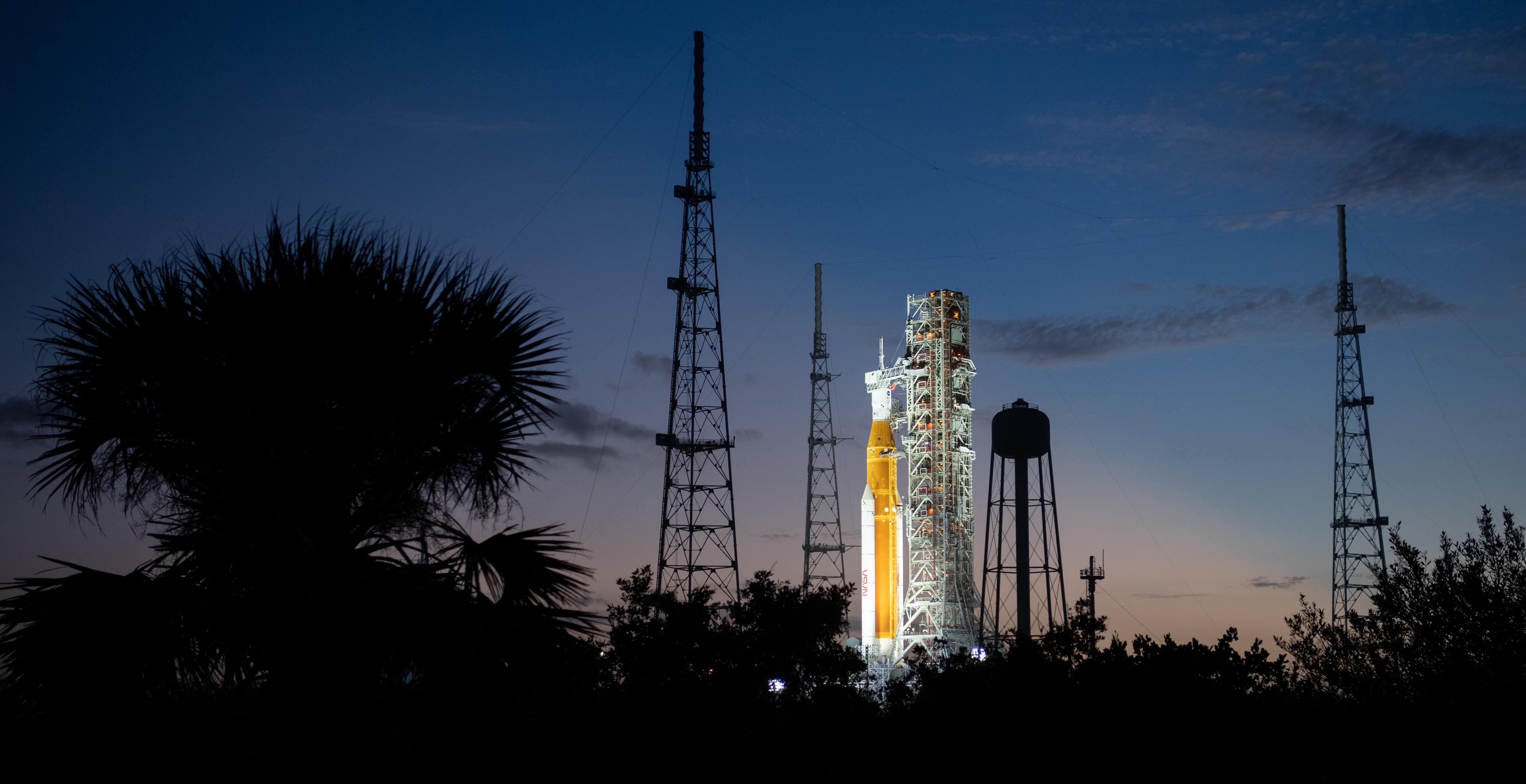
Kelsey Young emphasized the value of human observation, citing Apollo 17's orange soil discovery.
The crew will witness a solar eclipse from space, analyzing the Sun's corona.
Human eyes remain an irreplaceable scientific tool.
Distance Record
The astronauts crossed the halfway point to the moon at about 161,700 miles from Earth.
“NASA has begun the countdown for the grand return of its astronauts to orbit around the Moon”
The flyby will set a new distance record, surpassing Apollo 13's mark.
The mission remains a test of Orion and the SLS rocket.
Morale aboard the capsule remains high.
Mission Context
Artemis II is NASA's critical test to ensure Orion can safely carry humans beyond low Earth orbit.
The mission will validate life-support systems, navigation, communications, and reentry technologies.
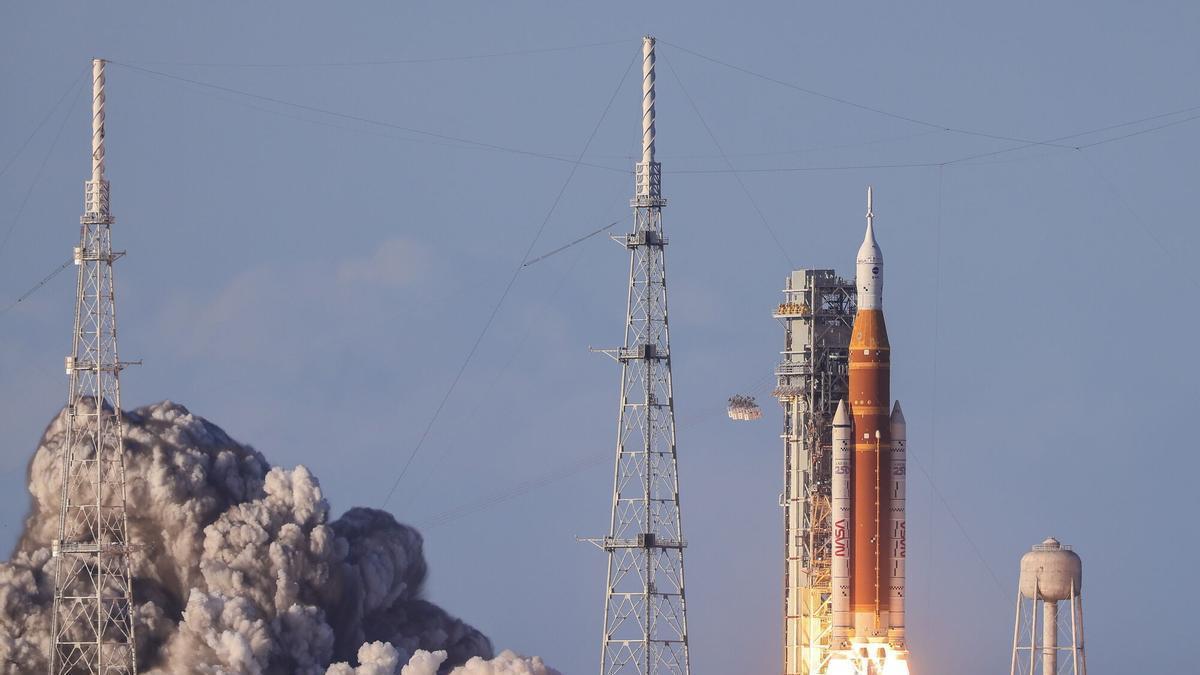
No landing is planned, but success is essential before returning astronauts to the surface.
The crew will return to Earth on April 10.
This mission rekindles human presence in cislunar space after 54 years.
More on Technology and Science

Typhoon Bavi Kills At Least 15 in Philippines as It Threatens Taiwan and Japan
19 sources compared
Wildfire Kills At Least 12 Near Los Gallardos, Leaving 23 Missing In Andalusia
41 sources compared

OpenAI Sunsets ChatGPT Atlas Browser, Pivots to ChatGPT Desktop App With ChatGPT Work
13 sources compared

FTC And Five States Reach 10-Year Right-To-Repair Settlement With Deere & Company
10 sources compared