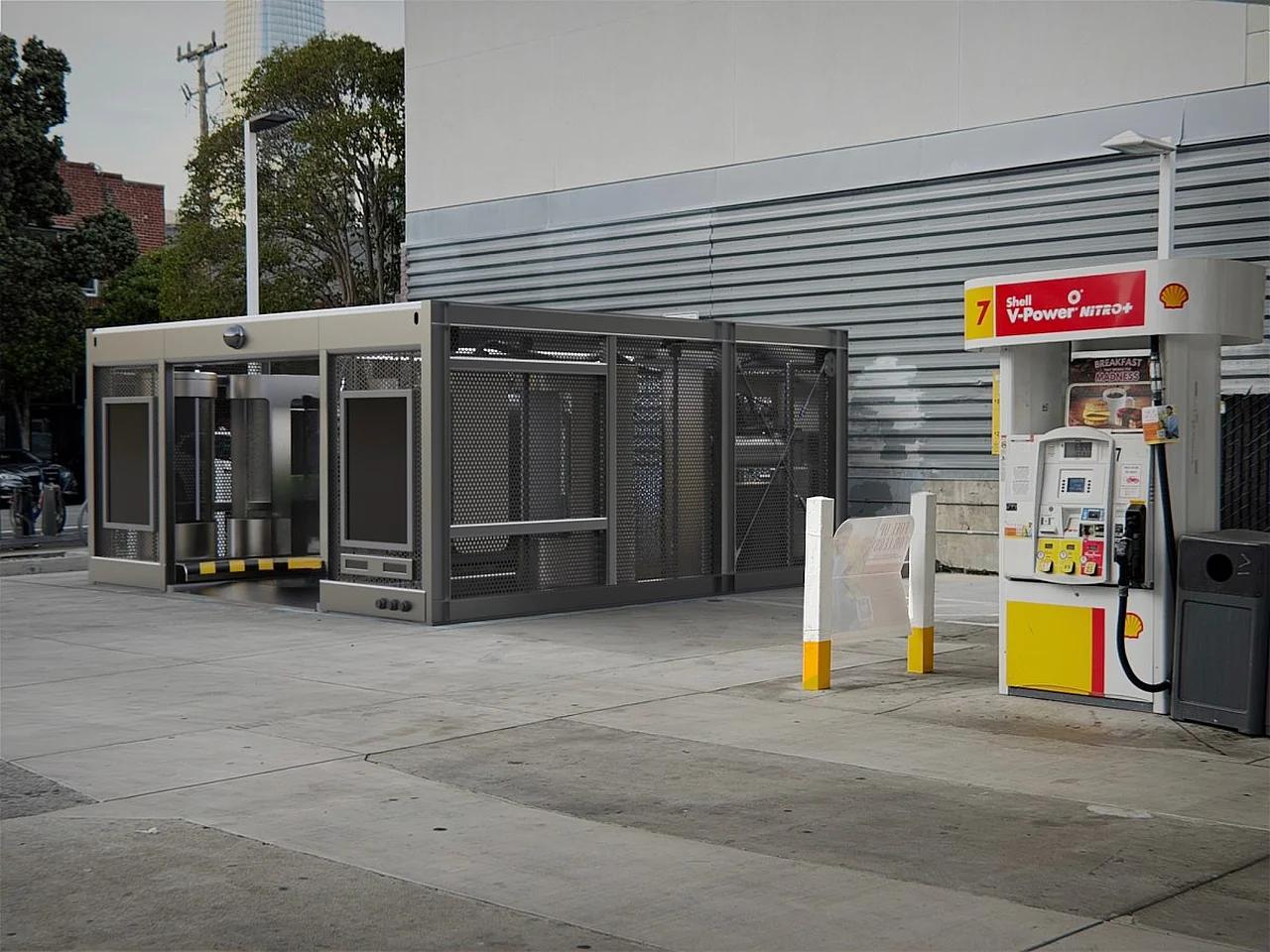
Aseon Labs Raises $10M For Robotic Pit Stops To Clean And Charge Robotaxis
Key Takeaways
- Aseon Labs raised $10 million to build robotic pit stops for robotaxis.
- Deadhead miles undermine robotaxi economics.
- Mobile pit-stop pods service charging and cleaning.
Deadhead Miles, New Fix
Redwood City, California-based Aseon Labs says robotaxis are burning money by driving “deadhead miles,” or miles “without a paying passenger,” to reach depots for charging and cleaning.
“A Waymo pulls up spotless, smelling vaguely of nothing — but that car just drove twenty empty miles from a warehouse on the city’s edge to reach you”
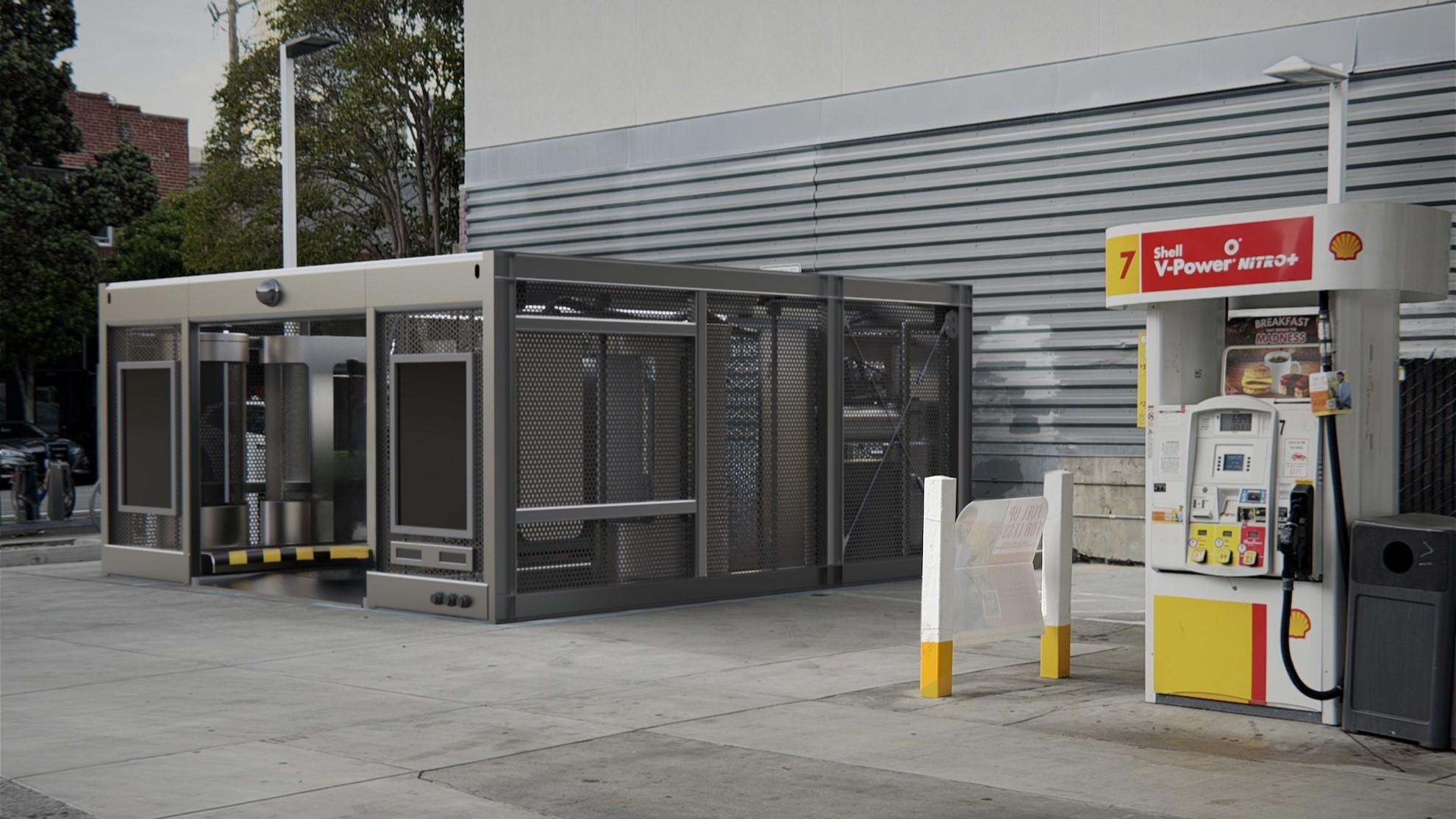
The startup’s answer is parking space-sized automated pods it calls “robotic pit stops,” designed to be scattered throughout cities to inspect, clean, and charge robotaxis.
TechCrunch reports Aseon Labs raised $10 million in a seed round led by Crane Venture Partners, with Y Combinator and Expa (Uber co-founder Garrett Camp’s venture firm) also participating.
Aseon’s CEO George Kalligeros told TechCrunch that “you need the robotaxi in continuous operation during the entirety of the demand curve of the day,” linking the pod network to higher utilization and profitability.
TechCrunch also describes how Aseon’s pod concept grew out of visits to AV depots, where fleets are inspected, maintained, cleaned, and charged, while real estate costs push those facilities outside city centers.
How the Pods Work
TechCrunch says the pods include cameras to inspect vehicles and robotic arms to retrieve lost items and clean interiors, and it describes them as “temporary structures” that can be moved if a location underperforms.
The company’s approach to autonomy, TechCrunch reports, uses vision-language-action models so the robotic arms can decide when not to act, such as standing down if a camera detects melted chocolate on a backseat.

Instead of attempting to clean in that scenario, TechCrunch says the vehicle is charged and dispatched directly to the company’s central depot for a human to handle.
Aseon Labs also positions the units as independently powered, with TechCrunch describing power via a propane generator or other mobile sources, or through connections to existing power sources via partnerships with EV charging companies.
In the same framing, mezha.net says the pods are designed for autonomous operation, while the initial phase will be partially staffed.
Investors, Contracts, and Stakes
Aseon’s seed round drew investors and operators including angel investors such as serial entrepreneur and former Google executive Adrian Aoun, Mercury founder and CEO Immad Akhund, and Zimride co-founder Rajat Suri, TechCrunch reports.
“Take a stroll around San Francisco and it won’t take long to spot an empty autonomous vehicle cruising the city’s streets, waiting to be hailed by a rider or heading off to a distant depot to be charged and cleaned”
TechCrunch also says the seed funds will be used to build five prototypes of these pods, grow its six-person robotics and engineering team to about a dozen, and secure the real estate needed to build out its network.
Even with investor interest, TechCrunch reports Aseon Labs hasn’t signed contracts with any robotaxi companies yet, but Kalligeros said “Pretty much everyone wants to try it.”
The stakes are framed as a barrier to profitability: TechCrunch calls deadhead miles “one of the biggest barriers between robotaxi companies and profitability,” while mezha.net links the dead mileage to reduced profitability for robotaxi operators.
In parallel, TechCrunch describes the operational backbone of autonomy as “not fully baked” in current depot infrastructure, with Aseon arguing that distributed pods could help new city launches for AV operators.
More on Technology and Science

The New York Times Sues Microsoft And OpenAI Over ChatGPT Copyright Infringement
20 sources compared
OpenAI Limits GPT-5.6 Rollout After U.S. Government Request For Trusted Partners
15 sources compared

Paris Judicial Court Orders TotalEnergies To Revise Vigilance Plan Including Scope 3 Emissions
17 sources compared

China’s LineShine Tops TOP500, Surpassing U.S. El Capitan at ISC 2026 in Hamburgo
15 sources compared