USA31 May, 20262 min read
AUKUS Partners US, UK, and Australia Develop Underwater Drones To Protect Seabed Cables
This article is an automated aggregation of coverage from news outlets. Our editorials offer in-depth analysis curated by the NewsCord team.
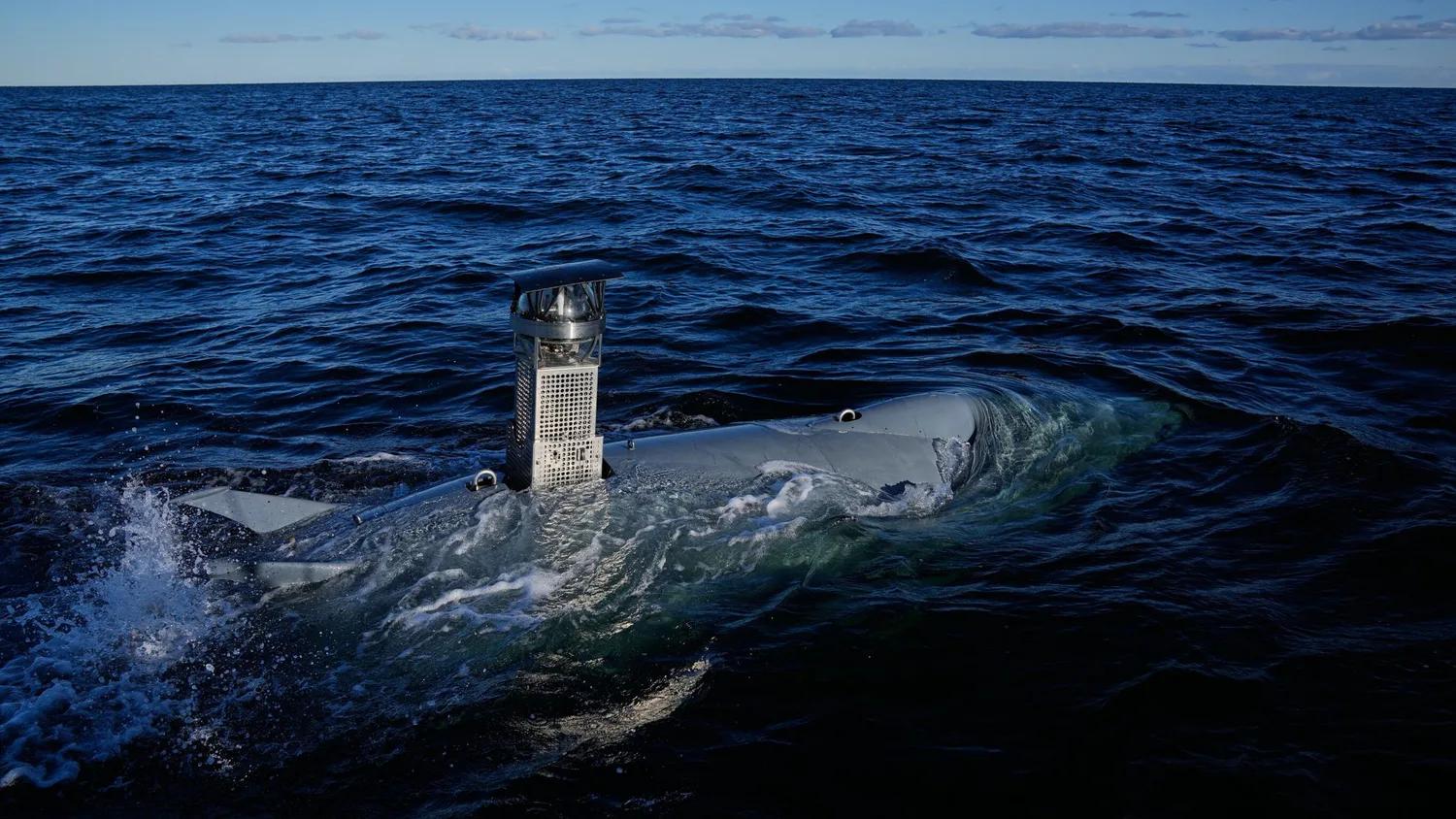
US, UK, and Australia will develop unmanned underwater vehicles under AUKUS. The drones aim to protect undersea cables and pipelines critical to global networks.
AUKUS Undersea Drone Plan
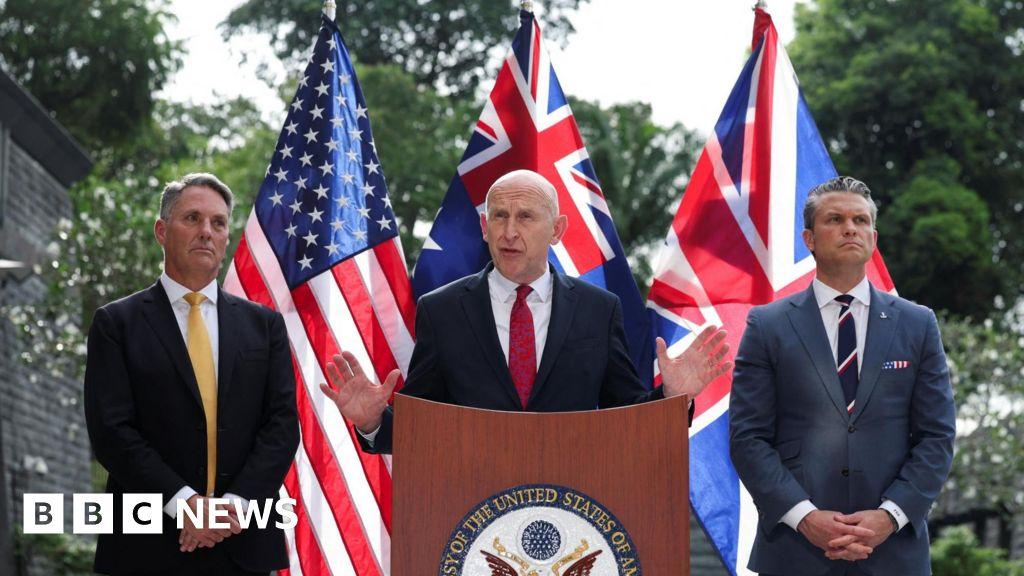
The United States, the United Kingdom, and Australia announced a joint development of unmanned underwater vehicles (UUVs) under the AUKUS defense partnership to protect undersea cables and pipelines, with the project presented during the Shangri-La Dialogue conference in Singapore. In Singapore, UK Defence Secretary John Healey said the planned technology would help respond to threats to undersea cables and pipelines, while US Defense Secretary Pete Hegseth described the program as involving multi-purpose payloads for unmanned underwater vehicles.
“The uncrewed undersea vehicle (UUV) technology is expected to be ready by next year.”
The BBC said the uncrewed undersea vehicle (UUV) technology is expected to be ready by next year, and it reported that the announcement was made by the countries’ defence ministers at a security summit in Singapore. The CNN account framed the effort as action to protect seabed cables, quoting Marles calling the “seabed is a battlefield” in Singapore and linking the plan to deliveries due next year.
Warnings, Quotes, and Disputes
Australia’s Defence Minister Richard Marles warned that the seabed was becoming a battlefield, saying “The shadow fleet is becoming a weapon,” and he tied the warning to attacks on subsea critical infrastructure over the past 18 months. In the same Singapore setting, Marles said “Over the past 18 months, we have witnessed a series of attacks against subsea critical infrastructure at a scale and frequency that is historically unprecedented,” and the Guardian reported he urged Beijing to be more transparent about maritime operations.
The Guardian also reported that Marles cited five cases of cables being cut in the Taiwan Strait in the past 18 months, attributed to China, and three in the Baltic Sea, alleged to have been committed by Russia. The BBC added that on Saturday the three defence ministers did not respond to a question from the BBC on whether the UUV technology project was aimed at countering Russian and Chinese undersea activities, and it said they also did not answer a question on whether progress on AUKUS projects was too slow.
What Comes Next for AUKUS
The AUKUS underwater drone plan is described as the first signature project under Pillar Two, with a joint statement saying it would develop “cutting edge payloads and enabling systems” for UUVs that could protect seabed infrastructure, conduct strikes, and conduct surveillance, reconnaissance and logistics operations. The BBC reported that UK Defence Secretary John Healey said sensors and weapons systems would be developed for the UUVs, which would “rapidly give our forces advanced battle technologies,” and it said the effort would help deal with threats “including to our underwater cables and pipelines on which so much of our daily life depends”.
The CNN account said the programme would improve reconnaissance and strike capabilities and “bolster superiority in anti-submarine and anti-surface warfare,” while also describing mine countermeasures as part of the AUKUS plan. The stakes were also framed in terms of global connectivity, with CNN quoting Marles calling undersea internet cables “the arteries of modern civilization” and saying they were being cut at an unprecedented rate, leaving island nations like Australia “acutely vulnerable.”