Masoud Pezeshkian Warns U.S. and Israel Over Naval Blockade Threats in Persian Gulf
Key Takeaways
- Pezeshkian framed Persian Gulf Day as Iran's resistance symbol against colonialists.
- Gulf tied to Iran's national identity and resistance against colonialists.
- Pezeshkian communicated his stance in official Persian Gulf Day messages.
Pezeshkian’s Gulf Day message
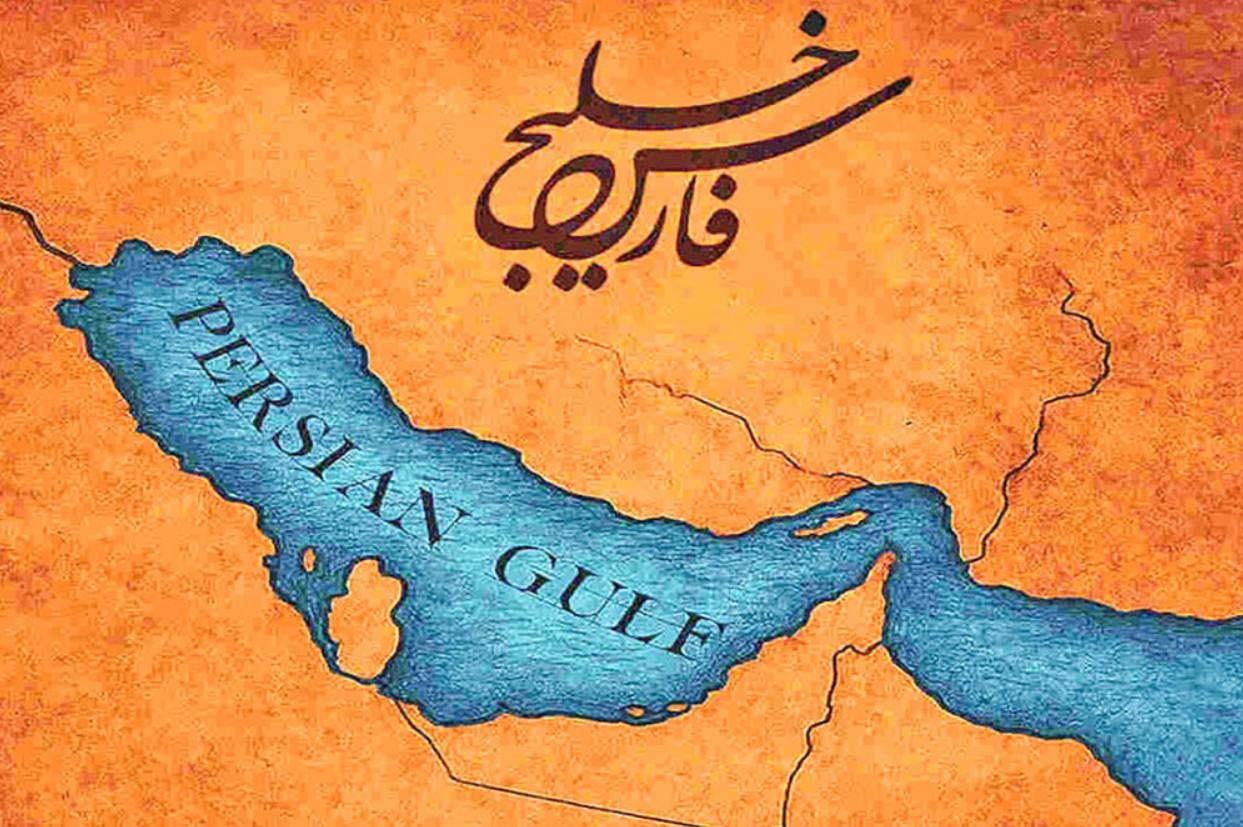
Iranian President Masoud Pezeshkian used National Day of the Persian Gulf to frame the waterway as “an integral and inseparable part of the national identity of Iranians and a symbol of the resilience of the great Iranian nation against colonialists,” in a message carried by Mehr News Agency.
Pezeshkian said the day is “a valuable opportunity to reemphasize the historical truth that this strategic waterway is an integral and inseparable part of the national identity of Iranians,” and he cast the Persian Gulf as “a symbol of the resilience of the great Iranian nation against colonialists.”

In the same message, he linked the Strait of Hormuz to “the developments resulting from the war of aggression imposed by the United States and Israel against Iran,” and he described the Strait’s “increasing importance” in “the world’s security and energy equations.”
Pezeshkian also warned that the “strategy of a naval blockade and creating restrictions on Iran’s maritime trade contrary to international law” would shift responsibility for “any insecurity in the Persian Gulf” onto “the United States and the Zionist regime.”
He said Iran adheres to “the principles of freedom of navigation,” while arguing that “sustainable security of this water area depends on the collective cooperation of coastal countries and withdrawal of foreigners from the region.”
Pars Today likewise attributed a Pezeshkian message to National Persian Gulf Day, quoting him saying, “National Persian Gulf Day is a valuable opportunity to revisit this historical truth that this waterway is an inseparable part of Iranians' national identity and a symbol of the great Iranian nation's resistance against old and new colonialists.”
Khamenei: a Gulf without America
Iran’s Supreme Leader Ayatollah Mojtaba Khamenei used Persian Gulf Day to assert that the region’s future would be “without America,” describing it as part of a broader geopolitical shift.
In a message carried by Open Magazine, Khamenei said, “By God's grace and power, the bright future of the Persian Gulf region will be a future without America and in the service of the progress, comfort, and prosperity of its peoples.”

He added that “We share a ‘fate’ with our neighbours in the waters of the Persian Gulf and the Sea of Oman,” and he said “the foreigners who greedily commit evil in it from thousands of kilometers away have no place in it except in the depths of its waters.”
Open Magazine also tied the anniversary to a historic moment in 1622, when Iranian forces under Abbas I expelled Portuguese colonial forces from Hormuz Island, describing it as ending “decades of foreign dominance in the Gulf” and remaining “a symbol of sovereignty in Iranian political messaging.”
Devdiscourse similarly reported Khamenei’s claim that “the future of the Persian Gulf will be devoid of American influence,” and it quoted him saying, “By God's grace, the bright future of the Persian Gulf will be free from America, empowering the region's progress and prosperity.”
The Express Tribune, citing Iran’s Press TV, said Khamenei wrote that “a new chapter for the Gulf and Strait of Hormuz is being written” since the war on Iran by the United States and Israel broke out on February 28.
Resistance narrative and capabilities
Across multiple outlets, Khamenei’s Persian Gulf Day remarks were paired with a resistance narrative that emphasized Iran’s defense and scientific capacities.
Open Magazine reported that Khamenei said, “Today, the miraculous awakening of the Iranian nation is not limited to the tens of millions who sacrificed their lives in the fight against Zionism and the bloodthirsty America,” and it added that “ninety million zealous and noble Iranian compatriots inside and outside the country” would treat “identity, spirituality, humanity, science, industry, and basic and new technologies - from nano and bio to nuclear and missile” as “their national capital.”
The Economic Times, describing a written statement read aloud on Iranian state television, quoted Khamenei saying that “Ninety million proud and honorable Iranians inside and outside the country regard all of Iran’s identity-based, spiritual, human, scientific, industrial and technological capacities—from nanotechnology and biotechnology to nuclear and missile capabilities—as national assets, and will protect them just as they protect the country’s waters, land and airspace.”
The Economic Times also said Khamenei vowed to protect “nuclear, missile capabilities” as “Trump pushes deal,” and it reported that he described a “new chapter” or “new phase” taking shape in “the Persian Gulf region and the strategically critical Strait of Hormuz” after conflict involving Iran, the United States and Israel.
Palestine Chronicle likewise framed Khamenei’s message as a declaration that the future of the Persian Gulf would be shaped “without American influence,” while presenting Iran as a “central guarantor of regional security and stability.”
In that account, Khamenei said, “There is no place for foreign intruders except the bottom of the Gulf,” and it described his praise for “both the regular navy and the naval branch of the Islamic Revolutionary Guard Corps.”
IRGC: collective security, no outsiders
The IRGC’s own Persian Gulf Day messaging emphasized collective security and argued that stability requires Gulf-state participation rather than foreign intervention.
In a statement carried by قناة العالم, the IRGC said the National Day of the Persian Gulf “expresses the historical and cultural identity of the Iranian people,” and it described the Persian Gulf as “a cradle of civilizational exchange and a center for the growth of cultures and the enhancement of cooperation among peoples across the ages.”

The IRGC also stated that “this sensitive waterway represents a lifeline for the region's economy and energy,” and that “its security, as stated by the Islamic Republic of Iran in its policy, is achieved through collective deliberation and the active participation of the Gulf states, regardless of the presence of hegemonic powers.”
In the same account, the IRGC said American policies “have become a threat to the region's public security and its peoples,” and it asserted that “a strong Iran will remain a trusted pillar for preserving the security and stability of the region.”
Mehr News Agency reported a Thursday briefing in which the IRGC said the Persian Gulf’s security “finds its meaning through contemplation, collective reasoning, and the active participation of the Gulf region’s states, without the presence of outsiders and hegemonic or tyrannical powers.”
The IRGC further stated that it would not hesitate to strive to enhance capabilities for “managing and controlling the Hormuz Strait,” and it described a future where the Persian Gulf becomes “a ground for cooperation, knowledge, trade, and sustainable peace among peoples.”
A wider diplomatic backdrop
While Iranian leaders framed Persian Gulf Day around sovereignty and resistance, at least one report placed the messaging within a broader diplomatic backdrop involving other regional seas and calls for de-escalation.
The Express Tribune included a separate item in which Russia’s Foreign Minister Sergey Lavrov said the prolonged US-Israeli conflict with Iran has had a “negative impact” on the Caspian Sea and its coastline.

Lavrov told a press conference after talks with Kazakh Foreign Minister Yermek Kosherbayev in Astana that “The Caspian Sea must remain a zone of peace and cooperation,” and the report said he described a strike on Iran's port city of Bandar Anzali last month as unacceptable.
The Express Tribune also said Lavrov noted the seaport serves the “trade and logistics interests” of all five Caspian states, and it quoted Lavrov saying he and Kosherbayev spoke “in favour of a speedy resolution of the crisis in the Persian Gulf region and the Middle East as a whole, moving towards achieving political agreements between all parties involved.”
In parallel, Open Magazine’s account of Khamenei’s remarks described heightened tensions between Iran and United States over influence in the Gulf and control of maritime routes, and it contrasted Iran’s view that “regional security should be managed by countries bordering the Gulf” with the United States’ view that its presence ensures stability and “freedom of navigation.”
The Economic Times similarly described the Strait of Hormuz as “a focal point of geopolitical concern” and said the latest comments came “at a time of heightened volatility in West Asia,” with diplomatic efforts over Iran’s nuclear programme running alongside escalating political and military tensions.
More on Iran
Ayatollah Mojtaba Khamenei Vows Iran Will Protect Nuclear And Missile Capabilities
10 sources compared

Pentagon Tells House Armed Services Iran War Costs $25 Billion So Far
10 sources compared
Brad Cooper Briefs Donald Trump on New U.S. Military Options Against Iran Thursday
15 sources compared

UN Rights Chief Volker Türk Says Iran Executed At Least 21, Detained Over 4,000
22 sources compared