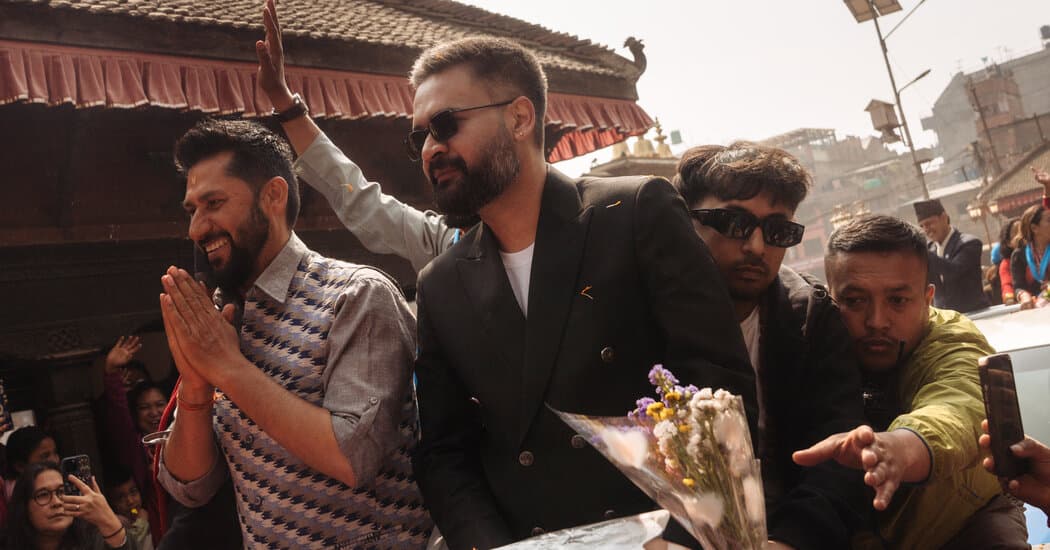
Balendra Shah Wins Landslide, Topples Established Order, Will Become Nepal's Youngest Prime Minister
Key Takeaways
- Rastriya Swatantra Party won a landslide, securing about a two-thirds majority in the lower house
- 35-year-old Balendra Shah, a rapper-turned-politician, led the RSP and is expected prime minister
- Election reflected a youth-driven generational revolt demanding political change
Victory and premiership
Balendra Shah, popularly known as Balen, has won a landslide victory with the Rastriya Swatantra Party and is poised to become Nepal’s youngest prime minister.
“Even on the roof of the world, it’s 'a tsunami,' announces The Rising Nepal”
The New York Times reported that “He is now on the brink of becoming Nepal’s youngest-ever prime minister after his party scored a landslide victory inelectionslast week,” describing the R.S.P. as receiving “the largest mandate in Nepal’s modern electoral history, winning a significant majority of 275 parliamentary seats, according to official results released on Tuesday.”

Devdiscourse likewise framed the result as a landmark upset: “Balen becomes the expected new prime minister, underscoring public demand for change.”
El Mundo described official tallies as showing a broad rout: “According to official results, his party is heading toward a landslide victory, having won 122 of the 165 directly elected seats in last Thursday's general election.”
Background and persona
Shah’s personal story and public persona drove his appeal to younger voters.
The New York Times described him as a multi‑faceted figure: “In his 35 years, Balendra Shah has been a rapper, a mayor, an engineer and an unswerving fan of rectangular sunglasses.”

El Mundo traced his rise from the music scene—“In 2013 he burst onto the Nepali music scene after winning a popular rap battle called Raw Barz”—and noted he transitioned into politics by winning Kathmandu’s mayoralty in 2022.
Devdiscourse emphasized his cultural-populist image, calling him “a rapper-turned-politician” whose leadership symbolizes “a break from the old guard.”
Gen Z uprising context
The election followed a Generation‑Z driven uprising and broad public anger that ruptured Nepal’s political order.
“On the dusty streets of Kathmandu, where electrical wires hang like vines over centuries-old temples, rap has become a form of political protest”
The New York Times linked the vote to a Gen Z-led revolt, saying “Thevotewas the first since aGen Z-led uprisinglast year overthrew a government that many Nepalis viewed as corrupt and out of touch.”
El Mundo provided specifics on the unrest, reporting that “In September 2025 a wave of protests, largely led by students and Generation Z youth, shook Nepal” and that “The demonstrations left at least 77 dead and government buildings burned, and they forced the resignation of then–prime minister KP Sharma Oli.”
Devdiscourse framed the election as the electoral expression of that generational shift: “the election reflects a significant generational shift in the country's political landscape.”
Seat counts and contradictions
The scale and specifics of the victory are reported differently across outlets, and sources highlight both the rout of established parties and Balen’s defeat of senior figures.
Devdiscourse emphasized shock defeats for legacy leaders and that “Balen's win in Jhapa-5 against four-time Prime Minister K P Sharma Oli epitomizes the shift in voter sentiment towards younger leadership.”
EL MUNDO noted similarly that Shah was “defeating former leader Oli at the ballot box” while giving a numeric account—“having won 122 of the 165 directly elected seats.”
The New York Times described the mandate in broader parliamentary terms—“winning a significant majority of 275 parliamentary seats, according to official results released on Tuesday”—so the sources differ on seat breakdowns (122 of 165 directly elected seats vs a majority of 275 parliamentary seats vs “over two-thirds of the directly elected seats” in Devdiscourse’ wording).
Criticism and uncertainty
Observers and critics offered both celebration and skepticism about Shah’s readiness to govern and his political style.
“Even on the roof of the world, it’s 'a tsunami,' announces The Rising Nepal”
EL MUNDO reported that “His detractors call him a populist and question whether a rapper is prepared to govern a country,” while also noting his combative rhetoric—“He has publicly insulted traditional parties, criticized India, China and the United States.”
The New York Times captured his personal magnetism and how voters rallied to him: “Many Nepalis did not cast their ballots last Thursday for a party; they voted for Balen, as Mr. Shah is popularly known.”
Devdiscourse framed the win as driven by public demand for change and stability, saying the result “symboliz[es] a break from the old guard and a rising generational demand for change and good governance in the Himalayan nation.”
More on Asia
Iran Strikes Italian Military Base in Erbil, Forcing Troops Into Bunkers
28 sources compared
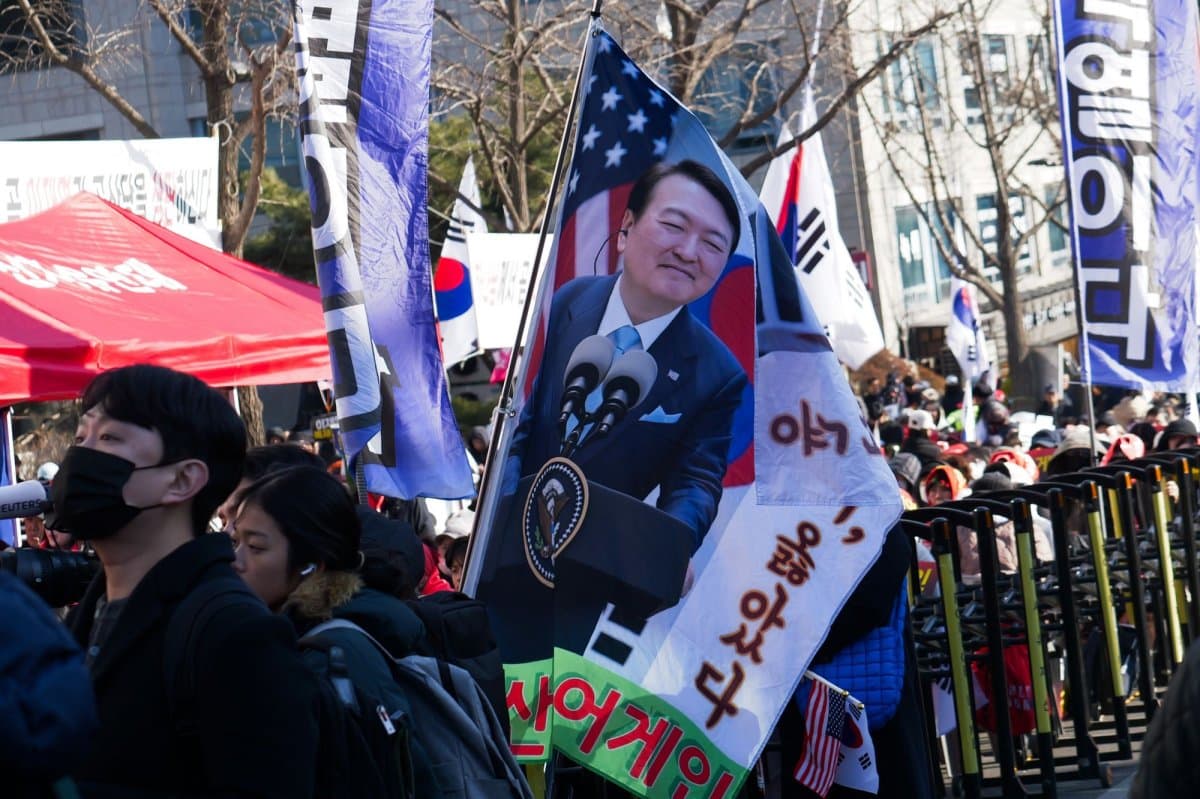
Former South Korean president Yoon Suk-yeol appeals life sentence for leading insurrection
14 sources compared
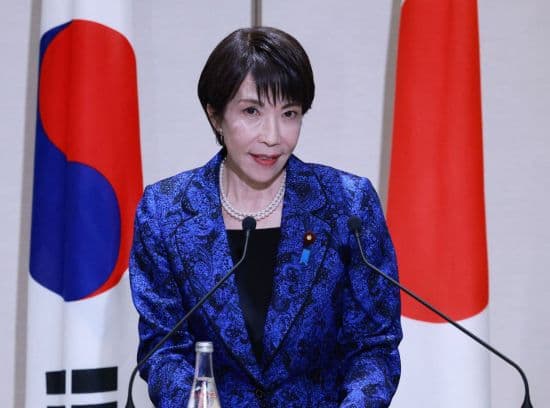
Diet Re-elects Sanae Takaichi as Prime Minister of Japan After LDP Landslide
14 sources compared

Former South Korean President Yoon Suk Yeol Apologizes After Life Sentence for Declaring Martial Law and Masterminding Insurrection
145 sources compared