Syria30 April, 20268 min read
Bashar Al-Assad Regime Fall Spurs Questions Over Sednaya Prison Leaked Surveillance Footage Timing
This article is an automated aggregation of coverage from news outlets. Our editorials offer in-depth analysis curated by the NewsCord team.
Leaked Saydnaya Prison surveillance footage circulates online, showing interior corridors and waiting areas. Footage linked to days before regime fell, sparking questions about timing and who released it.
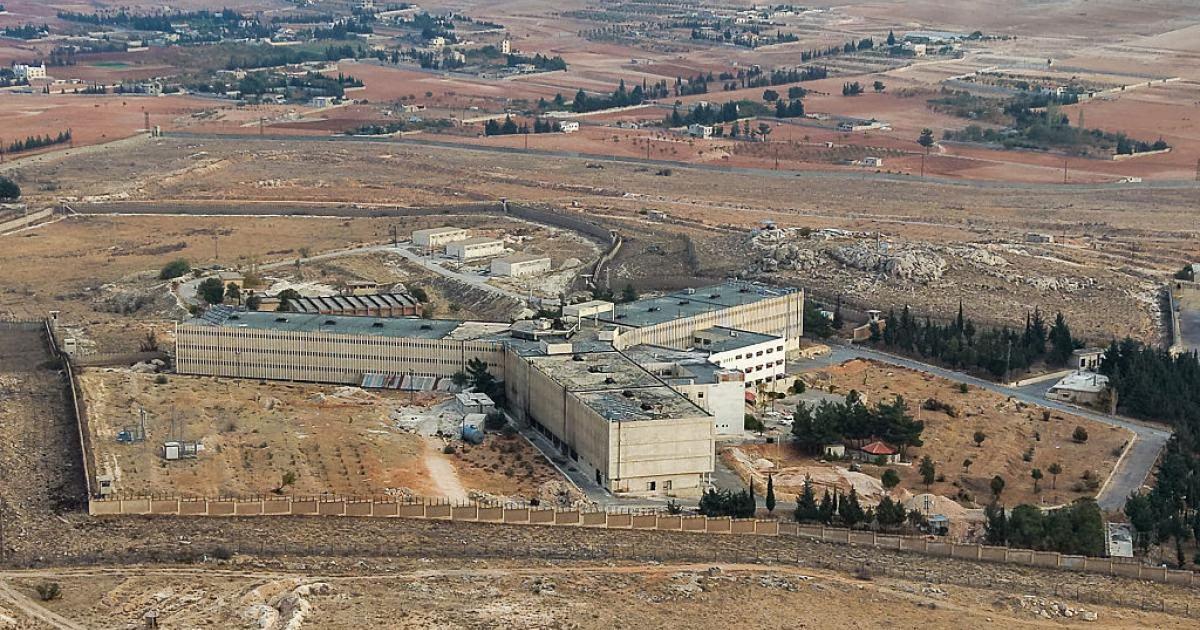
Leaked Saydnaya Footage
Videos circulating online showing the initial moments of entering Saydnaya Prison on the night the regime of the deposed President Bashar al-Assad fell sparked a wave of questions about their timing, according to Al-Jazeera Net. The Syria Now platform aired exclusive footage of the early moments of the Syrian rebels entering Saydnaya Prison, showing the surveillance screens used by the guards to monitor the cells and corridors inside the facility, indicating that the recording devices were still operating after the guards had fled from the prison. Other clips published by activists on social media, taken with the announcement of the regime's fall on December 8, 2024, showed the moments of opening the cells and freeing the detainees, with detainees’ faces showing astonishment and disbelief amid rebels’ cheers and ululations.
Al-Jazeera Net also described footage capturing one of the rebels touching a teapot that the guards had prepared, noting that it was still hot, suggesting they had fled shortly before the Aggression Deterrence Forces arrived at Saydnaya prison. The same article said these releases at this particular timing raised broad questions about their implications and aims, especially given the lack of a clear source for the leaks attributed to surveillance cameras inside Saydnaya prison.

Activists also questioned the fate of the surveillance camera recordings inside the prison, noting that the cameras were operating at the moment of entry and raising questions about where the recording servers are stored and how they were handled. In parallel, Al-Jazeera Net reported that the timing of the clips coincided with others attributed to surveillance cameras inside the prison, whose source is unknown, adding to the mystery about what is being circulated.
Dates, Screens, and Rooms
Across multiple outlets, the leaked clips are described as coming from surveillance cameras inside Sednaya/Saydnaya, with specific dates and identifiable spaces inside the prison. The التلفزيون العربي report said one clip showed the date December 2, 2024, about six days before the regime's collapse, and described detainees wearing uniform clothing sitting on the floor facing the wall inside an empty room equipped with an iron door. It also said another clip showed a monitoring room with many screens mounted on one wall, and a third clip showed a room designated for visits by detainees' families where a person in military attire appears through a window surrounded by iron bars speaking to a man and a woman.
The New Arab similarly said activists posted footage purportedly leaked from Syria's Sednaya Prison showing days in the run-up to the fall of Bashar al-Assad's government, and it reported that the clips were first posted on a Facebook account called "Haidar al-Turab" before later being deleted. The New Arab added that former Sednaya detainee Ahmed al-Hamad told The New Arab that the footage does reflect the inside of the prison, including a section known as the "Red Prison."

Another outlet, جريدة القدس, described the leaked clips as showing harsh scenes inside prison corridors and said the recording date goes back to December 2, 2024, meaning they were shot about six days before the rapid collapse of Bashar al-Assad's regime. It further said the leaks included footage of the prison's central surveillance room, which houses dozens of screens connected to cameras distributed across different sections, and a room designated for receiving visitors where a military officer appeared to be interrogating a man and a woman behind iron bars about the detainee's identity and relationship.
Voices: Detainees, Activists, and Calls
The controversy over the leaked Saydnaya/Sednaya footage is accompanied by direct calls for investigation and warnings against turning detainees’ suffering into viral content. The New Arab quoted former Sednaya detainee Ahmed al-Hamad calling for an urgent investigation into the source of the leaks and to find out what happened to other photographic evidence from the prison, and it reported that he urged against turning the suffering of the detainees into material for viral circulation, saying the evidence should be dealt with in a way that preserves the dignity of the detainees and their families. In the same vein, التلفزيون العربي reported that a former detainee and member of the Association of Syrian Female Survivors, Sawsan al-Abar, said the country is living in chaos and a total lack of transparency, noting that what is happening lacks clarity, and she told Syria TV that the handling of the Sednaya prison file has not been proper since the regime fell.
It also quoted activist Sobhi al-Basas calling for an immediate investigation, noting that publishing the clips without clear context raises doubts about the leak's aims, especially with talk of other unpublished recordings. The report added that the two activists Omar Nuzhat and Hamza Abbas appeared in a video on Facebook in which they stated that these materials were handed over to the authorities without further details.
جريدة القدس likewise quoted Sawsan al-Abar expressing concern about opacity surrounding the prison file after the regime's fall, and it described her press statement saying that handling this sensitive file has not reached the required level, calling for transparency and clarity. Meanwhile, Al-Jazeera Net framed the broader questions around the timing and the unknown origin of the surveillance-camera disclosures, saying some observers wondered whether the timing was tied to political or media considerations and others argued it could carry messages beyond documentary value.
Competing Narratives on Timing
While the clips are broadly described as surveillance footage from inside Sednaya/Saydnaya, the outlets differ in how they frame the timing, the identity of the account that posted the material, and the implications of what was shown. Al-Jazeera Net emphasized that videos showing the initial moments of entering Saydnaya on the night Bashar al-Assad fell raised questions about why they were published now, and it stressed the lack of a clear source for leaks attributed to surveillance cameras inside the prison. The New Arab said footage purportedly leaked from Syria's Sednaya Prison was posted to social media on Tuesday and that activists say the surveillance footage shows days in the run-up to the fall of Bashar al-Assad's government, with the clips first posted on a Facebook account called "Haidar al-Turab" before being deleted.
التلفزيون العربي reported that Syrians widely circulated early Tuesday across social media a set of leaked clips documenting scenes from inside the notorious Sednaya Prison, just days before Bashar al-Assad's regime fell, and it specified that one clip showed the date December 2, 2024, about six days before the regime's collapse. آخر خبر described the release as providing precise details showing waiting rooms and control centers and said it reentered the public spotlight on December 8, 2024, linking the prison to thousands of detainees and missing persons, including those arrested since 2013 with their fate still unknown.

The الشرق الأوسط report added a different layer by describing an anonymous Facebook account named 'Haidar al-Tarab' posting three clips and then deleting them, and it said activists believe unknown individuals seized the storage units—the hard drives—in the prison on the night the regime fell on December 8, 2024. Meanwhile, تَأكد reported that a Facebook account named "Haydar al-Tarab," nicknamed "Abu Haydar al-Hafiri," appeared in the middle of the night of April 28, 2026, posting a series of videos from the central monitoring system of Sednaya Military Prison before deleting them later.
Archive Stakes and Next Steps
The stakes described by the reports center on what happened to the prison’s digital archive and whether the leaked material can help determine the fate of detainees and forcibly disappeared persons. The New Arab said the leaked footage appears to bolster previous claims that the prison's recording devices and documents were stolen after the fall of the Assad regime in late 2024, and it reported that the Association of Detainees and Missing Persons of Sednaya Prison said armed groups looted the contents of the control rooms, including computers containing camera recordings and sensitive security documents. It added that the association believes these materials may be a key to uncovering the fate of thousands of detainees and forcibly disappeared persons, and it cited the Syrian Network for Human Rights (SNHR) saying more than 177,000 people were forcibly disappeared by the Assad regime, most of whom are believed to have been killed.
The الشرق الأوسط report similarly said activists believe unknown individuals seized the storage units—the hard drives—in the prison on the night the regime fell on December 8, 2024, and it warned that the continued circulation of the clips in a suspicious manner disregards the feelings of hundreds of thousands of victims and the families of martyrs and the disappeared. In تَأكد, Hadi Haroun, a member of the documentation team for the Association of Detainees and Missing Persons of Sednaya Prison, told Ta’akkad in a private statement that the hard drives containing prison recordings were almost certainly stolen by civilian individuals who entered the prison during its liberation or by regime-loyal elements from groups such as the National Defense or the Shabiha.
Haroun said the theft had a dual purpose: first, to profit from the content as "media material" and attempt to sell those videos; second, to obscure parts of the truth and conceal them, and he stressed that the recently released clips sparked broad controversy while they do not reflect the reality of the "catastrophe" and the atrocities that occurred inside Sednaya Prison. The same report argued that the camera system in Sednaya did not exist until after 2018 or perhaps 2020, and it said torture was concentrated in areas hidden from the cameras’ view, such as bathrooms inside cells or communal baths at the ends of wings.