Full story
Belgium’s record wildfire
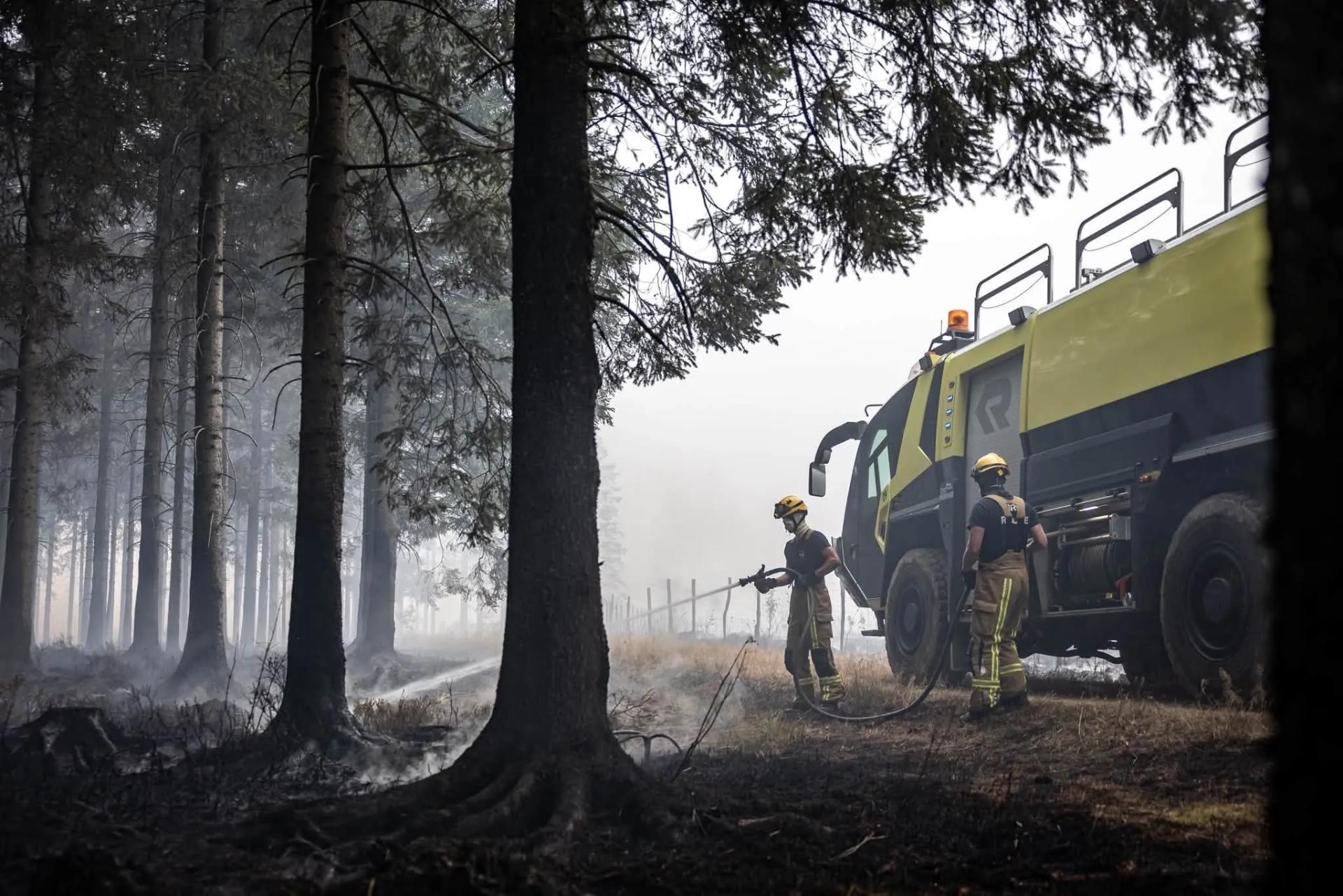
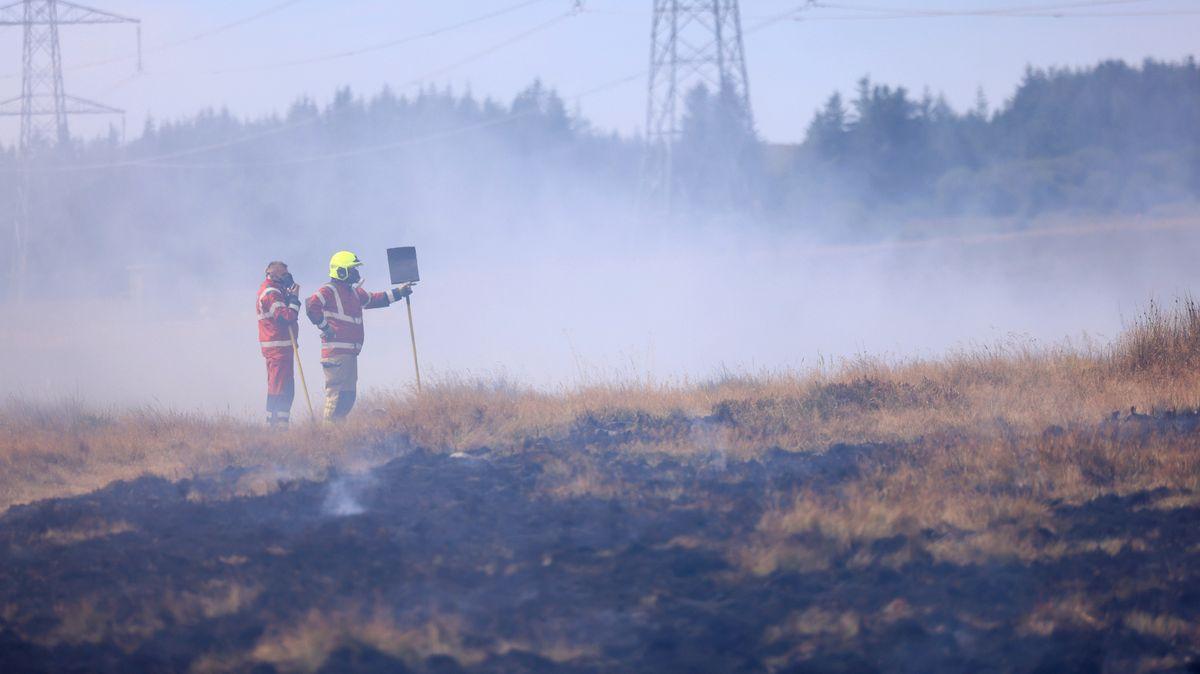
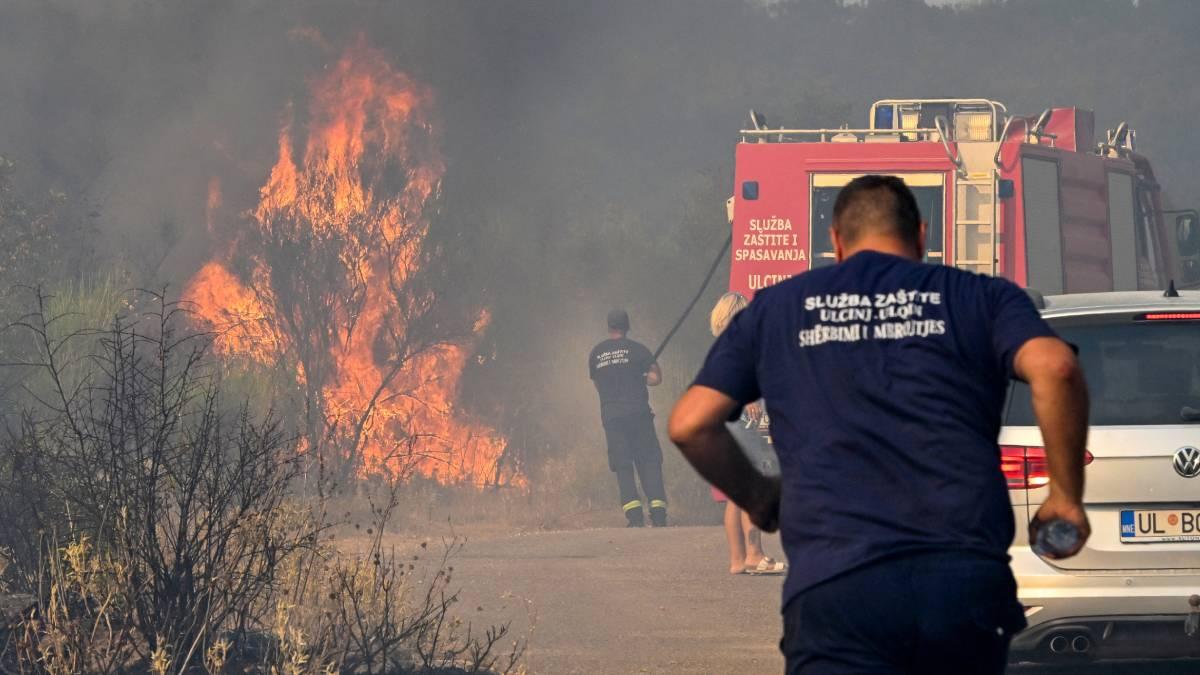
Belgium battled its biggest wildfire on record in the High Fens (Hautes Fagnes) nature reserve near the German border, with the European Union deploying three helicopters and two water bomber aircraft as the blaze burned since Friday.
“By 1600 GMT, it had burned 2,700 hectares”
By 1600 GMT it had burned 2,700 hectares, after increasing from 1,600 hectares earlier in the day, according to the office of the governor of Liege.
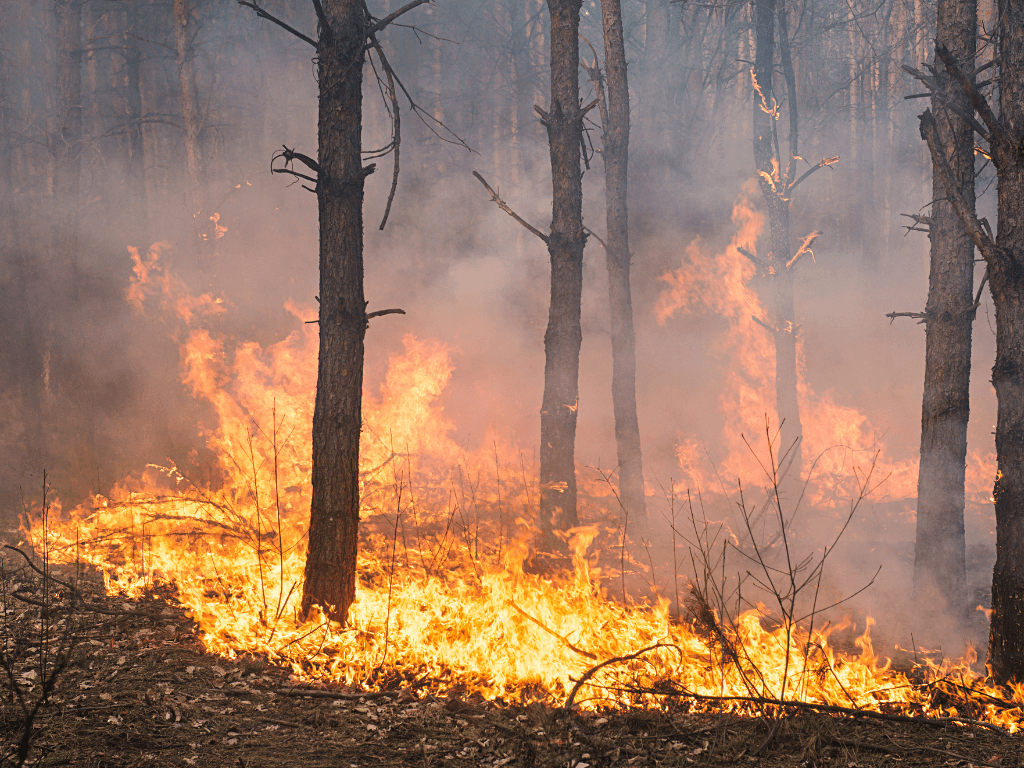
The fire approached to within 3 kilometers (2 miles) of the German border, prompting authorities in Germany to warn of smoke danger as shifting winds and heavy smoke raised concerns that it could reach homes.
Authorities ordered around 600 residents in parts of Waimes, Sourbrodt and Buetgenbach to evacuate, and a gymnasium in Malmedy was opened up to offer shelter.
Belgian Interior Minister Bernard Quintin told AFP he was "shocked" at the fire's speed and extent of the destruction, while Nicolas Yernaux said there was "a risk that the fire could reach homes" and that Wallonia was deploying all available resources to protect them.
Evacuations and on-the-ground
In Belgium, local authorities told residents in parts of Sourbrodt and Bütgenbach to evacuate at around 4 pm, while others were advised to remain indoors and keep doors and windows closed, according to Le Monde.
The Belga news agency reported that 600 people were told to leave, and Yernaux said the blaze remained uncontrolled and was the "largest in recent history" for Belgium.

David Rodolfs, a restaurant owner in Waimes, told AFP, "You can't see a thing anymore, there's smoke everywhere," as the fire spread rapidly across peatlands and pine forests.
Germany’s Monschau, located just 2 kilometers from the border, warned residents to prepare for possible evacuation and advised people living in three districts to temporarily seek accommodation elsewhere if possible.
Philipp Krüger, the operations manager of the Monschau fire brigade, told DPA, "We are continuing to monitor the situation," while the local fire brigade said it did not expect the fire to enter German territory any time soon.
EU coordination and climate
The EU coordinated the deployment of extra resources pooled from European countries when a country requests emergency help, and EU Crisis Commissioner Hadja Lahbib said the aircraft sent to Belgium on Saturday were from the Czech Republic, Sweden and the Netherlands.
“The EU coordinates the deployment of extra resources pooled from European countries”
European Commissioner Hadja Lahbib called the blaze the latest sign of the "climate upheaval" affecting the continent, saying "Never before has the wildfire season started so early in the year and reached such northern latitudes."
Scientists cited in the coverage said human-caused climate change increases the likelihood of hot and dry conditions that allow wildfires to spread faster and burn longer, while Belgium experienced its fifth heatwave of the summer this week.
The fire’s terrain in the High Fens nature reserve made it difficult for emergency services to attack at close range using their usual resources, according to the Liege governor’s office.
With the blaze still spreading and evacuations underway, the response hinged on aerial resources and the EU civil protection mechanism, as operations relied heavily on helicopters and water-bombing aircraft to protect homes near the border.