Ukraine War24 October, 20253 min read
Belgium Blocks EU €140 Billion Loan to Ukraine by Vetoing Use of Frozen Russian Assets
Belgium vetoed the €140 billion EU loan to Ukraine due to legal and financial risk concerns. Frozen Russian assets held mainly in Belgium were intended to finance the stalled Ukraine loan.

13 outlets told this the same way.
Outlets did split on Russian Attack Kills At Least 33 On Two Buses In Kramatorsk →
EU Loan Dispute Over Ukraine Funding
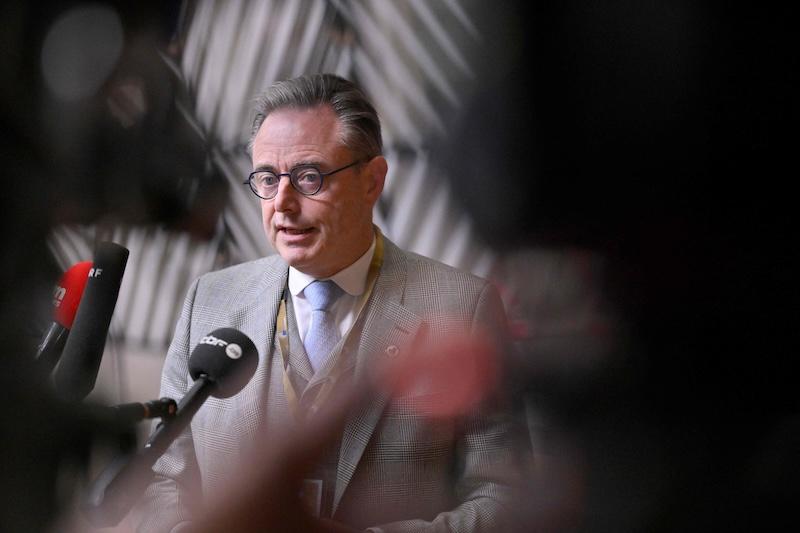
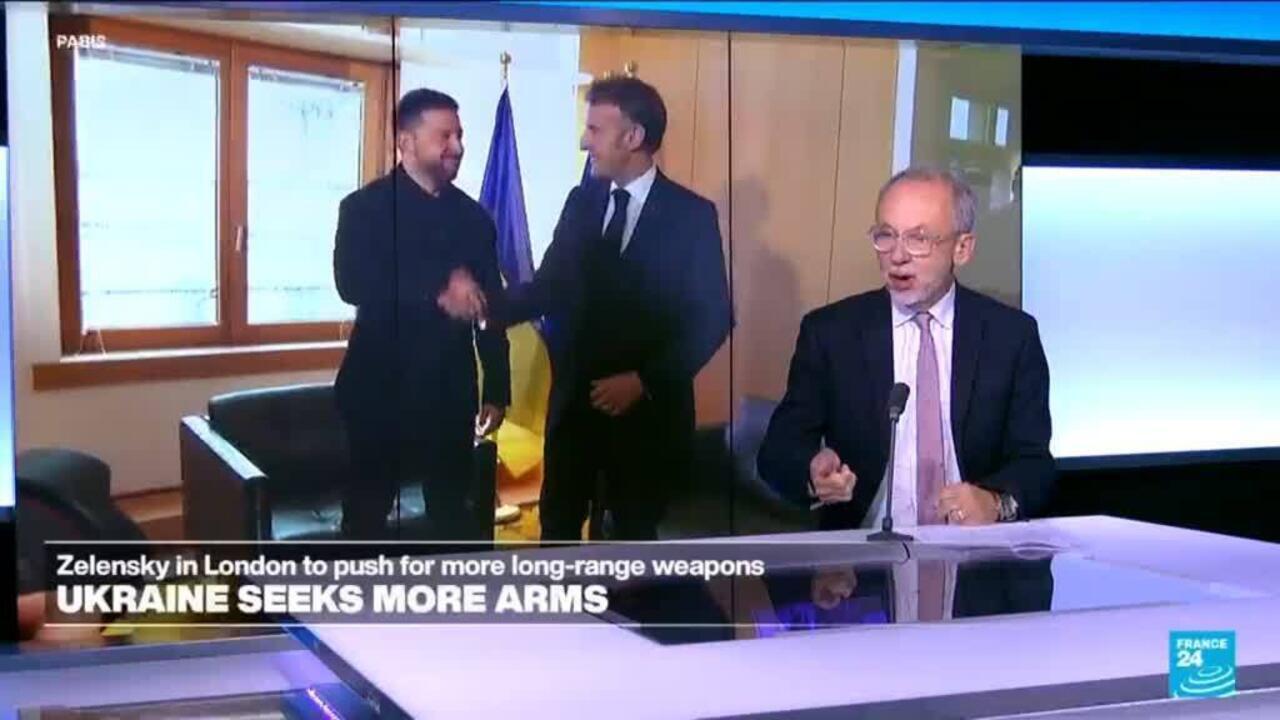
EU leaders failed to approve a proposed €140 billion reparation loan for Ukraine after Belgium vetoed using profits from frozen Russian assets. This veto softened summit conclusions and pushed any firm decision to December. France 24 reports the planned loan is stalled due to opposition from Belgian Prime Minister Bart De Wever.
“The EU’s planned €140 billion loan to Ukraine is currently stalled due to opposition from Belgian Prime Minister Bart De Wever… EU leaders softened their stance, effectively postponing a decision for at least two more months.”
The report notes that EU leaders softened their stance, effectively postponing a decision for at least two more months. El País similarly says the plan has been blocked by Belgium, where most assets are held. Xinhua highlights broader divisions and adds that the European Central Bank also opposed the proposal on legal and financial grounds.

Ukrainska Pravda underscores that 26 EU countries urged the Commission to explore options but did not endorse the loan tied to Russian assets. Discussions have been delayed to December, disappointing Ukraine’s hopes for early 2026 funding.
Debate Over Russian Asset Use
The issue is not outright confiscation but whether to back a massive loan with earnings from immobilized Russian state funds—an approach that still alarms Belgium. The Helsinki Times clarifies the scheme would not confiscate Russian assets but would rely on interest income, with the principal preserved unless Russia consents to reparations. Belgium even opposed language about using the frozen funds’ cash balances.
Kyiv Post specifies the funding base as income from approximately €190 billion in immobilized Russian state funds managed by Euroclear. Ukrainska Pravda stresses the loan was to be funded by profits from frozen Russian assets held mainly in Brussels. However, RBC-Ukraine describes the EU proposal as one to seize frozen Russian assets, underscoring divergent portrayals of the mechanism across outlets.
Belgium's Concerns on Legal and Financial Risks
Belgium’s rationale centers on legal risk, exposure concentration, and fear of retaliation, along with demands that others share the burden. El País cites the lack of legal guarantees to protect against potential Kremlin retaliation and risks to Euroclear. The Helsinki Times lists Belgian concerns about a clear legal framework, joint guarantees, and protection against potential Russian retaliation.
“Belgium raised concerns about the lack of legal guarantees to protect against potential Kremlin retaliation and risks to Euroclear, the financial clearinghouse based in Belgium.”
Euractiv adds specifics, noting Belgium is already exposed through a separate €45 billion G7 scheme and wants others to share the risks. Belgium even sought guarantees that Russia could be reimbursed immediately if it regained access to the assets, which met little enthusiasm.
Xinhua echoes that Belgium demanded shared financial risk, guarantees for potential asset returns, and unified action from all EU members. Xinhua also notes the European Central Bank's concerns about legal risks.
EU Debate on Frozen Assets
Political maneuvering sharpened the debate.
Euractiv reports Belgium succeeded in weakening the European Council’s conclusions while defending itself against accusations from some EU leaders and officials from Ukraine and the U.S. Treasury that it was profiting from frozen assets.

Xinhua and France 24 both note the decision was postponed to December, with Xinhua stressing that support from Germany, France, and the Baltic states was countered by Belgium’s opposition.
Ukrainska Pravda adds that 26 countries urged the Commission to keep exploring options, while Hungary abstained.
France 24 mentions a separate coalition of willing meeting in London to coordinate further support.
Ukraine Funding Delays and Support
For Kyiv, the delay tightens an already urgent funding timeline. El País cites the IMF’s estimate of around 130 billion euros needed for 2026-2027, with reduced U.S. support pushing Europe to shoulder more responsibility. Ukrainska Pravda reports that Ukraine had hoped to receive loan proceeds by early 2026 to cover defense and budget needs, but talks have now slipped to December.
“EU leaders remain committed to ensuring Ukraine receives necessary financial resources for its defense.”
Kyiv Post notes the mechanism aimed to provide steady financial support from Euroclear-managed assets. Xinhua and the Helsinki Times underline that leaders reaffirmed support for Ukraine even as they softened language and postponed key funding decisions to the next summit.