Israeli Politicsupdated 20m ago2 min read
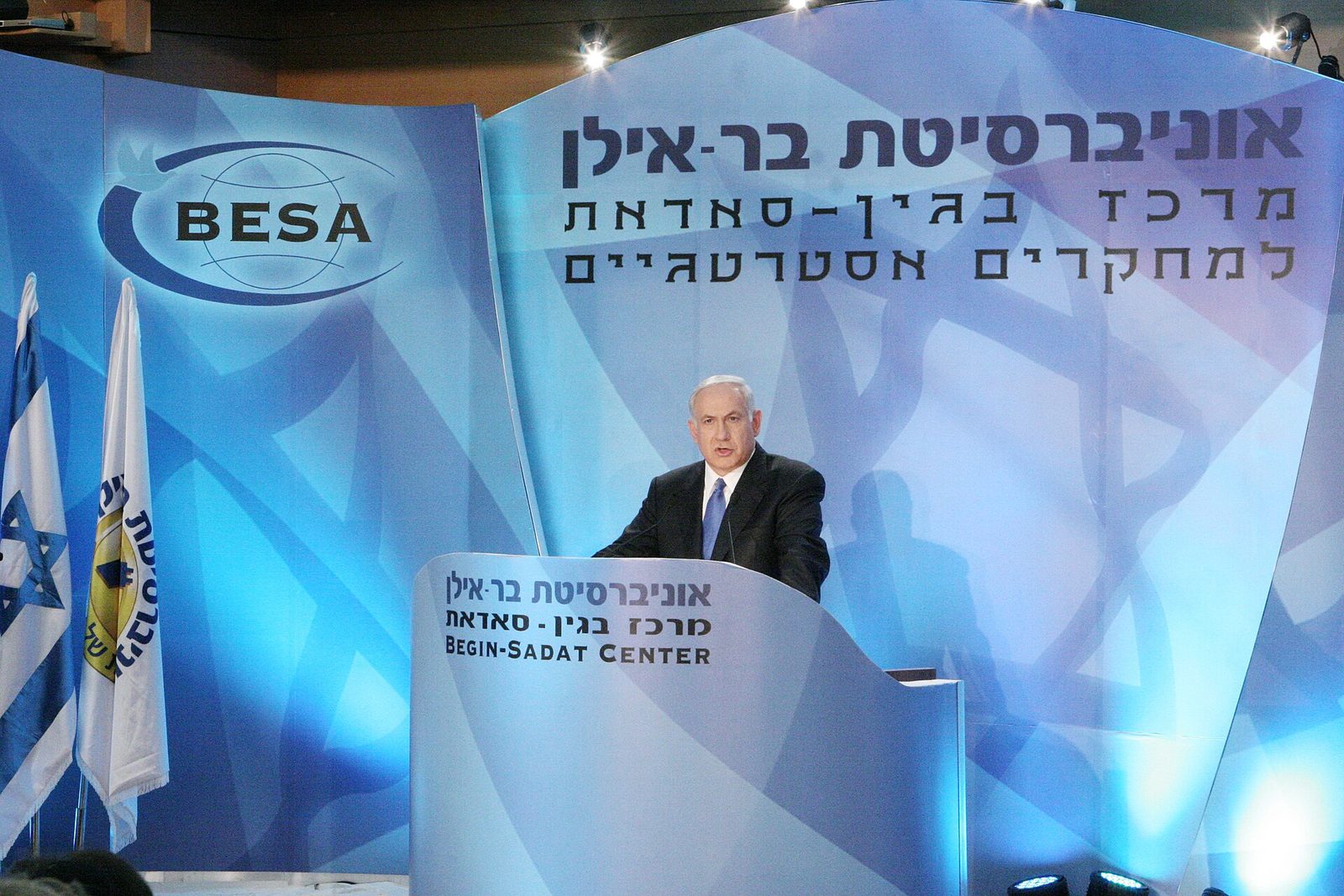
Archive photo · 14 June 2009Netanyahu Urges Unity Government With Gadi Eisenkot to Eliminate Iran Threat
15 Other6 West Asian5 Israeli6 Other source typesPhoto: Yoni Reif / Begin-Sadat Center for Strategic Studies, CC BY-SA 4.0 · Cropped for layout
This article is an automated aggregation of coverage from news outlets. Our editorials offer in-depth analysis curated by the NewsCord team.
Netanyahu urges national unity government with Eisenkot to confront Iran's nuclear threat Calls for talks without preconditions to form broad coalition including Jewish-majority parties
Save coverage image
Netanyahu presses unity
Israeli caretaker Prime Minister Benjamin Netanyahu renewed his call for a national unity government with Gadi Eisenkot, saying a meeting with Eisenkot on Thursday “only strengthened the conviction that it is essential to form a national unity government”. Netanyahu argued that such a government could “eliminate the Iranian threat once and for all”, claiming Tehran would “not hesitate to use nuclear weapons against us”.
Netanyahu said he urged Eisenkot to “Let’s meet in one room, without preconditions,” and he framed the talks as a way to address Israel’s security challenges. Eisenkot dismissed Netanyahu’s appeal as a ploy, saying Netanyahu “knows he lost the election” and adding, “These tricks don’t work on me.”
Numbers and negotiating window
Neither side won a majority in the October 27 election, with Netanyahu’s right-wing and religious bloc taking 53 seats in the 120-seat Knesset and Eisenkot’s four-party bloc taking 48 seats. Arab-led parties won a record 19 seats, and President Isaac Herzog tasked Eisenkot with forming a government after 67 lawmakers, including those from Arab-led parties, endorsed him. Netanyahu’s warning against Eisenkot’s plan for a minority “national emergency government” said the 48 lawmakers in Eisenkot’s bloc would vote in favour against the 46 Netanyahu backers while the 26 other members could abstain.
Eisenkot was tapped to form a government within 28 days, with a possible 14-day extension, and Netanyahu’s unity proposal would exclude Arab parties. Eisenkot “knows he lost the election”, and Eisenkot accused Netanyahu of playing “tricks” by appealing for a unity government.
Knesset speaker and conditions
The standoff over unity has carried into the Knesset, where the parliament will elect its speaker on Tuesday, with Amir Ohana holding the post and the opposition putting forward Matan Kahana. Eisenkot challenged Likud and Religious Zionism to support the appointment of Matan Kahana, and Eisenkot said, “If they (Likud and its allies) are truly seeking a sincere political partnership”. Eisenkot ruled out including Arab-led parties in his government, while Netanyahu’s version would include Jewish parties from the centre and the right and exclude Arab parties.
“The Knesset will elect its speaker on Tuesday.”
Eisenkot said he could work with members of Netanyahu’s Likud party and with Bezalel Smotrich’s Religious Zionism if their commitment to unity is “sincere”, but he insisted on a “break with the extremists”. Netanyahu warned that such a government would lead to Israel’s “collapse”, while Eisenkot’s bloc could approve his minority plan without an absolute majority in the Knesset.