Technology and Science18 June, 20263 min read
Blue Origin Rebuilds New Glenn Launch Pad at Cape Canaveral After May 28 Explosion
This article is an automated aggregation of coverage from news outlets. Our editorials offer in-depth analysis curated by the NewsCord team.
May 28, 2026 explosion destroyed Blue Origin's New Glenn and its Cape Canaveral pad. Construction began to rebuild the launch pad, aiming to resume flights by end of 2026.
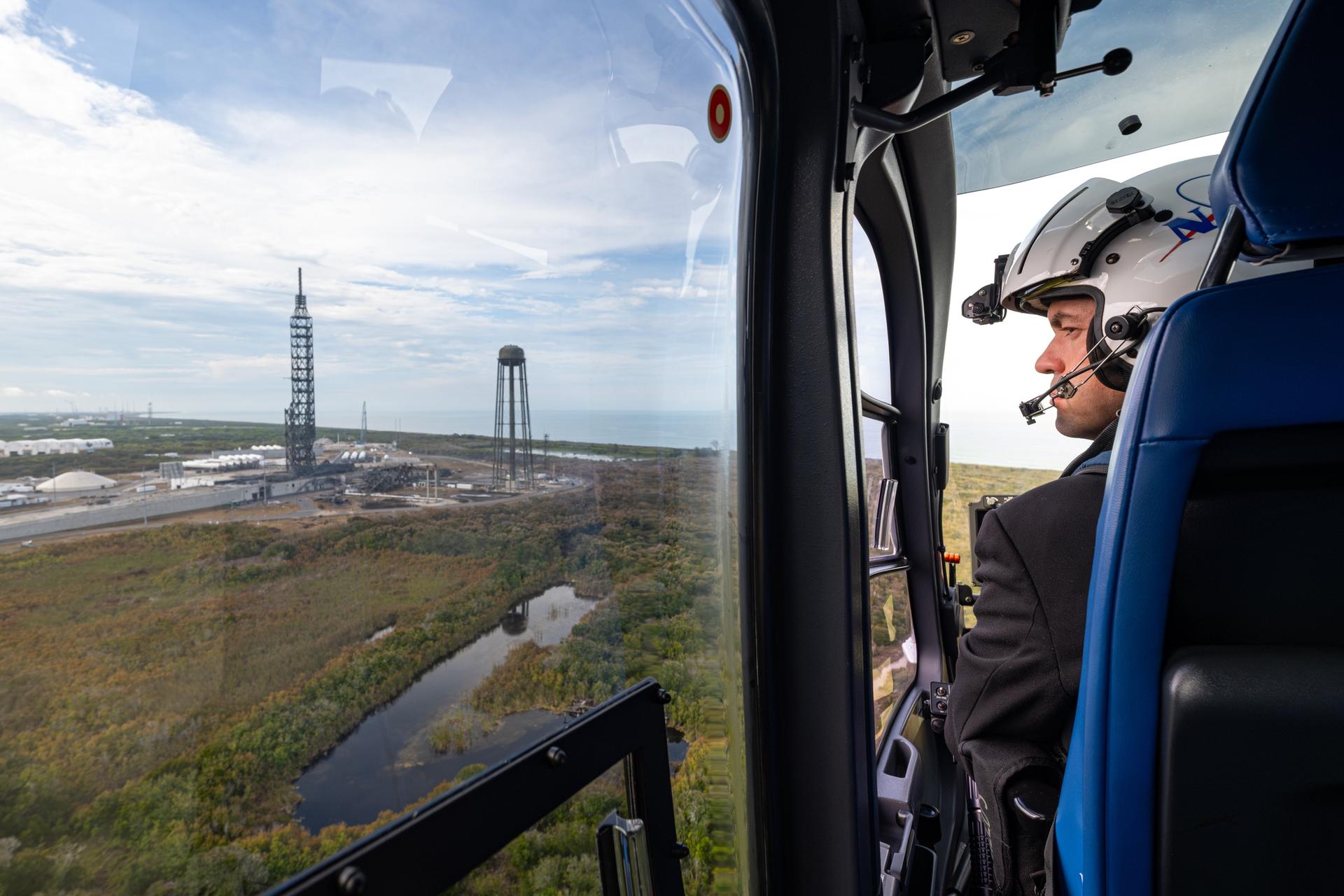
Pad rebuild after May blast
Blue Origin began full reconstruction of its New Glenn launch pad at Cape Canaveral after a New Glenn explosion during a static-fire ground test on May 28, 2026, which destroyed the vehicle and severely damaged the pad. Speaking at VivaTech in Paris on June 17, Blue Origin CEO Dave Limp confirmed that crews were working around the clock to clear debris and that formal reconstruction started on June 16, with a target return to flight before the end of 2026. SpaceNews said the May 28 explosion occurred during a static-fire test at Cape Canaveral’s Launch Complex 36 and caused serious pad damage including the collapse of a lightning tower and the destruction of the transporter-erector used to bring the rocket to the pad and raise it to vertical.
Blue Origin founder Jeff Bezos said, "It was a gut punch for the whole team," while also arguing that analysis showed "we got really lucky" because long-lead launch infrastructure elements were preserved. The reconstruction timeline is tied to whether New Glenn can meet pending manifest commitments, with KeepTrack noting the pace of the rebuild will determine whether the rocket can return to flight before the end of 2026.
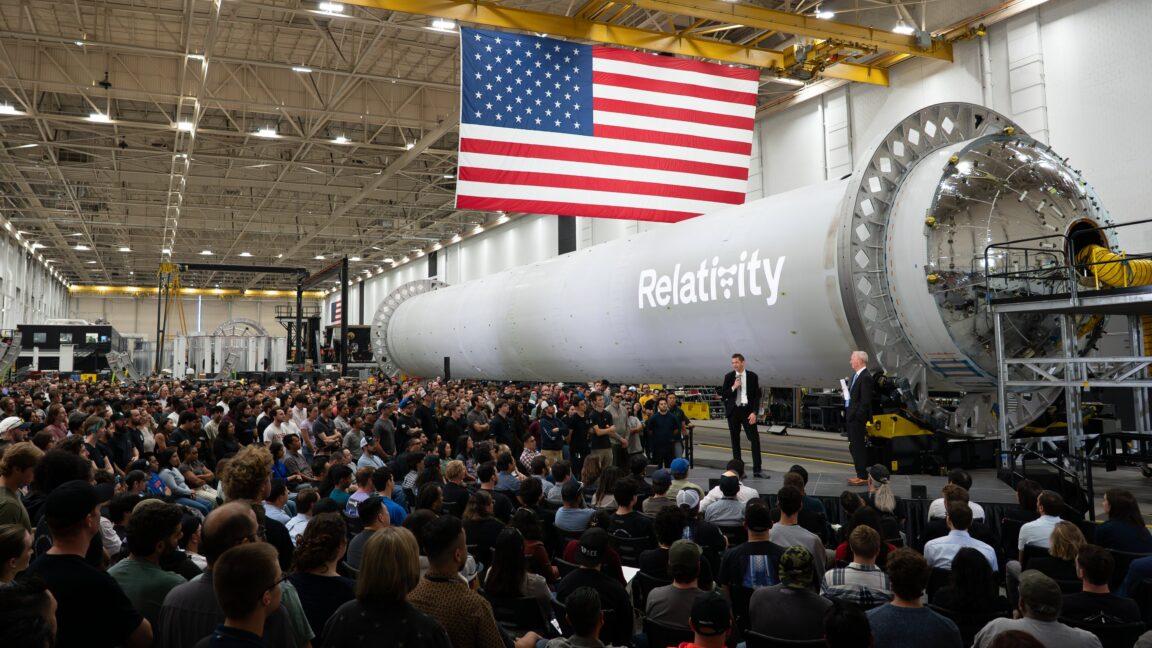
What survived, what changed
Blue Origin said key infrastructure elements, including the propellant storage facilities and systems for storing hydrogen, liquefied natural gas, and liquid oxygen, came through unscathed, and those long-lead items are described as shaving months off the recovery timeline. SpaceNews added that the preserved items included a propellant tank farm at the pad and a New Glenn booster used on the previous two launches that was in an integration hangar near the pad. Because the transporter-erector was destroyed beyond repair, Blue Origin said it would replace it with an alternative vertical integration system, and Limp previously said the company would move to an "alternative vertical conop" to eliminate the need to replace the transporter-erector.
Bezos described the incident’s debris impact, saying, "Various pieces of shrapnel missed the booster," and Limp said the pad had been cleared of all debris and that reconstruction began "Just yesterday." KeepTrack framed the distinction between repair and full reconstruction as meaningful for timeline risk, stating the pad damage was extensive enough to require full reconstruction, not repair.

Launch demand and Artemis links
Blue Origin’s push to fly New Glenn again before the end of 2026 is presented as a response to a launch market where demand outstrips supply, with Bezos saying, "Demand for launch is insatiable right now" and that the company is supply-constrained.
SpaceNews reported that the prospect of New Glenn being out of service led NASA to consider "decoupling" Blue Moon from its New Glenn launcher, but Limp suggested that decoupling will not be necessary.
Limp said, "Just next year, early in the year, we’ll fly our Mark 1 lander," and SpaceNews tied that to NASA’s Artemis campaign and the robotic Blue Moon Mark 1 lunar lander mission.
KeepTrack also reported a separate Pentagon contract for Quantum Space to develop a fuel-transfer spacecraft for the U.S. Space Force with a target delivery by 2028, placing orbital refueling in the context of satellite longevity and repositioning.
In the same KeepTrack brief, Kelly Hammett, director of the Space Rapid Capabilities Office, was reported moving to the Air Force Nuclear Weapons Center as the Space RCO was realigned directly under Space Force, a leadership transition that the brief said can introduce program continuity risk for mid-acquisition efforts.