Africa17 March, 20264 min read
Boko Haram suicide bombers kill 23 in Maiduguri
Three coordinated suspected suicide bombings killed at least 23 and wounded over 100 in Maiduguri. Locations included a post office, a busy market, and University of Maiduguri Teaching Hospital.
Deadly Coordinated Attacks
Multiple coordinated suicide bombings by suspected Boko Haram militants struck the northeastern Nigerian city of Maiduguri on Monday evening, March 16, 2026, killing at least 23 people and injuring more than 100 others in one of the deadliest attacks on the city in recent years. The attacks targeted crowded public areas during the Ramadan fast-breaking period when large gatherings were common.
“The attacks occurred on Monday evening, targeted busy locations across the Maiduguri Metropolitan Council during the Ramadan fast-breaking period, triggering panic among residents and raising fresh concerns over a resurgence of insurgent violence in the North-East.”
Nigerian authorities confirmed the coordinated nature of the blasts, which security officials described as deliberate attempts to inflict mass casualties and create widespread panic among civilian populations. The incident represents a significant escalation in insurgent violence in a region that has experienced relative peace in recent years despite ongoing conflicts in rural areas.

Attack Locations and Timing
The explosions occurred simultaneously at approximately 7:05-7:30 p.m. local time, striking three key locations within the densely populated city of around 1.2 million people. The first blast hit the entrance to the University of Maiduguri Teaching Hospital, followed almost immediately by explosions at the popular Monday Market and the Post Office business hub, with all three locations situated within close proximity of each other.
Eyewitnesses described chaotic scenes as people fleeing the initial market explosion were caught in subsequent blasts, particularly near the post office area where crowds had gathered. The timing of the attacks, occurring during the Ramadan fast-breaking when families and communities gather to break their daily fast, maximized the potential for civilian casualties as these public areas were filled with residents.

Security Response Aftermath
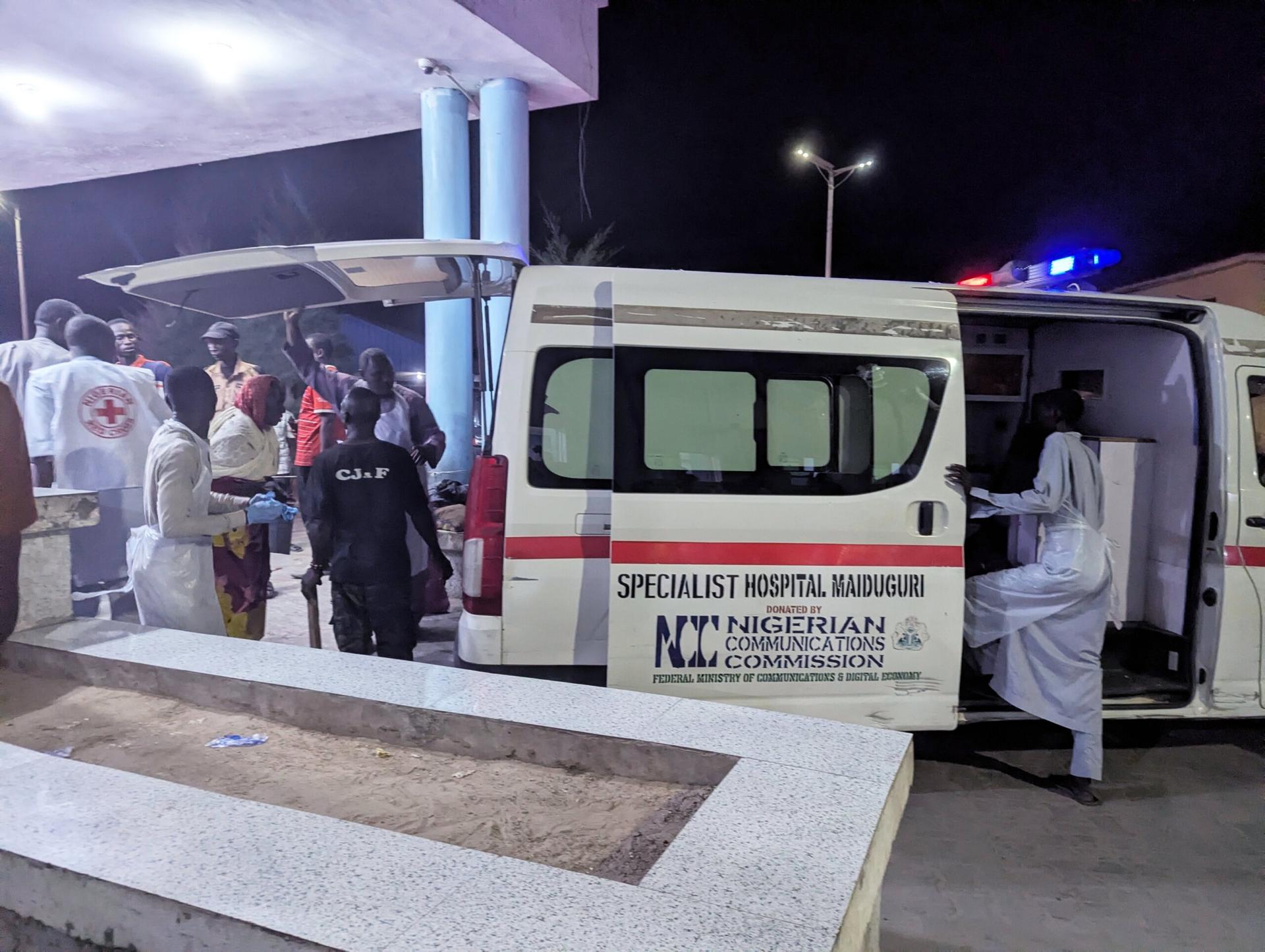
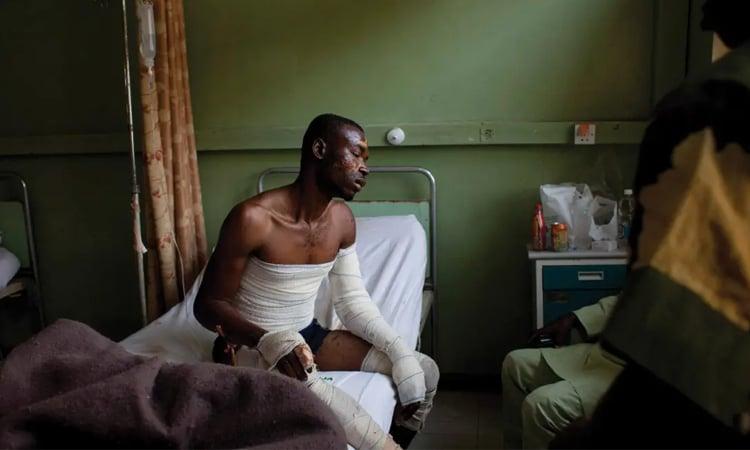
In the immediate aftermath, Nigerian security forces including troops of Operation Hadin Kai and the Nigeria Police Explosive Ordnance Disposal unit quickly secured the affected locations and prevented further damage. Emergency responders from the National Emergency Management Agency, Federal Fire Service, and Nigerian Red Cross evacuated victims to multiple health facilities including the General Hospital, State Specialist Hospital, and the University of Maiduguri Teaching Hospital.
“Security forces have intensified surveillance, patrols, and counter-IED operations to track down any remaining suspects and avert further attacks,' he said, urging residents to avoid crowded areas and report suspicious activities.”
The army spokesman warned that intelligence reports suggested more suicide bombers might still be operating within the city, prompting intensified surveillance, patrols, and counter-IED operations. Public places remained closed the following day amid heightened fear and heavy security deployment along major roads, with authorities urging residents to avoid crowded areas and report suspicious activities.
Insurgency Context
The Maiduguri attacks occurred within the broader context of Nigeria's long-running Islamist insurgency, which has ravaged Borno State for 17 years and killed thousands while displacing approximately two million people. Boko Haram, which originated in Maiduguri with its initial uprising in 2009, has since evolved into a formidable terrorist organization with multiple factions including the Islamic State West Africa Province (ISWAP).
The attacks came just hours after suspected Boko Haram and ISWAP fighters attempted coordinated assaults on military formations in Ajilari, Damboa, and Baga, though those attacks were successfully repelled by joint security forces. Recent insurgent activities have included an assault in Ngoshe where terrorists overran a military base, killed civilians, and abducted residents, suggesting a worrying resurgence of terrorist capabilities in the region despite previous military successes.
Official Reactions
Nigerian authorities at both state and federal levels strongly condemned the attacks, with Borno State Governor Babagana Zulum describing them as barbaric and inhumane. In a statement issued through his media aide while the governor was in Saudi Arabia for the Lesser Hajj, Zulum expressed sympathy with victims and their families while calling for heightened vigilance.
“Reacting to the Maiduguri bombings, Borno State Governor, Babagana Zulum, condemned the attacks, describing them as barbaric and inhumane. In a statement issued through his media aide, the governor, who is currently in Saudi Arabia for the Lesser Hajj, expressed sympathy with victims and their families, while calling for heightened vigilance.”
Former Kano State governor Rabiu Kwankwaso characterized the incident as a major setback to the relative peace recorded in Borno in recent years, warning that it signaled a worrying resurgence of terrorism. President Bola Tinubu, who was abroad on a state visit to the United Kingdom, expressed condolences for the victims and directed security chiefs to move to Maiduguri to 'take charge of the situation,' describing the attacks as 'desperate acts of the evil-minded terrorist groups' that would be curtailed by Nigerian security forces.
Ongoing Security Concerns
As investigations continue into the coordinated bombings, security agencies have reiterated warnings about potential additional attacks, citing intelligence reports suggesting more suicide bombers may be operating within the city. Counterterrorism experts analyzing the pattern of attacks suggested they could represent retaliatory moves by insurgents following recent military offensives against their strongholds.
The near-simultaneous strikes on both civilian and military targets underscored the continued operational capacity of terrorist groups in the region, despite previous military successes. The Sir Ahmadu Bello Memorial Foundation and other organizations condemned the attacks while urging the government to strengthen support for security agencies and calling on citizens to provide intelligence that could help curb insurgent activities.