Europe18 September, 20262 min read
Boris Pistorius Receives Germany’s First F-35A Lightning II From Lockheed Martin in Fort Worth
This article is an automated aggregation of coverage from news outlets. Our editorials offer in-depth analysis curated by the NewsCord team.
Pistorius attended a Texas ceremony as Germany received its first F-35A. Germany ordered 35 F-35As for about €10 billion to overhaul the air force.
Germany’s first F-35 arrives
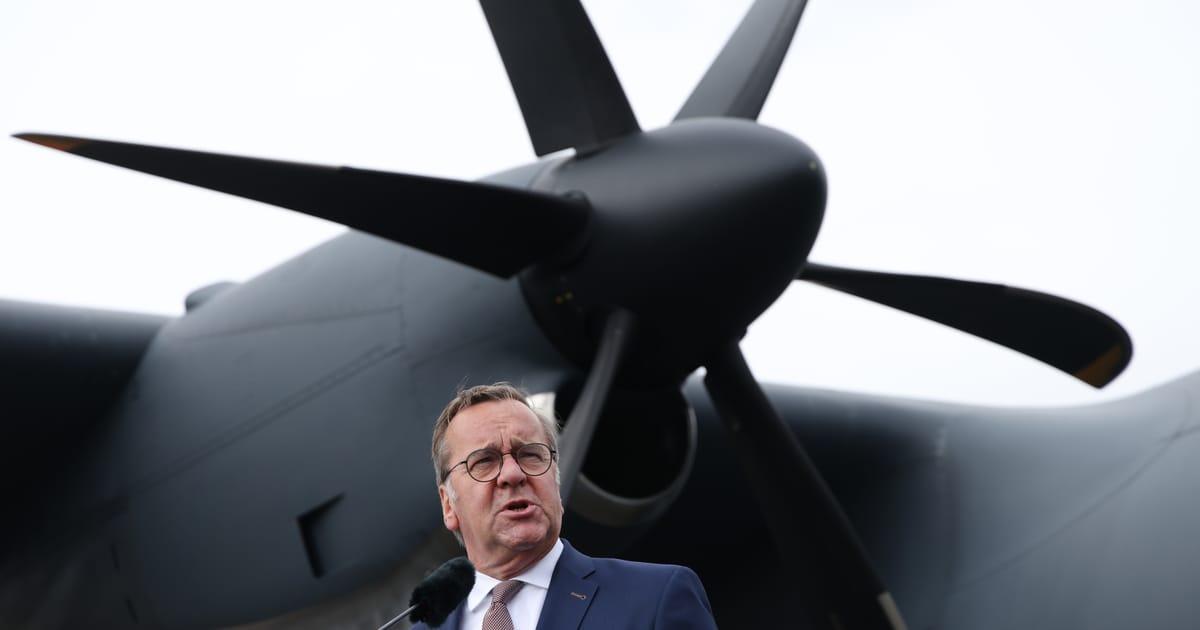
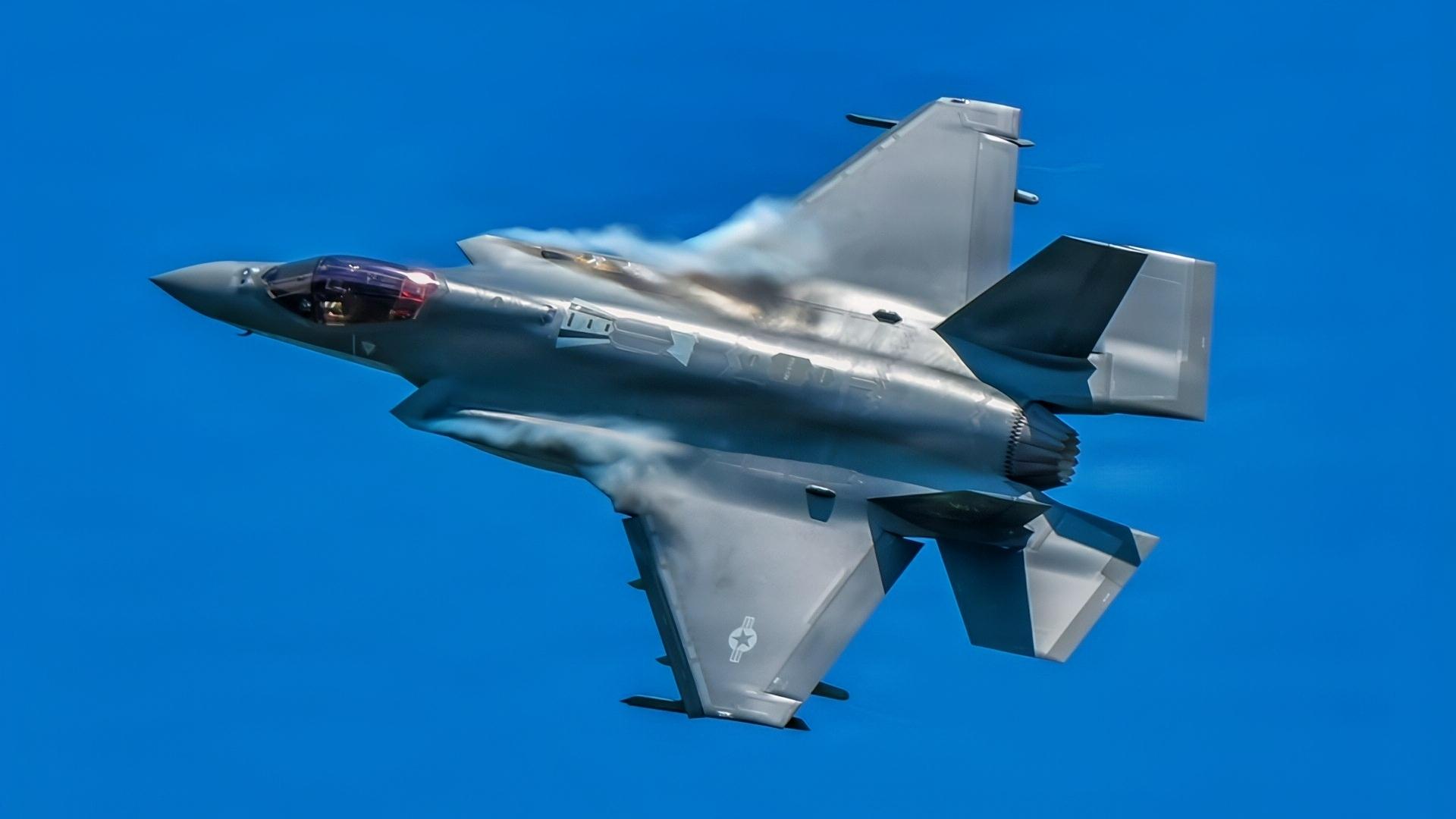
Germany’s Defense Minister Boris Pistorius attended a ceremony at Lockheed Martin’s facility in Fort Worth, Texas, on September 18 to receive the first F-35A Lightning II for the German Air Force, marking the formal rollout of the first of 35 F-35As Germany ordered. The aircraft, designated 35+01 by the German Air Force, had already completed its maiden flight from Fort Worth on September 8, and Pistorius called the moment a milestone for the Bundeswehr.
DIE WELT said the first eight F-35 fighter jets for the German Air Force will initially stay in the United States for training, with the first aircraft stationed at Büchel air base in the Eifel from 2027 to replace Tornados. POLITICO.eu reported that German pilots and technicians will prepare for operations before more jets are sent to Büchel in late 2027, with full operational capability expected by 2030.
Nuclear sharing and Europe’s gap
The handover is tied to Germany’s NATO nuclear-sharing role, with POLITICO.eu quoting Pistorius saying, “We want and need to maintain nuclear sharing,” and that the F-35 is currently “the only aircraft in the world” capable of fulfilling that mission. DIE WELT said the F-35 is intended to replace the Tornados and safeguard Germany’s so-called nuclear involvement, noting that since 1958 the Bundeswehr has been authorized, in an emergency, to use U.S. atomic warheads stationed at Büchel in Rhineland-Palatinate on behalf of Washington.
POLITICO.eu linked the timing to the collapse of the Franco-German-Spanish Future Combat Air System fighter jet development program earlier this year, saying Berlin is now debating what will follow the U.S.-built jet. In that context, POLITICO.eu reported that Pistorius is weighing whether to expand the initial €10 billion order of 35 American jets, including options such as additional F-35s as a “bridge” after FCAS or other sixth-generation pathways.
What comes next for Berlin
POLITICO.eu reported that Germany is considering buying 15 additional jets to boost the number of F-35s, while also quoting BDLI managing director Marie-Christine von Hahn saying, “Europe’s air forces need their own wings,” and “In Germany in particular, we must continue to be capable of developing, building, maintaining and upgrading combat aircraft ourselves.” DIE WELT said the F-35 procurement is also meant to “expand our ability to defend our country,” and described Pistorius saying “We are demonstrating our resolve against aggression,” referring to Russia.
DIE WELT added that Germany’s Tornados must be retired by the end of the decade due to age-related fatigue, and that the F-35s are to follow them, with training beginning in Arkansas on December 10. POLITICO.eu said Berlin currently operates around 80 Tornados and that some missions will migrate to the Eurofighter Typhoon, while it continues to debate how deeply domestic companies will be integrated into maintenance and future support for the F-35.