Full story
Transit rules tighten
Brazil will tighten transit rules starting this Monday, August 26, for people arriving at Brazilian airports without an entry visa and destined for other countries, requiring them to continue their journey or return to their point of origin.
“The route of Cuban migrants through the Brazilian Amazon, as they reach cities such as Goiânia, São Paulo, Curitiba, Florianópolis, and Joinville, is marked by a clandestine atmosphere, noticeable when routes are retraced and when the passage points for the groups determined to cross are sought”
The Brazilian government says the measure aims to prevent abuse of asylum requests, including passengers abandoning a connecting flight, staying at the airport, and seeking asylum to enter the South American country.

The Ministry of Justice stated in a press release that the new measure is legal and aims to combat human trafficking and protect access to asylum for those who actually express their interest in seeking international protection.
The Federal Police conducted investigations and concluded that criminal organizations advise migrants, mainly from Asian countries, to seek asylum instead of obtaining an entry visa.
At Guarulhos International Airport (São Paulo), the number of asylum requests rose from 69 in 2013 to 4,239 in 2023 and 6,329 between January and August of this year.
Amazon exploitation links
An investigative report on The Intercept's website says contacts between Brazilian authorities and Republican Party lobbyists have been established with the aim of investing in the exploitation of the Amazon rainforest.
The report says the plan involves selling land for the benefit of agribusiness or mining, tying the alleged political contacts to potential expansion of extractive and agricultural interests.
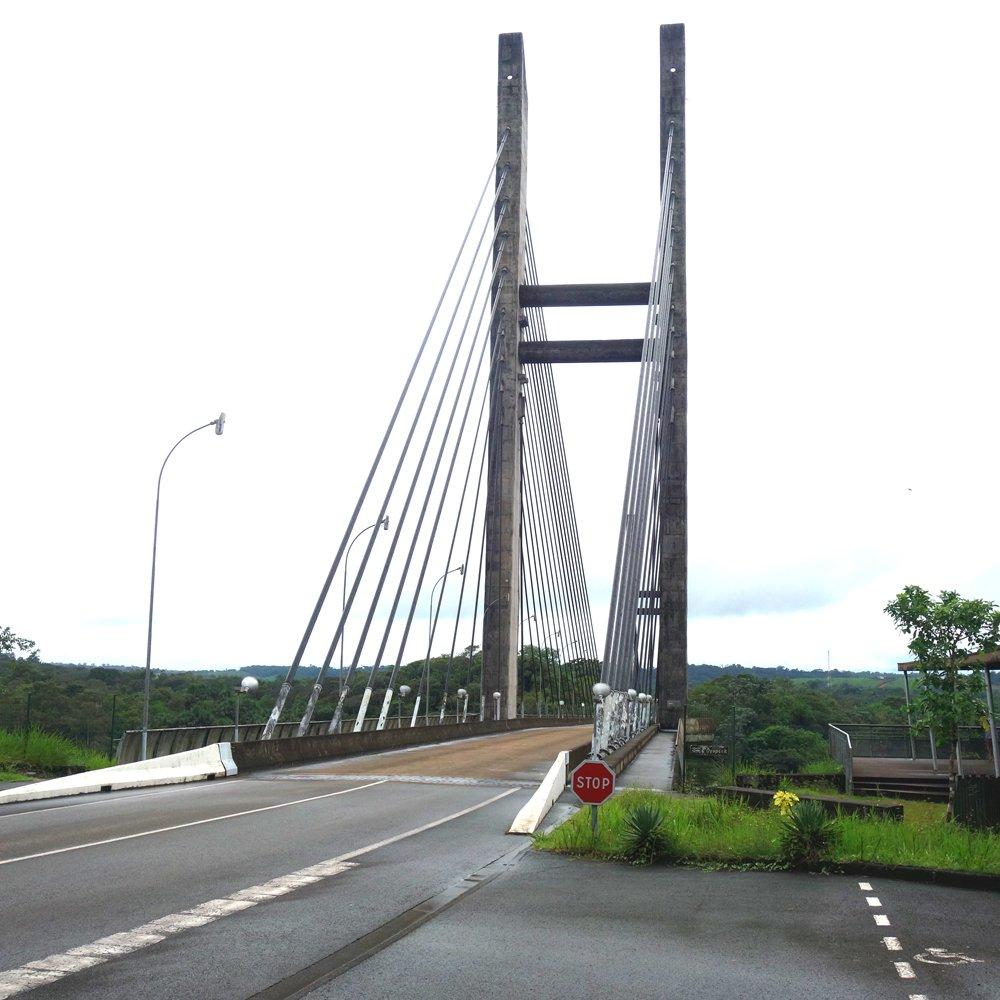
Separately, Folha de S.Paulo describes a clandestine route for Cuban migrants through the Brazilian Amazon, reaching cities such as Goiânia, São Paulo, Curitiba, Florianópolis, and Joinville.
Folha says the logistics network that handles the movements is labeled criminal by the Federal Police and includes suspects in Cuba, Suriname, French Guiana, and Brazil.
Folha adds that the network deliberately makes the journey more tense, riskier, and hidden, while migrants may hold the refugee-request protocol after passing through a Federal Police unit in the border region.
Amapá extortion network
In Amapá, a Federal Police inquiry identified 20 pirateiros operating in the transport of Cuban migrants from entry into Brazilian territory at Oiapoque, described as one of the most decisive hubs in the criminal organization’s operation.
“This is an investigative report on The Intercept's website”
 RFI
RFIFolha de S.Paulo reports that a single picapeiro moved R$ 8 million in an atypical way over two years, while migrants were left along the route between Oiapoque and Santana for refusing to pay exorbitant fares charged for transport.
The transport fares reached US$ 350 (about R$ 1,800), and Folha says drivers were armed, with constant threats, while scouts on motorcycles followed the picapes to keep the transport clandestine.
Folha also says the Federal Police detected four forms of operation that changed over time, including filing refugee requests with identical justifications and destination addresses, with one address described as an abandoned house in Curitiba.
The Federal Police launched an operation in September 2025 to deepen investigations and curb exploitation of migrants entering Brazil via Amapá, with flows subsiding the following month and returning to normal levels by November.