Brussels Conference Calls To Open Gaza Maritime Corridor, Urges Europe To Suspend Partnership With Israel
Key Takeaways
- International conference in Brussels calls for a humanitarian sea corridor to Gaza.
- Hundreds of participants from around the world attended, including parliamentarians, politicians, activists.
- The event occurred amid a Gaza humanitarian crisis.
Brussels conference and flotilla
A parliamentary conference in Brussels is calling for the opening of a maritime corridor to Gaza and for Europe to suspend its partnership with Israel, as the Global Fleet of Resilience sails through the Mediterranean toward the shores of Gaza.
“Brussels, the Belgian capital, hosts today, Wednesday, the first parliamentary conference in support of the Global Fleet of Resilience, in an event that brings together hundreds of parliamentarians, politicians, and activists from around the world, as the Global Fleet of Resilience sails through the Mediterranean toward the shores of Gaza”
The event, described as the “first parliamentary conference in support of the Global Fleet of Resilience,” is taking place in Brussels, the Belgian capital, and is bringing together “hundreds of parliamentarians, politicians, and activists from around the world.”

The Al-Jazeera Net report says the conference is taking place amid “a choking humanitarian crisis in the Gaza Strip,” citing “the ongoing Israeli blockade of the territory” and “violations by the occupying army of the ceasefire that has been in effect since October of last year.”
It adds that the Spanish city of Barcelona witnessed the fleet’s launch on “April 12,” and that “around 20 boats” sailed from the port of Marseille “a few days earlier.”
The same report says the flotilla is making its way toward Italy, with a voyage “expected to last about two weeks before reaching Gaza's shores.”
In parallel, the Saba report says Anwar al-Gharbi announced the issuance of an international declaration from Brussels calling for the opening of a humanitarian sea corridor to the Gaza Strip, describing the conference as attended by “approximately 400 individuals.”
Saba further states that the conference included “members of the European Parliament and the Swiss and British Parliaments,” along with representatives from “more than 30 countries,” all supporting efforts to break the siege on the Gaza Strip.
Declaration and legal initiative
The conference’s organizers frame their Brussels Declaration as a political instrument aimed at forcing legal and policy changes, including a “UN-approved humanitarian maritime corridor” based on “international law.”
Al-Jazeera Net says the declaration enshrines “the Palestinian people's right to free access to its waters and lands” and “their right to lead the reconstruction process away from the dictates of foreign powers,” while also rejecting “the precedent of letting powerful states escape accountability.”
It describes the conference’s five sessions as covering “humanitarian needs and service collapse,” “the role of civil society when regimes fail,” and “public policy tools to stop the transfer of weapons and trade with the occupation,” alongside “the parliamentary role in achieving accountability and ending impunity.”
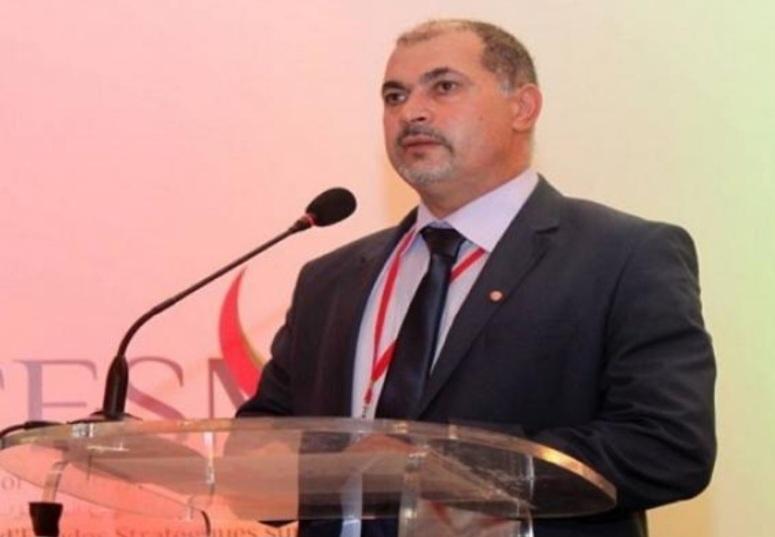
In exclusive remarks from Brussels, Omar Faris, head of the Social-Cultural Association for Palestinians in Poland, described the conference as “an important event that calls for continuing pressure on the Zionist entity, and a step toward preventing the whitewashing of Israel.”
Faris also said he wants “the world to know that Gaza remains under siege,” adding that “the Palestinian people face daily aggression by settlers.”
The Saba report attributes the issuance of the declaration to Anwar al-Gharbi, President of the Geneva Council for Human Rights, who told Sanad News Agency that the declaration came at the conclusion of the conference.
Saba says al-Gharbi also announced “the launch of an international legal initiative involving hundreds of lawyers from approximately 50 countries,” aimed at “prosecuting those responsible for violations against Palestinians.”
It adds that the declaration would be addressed to “European, Western, and international parliaments” to pressure for “the opening of a permanent humanitarian maritime corridor and an end to the ‘illegal blockade’ imposed on the Gaza Strip.”
Voices from the conference
Speakers and participants at the Brussels conference connect the maritime effort to political pressure inside European institutions, while also describing personal experience with interception at sea.
“Brussels, the Belgian capital, hosts today, Wednesday, the first parliamentary conference in support of the Global Fleet of Resilience, in an event that brings together hundreds of parliamentarians, politicians, and activists from around the world, as the Global Fleet of Resilience sails through the Mediterranean toward the shores of Gaza”
Al-Jazeera Net says Omar Faris participated in last year’s fleet and was “among those detained when the Israeli navy intercepted the fleet in international waters,” adding, “I met a group of those who were with me in last year’s Global Fleet of Resilience when we were seized in international waters.”
Faris told Al Jazeera Net that “We want the world to know that Gaza remains under siege,” and he said “the Palestinian people face daily aggression by settlers.”
The report also names Francesca Albanese, the UN Special Rapporteur, Mustafa Barghouti, head of the Palestinian Initiative, and Spanish Minister of Youth Sira Rego as prominent figures taking part in conference activities.
It says Sira Rego focused remarks on “continuing the boycott of the occupation and pressuring European governments and the European Union to cancel the Partnership Agreement with Israel,” while also detailing “the daily violations in Gaza and the West Bank by the occupation and settlers.”
Al-Jazeera Net describes messages from participants as extending beyond the conference halls, with Faris saying, “At five o'clock (local time) after the conference ends, a march toward the European Parliament will be launched to press for cutting relations with Israel.”
The Saba report similarly frames the conference as support for activists participating in maritime movements, saying the conference was dedicated to supporting “the international activists participating in the maritime movements to break the siege, whose numbers exceeded 1,000.”
It also states that al-Gharbi said preparations are underway for a flotilla “comprising between 110 and 120 ships,” with the aim of delivering humanitarian aid and establishing a permanent sea corridor.
Numbers and flotilla logistics
While the Brussels conference proceeds, Al-Jazeera Net reports details from aboard the flotilla in the Mediterranean, including how many ships are already heading toward Italy and how many additional ships are expected to join.
In exclusive remarks to Al Jazeera Net from aboard one of the flotilla's ships in the Mediterranean, the spokesperson Saif Abu Kashk said, “38 ships are currently heading toward Italy, and 25 more ships with 200 people on board will join them.”
The report says Abu Kashk emphasized that the aim goes beyond breaking the blockade, describing the effort as “challenging the routes by which weapons and raw materials involved in its manufacture reach the occupation, in addition to exposing the companies and countries complicit with it.”
Al-Jazeera Net also states that the maritime operation is “the largest civilian mission heading toward Palestine,” and that it is expected to sail with “more than 1,000 activists from various countries,” with “about 100 ships and boats” participating.
The Saba report provides a different but related planning figure, saying preparations are underway to organize a large flotilla to Gaza “comprising between 110 and 120 ships.”
It also says the conference saw participation of “approximately 400 individuals,” while the maritime movements it supports involve activists “whose numbers exceeded 1,000.”
The two accounts therefore align on the scale of the activist presence, while differing on the ship count: Al-Jazeera Net cites “38 ships” heading toward Italy plus “25 more ships,” and also describes “about 100 ships and boats,” while Saba cites a planned flotilla of “between 110 and 120 ships.”
Both reports also tie the maritime corridor demand to a permanent legal and political outcome, with Saba saying the declaration would be addressed to parliaments to pressure for “the opening of a permanent humanitarian maritime corridor.”
Europe, partnership, and pressure
The conference and its declaration explicitly target Europe’s relationship with Israel, linking the maritime corridor campaign to demands for political and legal changes.
“Brussels, the Belgian capital, hosts today, Wednesday, the first parliamentary conference in support of the Global Fleet of Resilience, in an event that brings together hundreds of parliamentarians, politicians, and activists from around the world, as the Global Fleet of Resilience sails through the Mediterranean toward the shores of Gaza”
Al-Jazeera Net says participants view the Brussels conference as “a platform for political pressure, not just a solidarity gathering,” and it describes the conference’s work as centering on the “Brussels Declaration.”
It reports that Spanish Minister of Youth Sira Rego focused remarks on “pressuring European governments and the European Union to cancel the Partnership Agreement with Israel,” while also emphasizing “continuing the boycott of the occupation.”
Al-Jazeera Net also states that the organizers argue holding the conference while the flotilla sails gives political leaders “immediate tools to influence,” including “accelerated international recognition of a maritime corridor to Gaza” and “the enactment of legislation to stop the transfer of weapons to Israel.”
In the same report, Omar Faris said the conference calls for “continuing pressure on the Zionist entity,” and he described it as “a step toward preventing the whitewashing of Israel.”
The report also says the conference is taking place amid “ongoing Israeli blockade of the territory” and “violations by the occupying army of the ceasefire that has been in effect since October of last year,” framing the political pressure as a response to those conditions.
Saba’s report complements this by saying the declaration would be addressed to “European, Western, and international parliaments” to pressure for “an end to the ‘illegal blockade’ imposed on the Gaza Strip.”
It also says the legal initiative announced in Brussels involves “hundreds of lawyers from approximately 50 countries,” aimed at prosecuting those responsible for “violations against Palestinians.”
More on Gaza Genocide
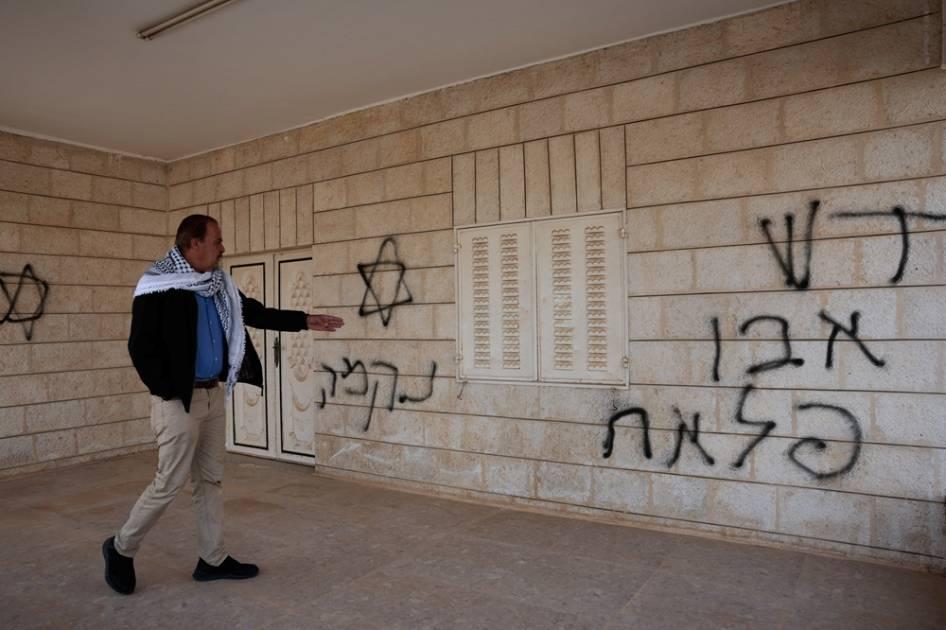
Israeli Settlers and Soldiers Kill Aws Al-Naasan, 14, and Jihad Abu Naim in al-Mughayyir
22 sources compared
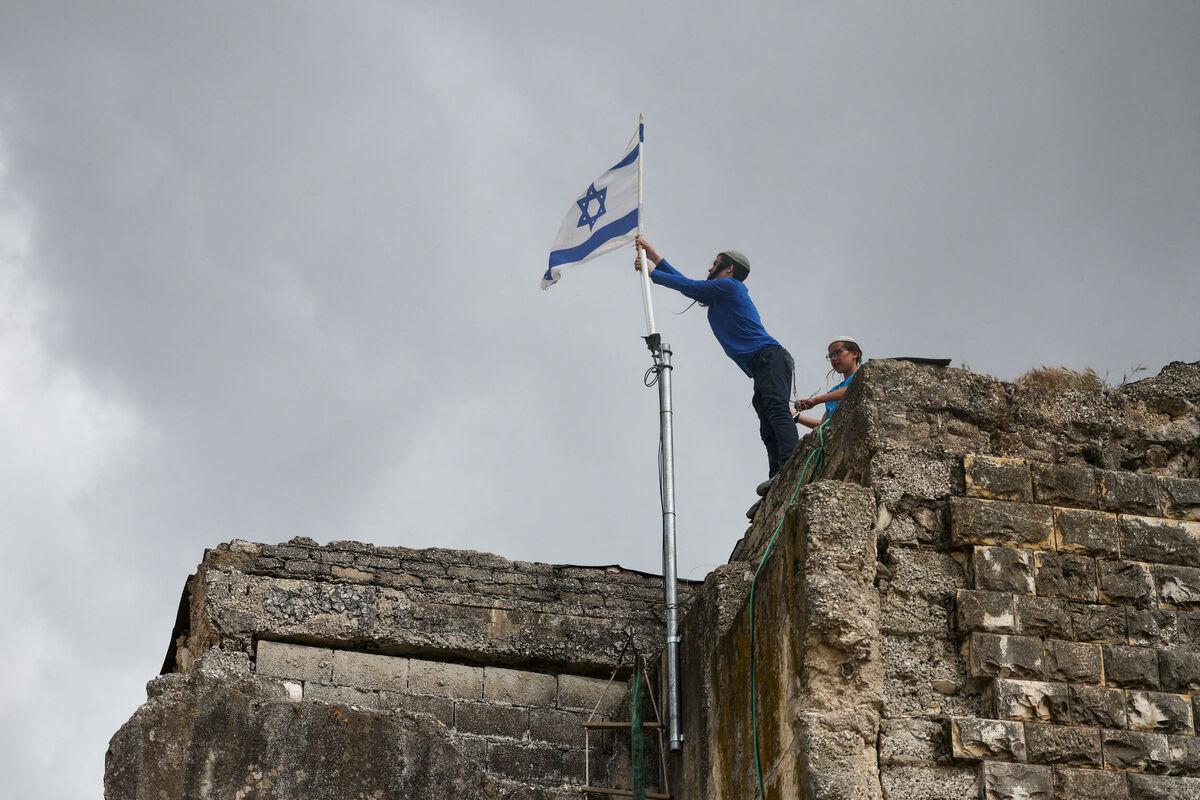
Spain, Ireland, and Slovenia Push to Suspend EU-Israel Deal as Germany and Italy Block
10 sources compared

Amnesty International Says US and Israel’s Gaza War Undermines International Rights Order
14 sources compared
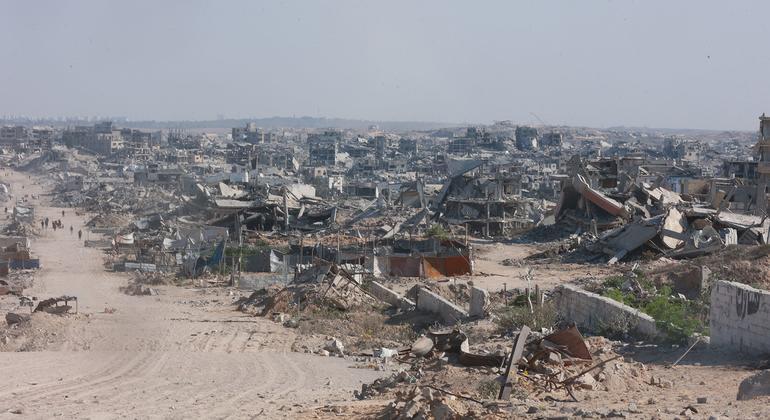
RDNA Finds Gaza Needs More Than $71 Billion Over Next Decade for Recovery
11 sources compared