Africa10 October, 20252 min read
Burkina Faso Rejects US Demand to Dump Deportees on African Soil
Burkina Faso's government rejected the US request to accept deported non-citizens. Foreign Minister Karamoko Jean-Marie Traoré called the US deportation proposal 'indecent.'
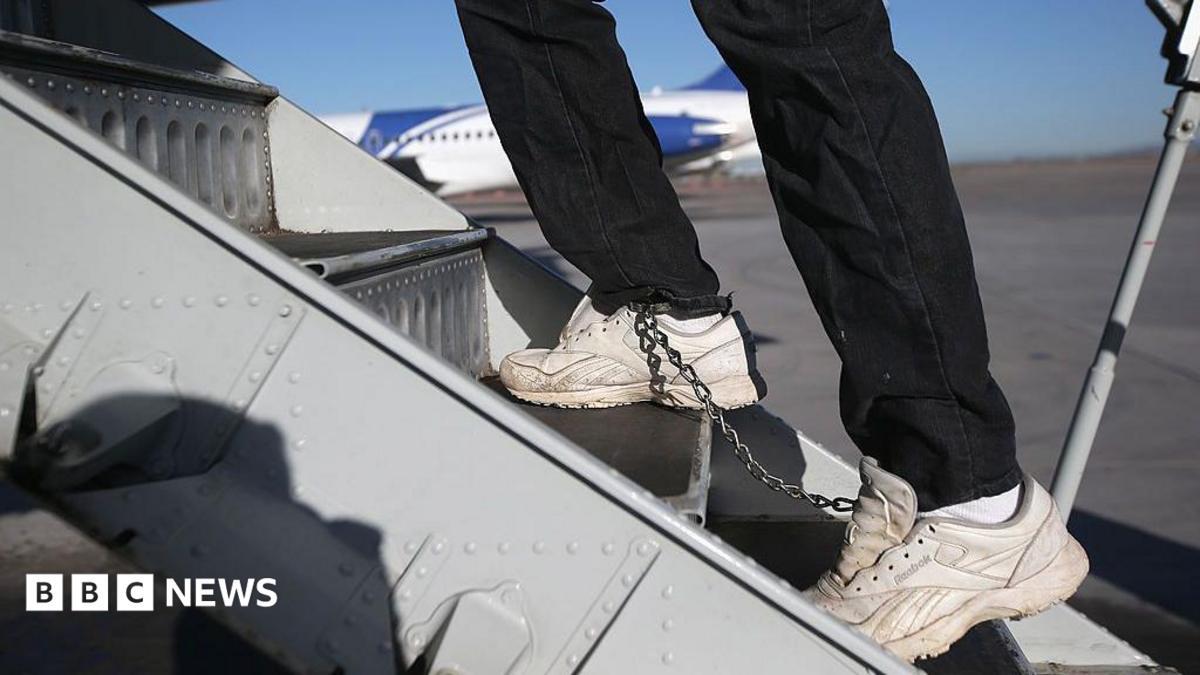
10 outlets told this the same way.
Burkina Faso Rejects U.S. Deportee Proposal
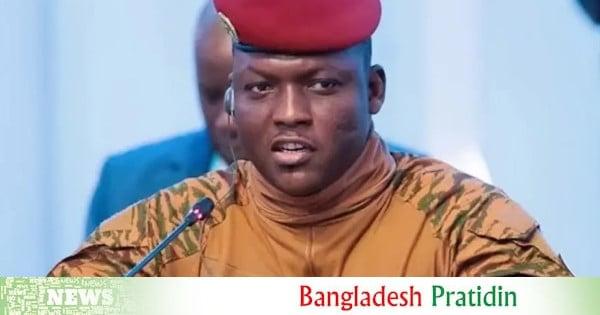
Burkina Faso’s military government publicly rejected a U.S. proposal to accept deportees from third countries, calling the offer "indecent" and an insult to national dignity.
“Burkina Faso has rejected a proposal from the Trump administration to accept deportees from the United States who are not its citizens, with Foreign Minister Karamoko Jean-Marie Traoré calling the offer ‘indecent’ and contrary to the country's values of dignity under military ruler Capt. Ibrahim Traoré.”
Foreign Minister Karamoko Jean-Marie Traoré questioned whether the U.S. embassy’s decision to suspend most visa services in Ouagadougou and redirect applicants to Togo was a form of "blackmail."
Several media outlets suggest this move could be a pressure tactic by Washington.
Reports vary on the details of the U.S. request: some say it involved only non-Burkinabe individuals, while others indicate it included both non-citizens and Burkinabe nationals.
U.S. agencies have not provided significant public comments on the matter.
Burkina Faso’s leaders link their refusal to a broader assertion of sovereignty under Capt. Ibrahim Traoré.
Third-Country Deportation Program
The dispute is part of a broader, mostly undisclosed third-country deportation program that rights groups criticize for harsh conditions and lack of transparency. Reports indicate the Trump administration arranged agreements with at least five African countries—Eswatini, South Sudan, Rwanda, Ghana, and Uganda—deporting more than 40 people since July. Human Rights Watch revealed that the U.S. provided financial incentives to some partner countries.
However, Ghana publicly clarified that accepting West African deportees does not imply support for Trump-era immigration policies and stated it received no benefits. Ghana also highlighted that the payments reported by Human Rights Watch applied to other states. U.S. officials have not provided substantive comments on this specific incident involving Burkina Faso.
Burkina Faso's Sovereignty Stance
Ouagadougou’s pushback is framed domestically as a defense of dignity and sovereignty under Capt. Ibrahim Traoré.
“Foreign Affairs Minister Karamoko Jean-Marie Traore condemned the proposal as ‘indecent’ and emphasized that Burkina Faso is a destination, not a place for expulsion.”
Burkina’s foreign minister labeled the U.S. request as “indecent.”
Local coverage and regional outlets present the country as asserting that it is a destination, not an expulsion site.
International reporting also places Traoré’s stance in a wider pan-African posture that is confrontational toward Western influence.
This posture reflects tensions that have persisted since his coup-era rise.
US Visa Service Suspension Issue
A key flashpoint is the abrupt visa service suspension by the U.S. embassy in Ouagadougou and redirection of applicants to Togo. Burkina Faso’s minister questioned if this was “blackmail,” while other reports frame it as unexplained or a possible pressure tactic. One Asian outlet adds that U.S. officials linked the pause to alleged visa regulation violations by some Burkinabe, but Washington has not formally commented on the deportee issue, keeping the precise rationale opaque.
Challenges in U.S. African Deportations
Regionally, the episode complicates U.S. removal operations in West and Central Africa. Ghana has accepted some West African deportees but emphasized that this does not indicate support for the previous U.S. administration's policy. Ghana also stated that it received no benefits for accepting the deportees, despite claims from rights groups that Washington has compensated other countries to participate.
“Meanwhile, Ghana clarified that its decision to accept West African deportees does not imply support for former President Trump's immigration policies and that Ghana received no benefits in return.”
Deportees and advocates report harsh conditions and a lack of transparency, with some pursuing legal action in Ghana. Analysts observe that Burkina Faso’s refusal to cooperate, along with its pan-African stance, limits U.S. options as it targets African countries for removals.