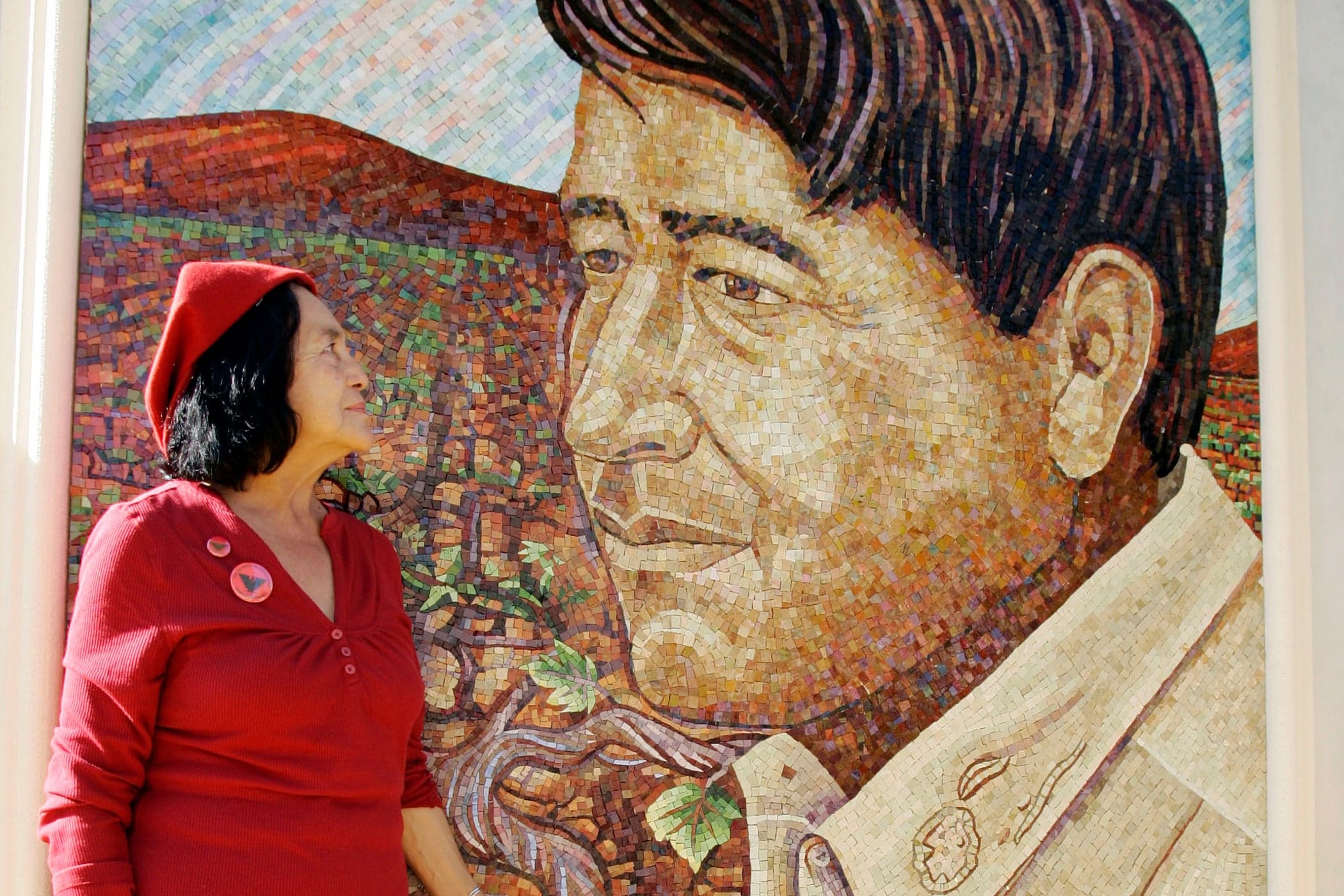
California Renames César Chávez Day Events After Sexual Abuse Allegations
Key Takeaways
- New York Times investigation alleges Chávez groomed and abused underage girls in the 1960s-70s.
- California officials and groups moved to rename, cancel, or postpone Chávez Day events statewide.
- Dolores Huerta is named among Chávez's alleged victims.
Allegations Spark State Response
The sexual abuse allegations against famed labor leader César Chávez have prompted a swift and sweeping response across California.
“California lawmakers want to rename César Chavez Day following sexual abuse allegations California lawmakers want to rename César Chavez Day following sexual abuse allegations PHOENIX (AP) — Two of California’s top lawmakers announced Thursday they want to rename César Chavez Day following stunning abuse allegations against the revered labor leader”
According to a New York Times investigation, Chávez is accused of sexually assaulting two underage girls and fellow labor leader Dolores Huerta in the 1960s-70s.
The allegations have created an outcry to erase Chávez's name from schools, parks, streets, buildings and holidays.
In response, California's legislative leaders announced they would redesignate March 31 as "Farm Workers Day" rather than continue to celebrate Chávez's legacy.
The United Farm Workers and César Chávez Foundation canceled all celebrations in light of the allegations, calling them incompatible with the movement's core values of justice and empowerment.
California Officials Act Quickly
California's response to the sexual abuse allegations against César Chávez has been swift and decisive, with state leaders taking immediate action.
Assembly Speaker Robert Rivas and Senate President pro Tempore Monique Limón announced they would pass a bill renaming César Chávez Day to "Farm Workers Day" before the end of March.

Los Angeles Mayor Karen Bass, who had once admired Chávez, signed a proclamation renaming the city's holiday as "Farm Workers Day."
Los Angeles County Supervisor Hilda Solis introduced a motion to explore renaming the county holiday, while Supervisor Janice Hahn suggested "Farmworker Day" as an alternative.
Governor Gavin Newsom signaled his support for the effort, and the California Museum announced it would remove Chávez from the state's Hall of Fame.
Nationwide Response
The fallout from the sexual abuse allegations against César Chávez has extended far beyond California.
Washington State announced it would not observe César Chávez Day this year, with Governor Bob Ferguson's office stating he looks forward to celebrating Huerta's birthday as Dolores Huerta Day.
Texas took an even stronger stance, with Governor Greg Abbott declaring the state would not honor César Chávez Day and directing state agency heads to comply.
In Nevada, officials said they were reviewing their options regarding the mandatory celebration of Chávez Day under state law.
Several cities including Grand Rapids, Michigan, and Austin, Texas, began considering renaming streets named after Chávez.
Labor Unions Respond
Community organizations and labor unions across the country have been quick to respond to the sexual abuse allegations against César Chávez.
The United Farm Workers announced it would not take part in any events named after the organization's former leader.

SEIU 503, a public employees union representing more than 70,000 workers in Oregon, stated it would "no longer continue any recognition or praise of Chávez."
In Wisconsin, Milwaukee leaders responded with statements emphasizing the accounts of survivors are "devastating" and that victims "deserve our compassion."
Community organizers in various cities began collecting signatures for petitions to rename Chávez streets and facilities.
Legacy Reckoning
The sexual abuse allegations against César Chávez have forced a painful reckoning with the legacy of the farmworker movement.
“Many of the upcoming celebrations and holidays honoring the late farmworker labor leader César Chávez are being renamed, postponed or completely canceled in the wake of allegations that he sexually abused women and girls while at the helm of the United Farm Workers Union”
Dolores Huerta, herself a victim of Chávez's abuse, has emerged as a central figure in the discussion about the movement's future.
At 95, Huerta made a shocking revelation that she had been raped by Chávez, stating "My silence ends here" after staying silent for 60 years.
Community leaders have emphasized that the farmworker movement was never just about one man.
This perspective has led to calls to shift focus from celebrating individual leaders to honoring the broader movement and its diverse contributors.
More on USA

Trump jokes about Pearl Harbor during White House meeting with Japan's prime minister
11 sources compared

Trump jokes about Pearl Harbor during Oval Office meeting with Japan's Prime Minister Sanae Takaichi
36 sources compared

César Chávez Allegedly Sexually Abused, New York Times Investigation Finds
77 sources compared

Trump administration airstrikes have vastly degraded Iran's military capabilities, says DNI Tulsi Gabbard
12 sources compared