
Trump jokes about Pearl Harbor during White House meeting with Japan's prime minister
Key Takeaways
- Trump joked about Pearl Harbor during a White House meeting with Japan's prime minister.
- The joke followed a reporter's question about not warning allies about Iran strike.
- Some coverage framed the remark as a parallel to U.S. strikes on Iran.
Meeting Context
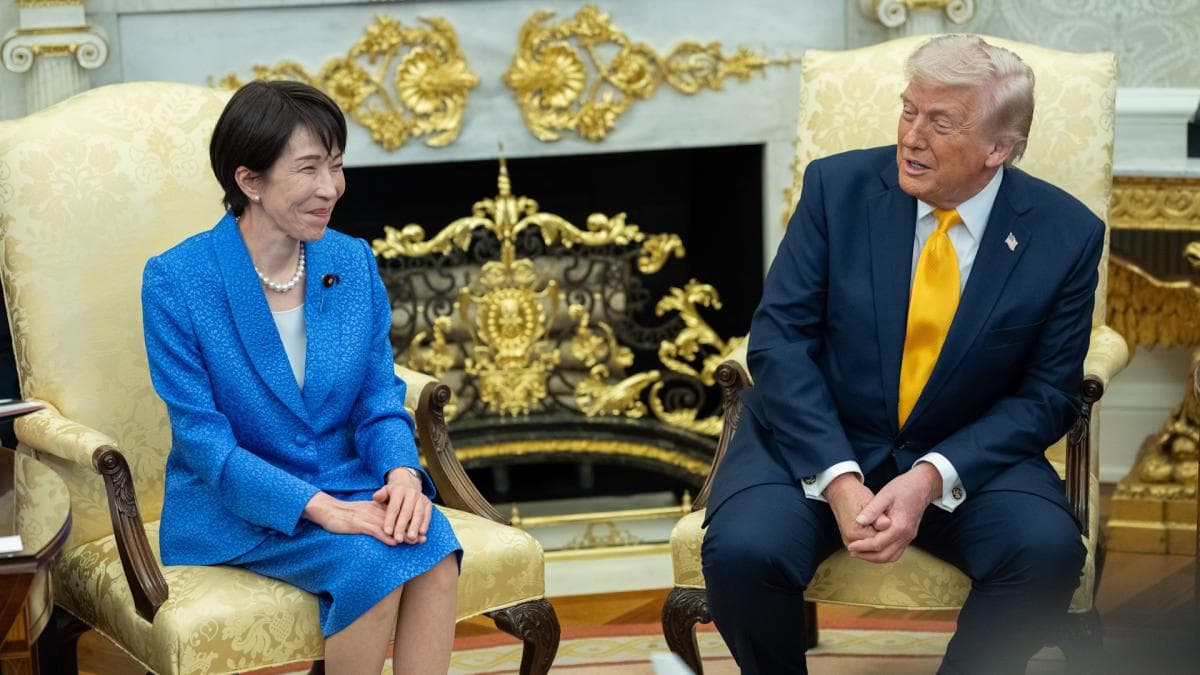
During a White House meeting with Japanese Prime Minister Sanae Takaichi on March 19, 2026, President Donald Trump faced questions about his decision to launch a military strike against Iran without informing allies.
“The American president, Donald Trump, has met with his Japanese counterpart, Sanae Takaichi, at a press conference where Trump asserted that he asked Israeli Prime Minister Benjamin Netanyahu not to attack Iran's energy facilities, something the Israeli did not accept”
The meeting took place as Trump was seeking international support for the ongoing U.S. and Israel's war with Iran, particularly encouraging Japan to help defend the Strait of Hormuz from Iranian threats.

When a Japanese reporter asked why Trump didn't consult or inform American allies like Japan before ordering the initial February 28 attack on Iran, Trump responded that he wanted to maintain the element of surprise in military operations.
The Pearl Harbor Joke
In response to the question about Iran, Trump made an off-color joke that referenced Japan's 1941 attack on Pearl Harbor.
'We didn't tell anyone about it, because we wanted surprise,' Trump said, before attempting humor with the comment: 'Who knows better about surprise than Japan? Why didn't you tell me about Pearl Harbor?'

The remark was delivered in the Oval Office during a joint press conference, and Trump continued by saying 'You believe in surprise, I think, much more so than us.'
This comment drew uncomfortable laughter from some attendees while others fell silent at the historical reference.
Japanese Reaction
Prime Minister Sanae Takaichi's reaction to Trump's joke was immediate and visible, showing clear discomfort.
“Listen to this article Audio generated with Google AI 0:00 / 0:00 Diplomacy is rarely straightforward with Donald Trump”
According to multiple accounts, Takaichi's smile dropped after Trump's comment and she appeared to take a slow, deep breath.
One source described how she 'widened her eyes and shifted in her chair as she listened, through an interpreter, to Trump's allusion to one of the most traumatic episodes in the history between the two countries.'
Her body language suggested shock and awkwardness, with some observers noting 'a shadow of a smirk seemed to cross the face of the Japanese prime minister, who simply leaned back in her chair.'
The Japanese delegation showed visible signs of discomfort throughout the exchange.
Diplomatic Backlash
Trump's Pearl Harbor joke sparked immediate diplomatic criticism and sparked a cascade of reactions across political and diplomatic circles.
In Washington, several Democratic lawmakers and international analysts described the words as 'a historical lack of respect' and 'a first-rate diplomatic blunder.'
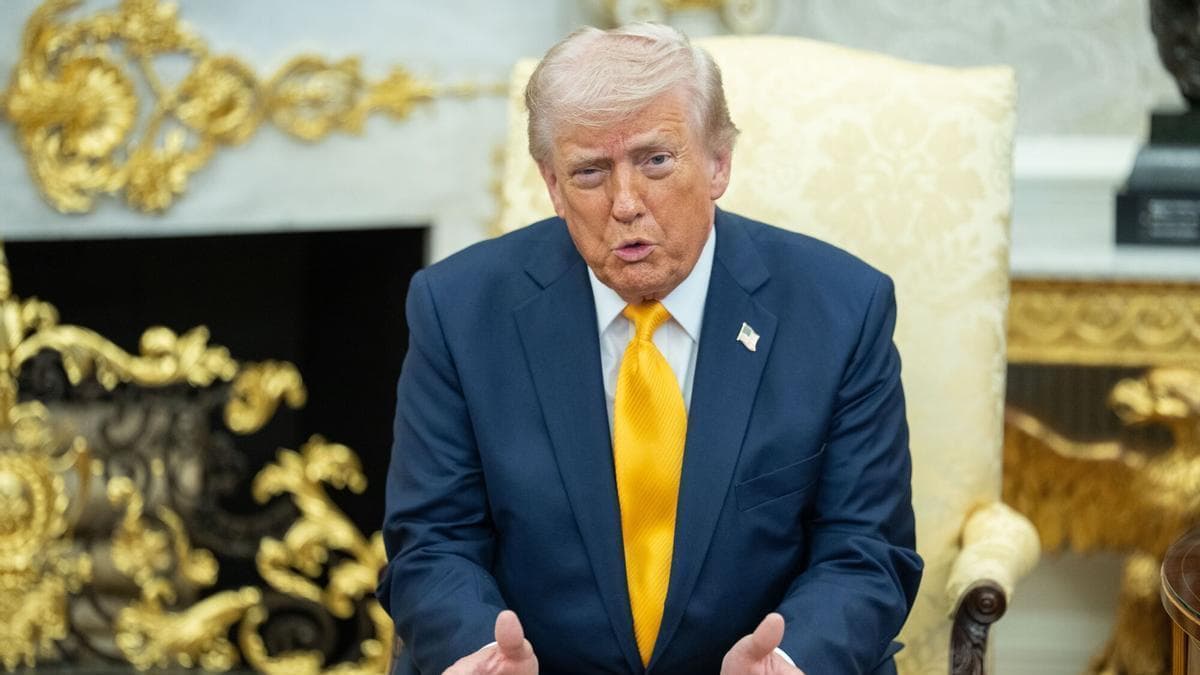
Even among Trump's former advisers, there was reported bewilderment, with one noting that 'Trump tends to turn any question into a provocation.'
From Tokyo, sources in the Japanese government remained cautious but firm in their response, stating that 'Japan remains committed to cooperation and mutual respect among allies.'
The remark also spread quickly on social media, drawing widespread condemnation for its insensitivity and historical inappropriateness.
Historical Context
The historical context of Trump's joke centered on the December 7, 1941, attack on Pearl Harbor, one of the most traumatic episodes in American and Japanese history.
“Tensions between the United States and Japan over the war with Iran have continued to be evident during the visit of Prime Minister Sanae Takaichi to President Donald Trump at the White House, even though she praised Japan for responding to his call for support in the war effort”
The surprise attack by the Empire of Japan on the U.S. Navy base in Hawaii killed more than 2,400 Americans and propelled the United States into World War II.
For many Japanese, the attack on Pearl Harbor is viewed as a mistake that only brought destruction to their country, culminating in Japan's surrender in 1945 after being the target of the first and only atomic bombs used in warfare in Hiroshima and Nagasaki, which caused approximately 214,000 deaths.
Trump's reference to this historical event in a diplomatic context demonstrated a lack of sensitivity to the complex and painful shared history between the two nations.
Regional Tensions
The incident occurred amid broader tensions in U.S.-Japan relations and escalating regional conflicts.
Trump's remark came as the U.S. was actively seeking Japanese support for military operations in the Middle East, particularly regarding the defense of the Strait of Hormuz.
During the same press conference, Trump also made controversial statements about the Iran conflict, claiming that he had 'annihilated Iran's navy, air force, and infantry,'
adding that 'even its leaders we have annihilated and the leaders they chose to replace those we annihilated, and we have also finished them off and those who come after them will too.'
This inflammatory language, combined with the Pearl Harbor joke, created a complex diplomatic moment that highlighted the challenges of maintaining traditional alliances while pursuing aggressive military strategies.
More on USA
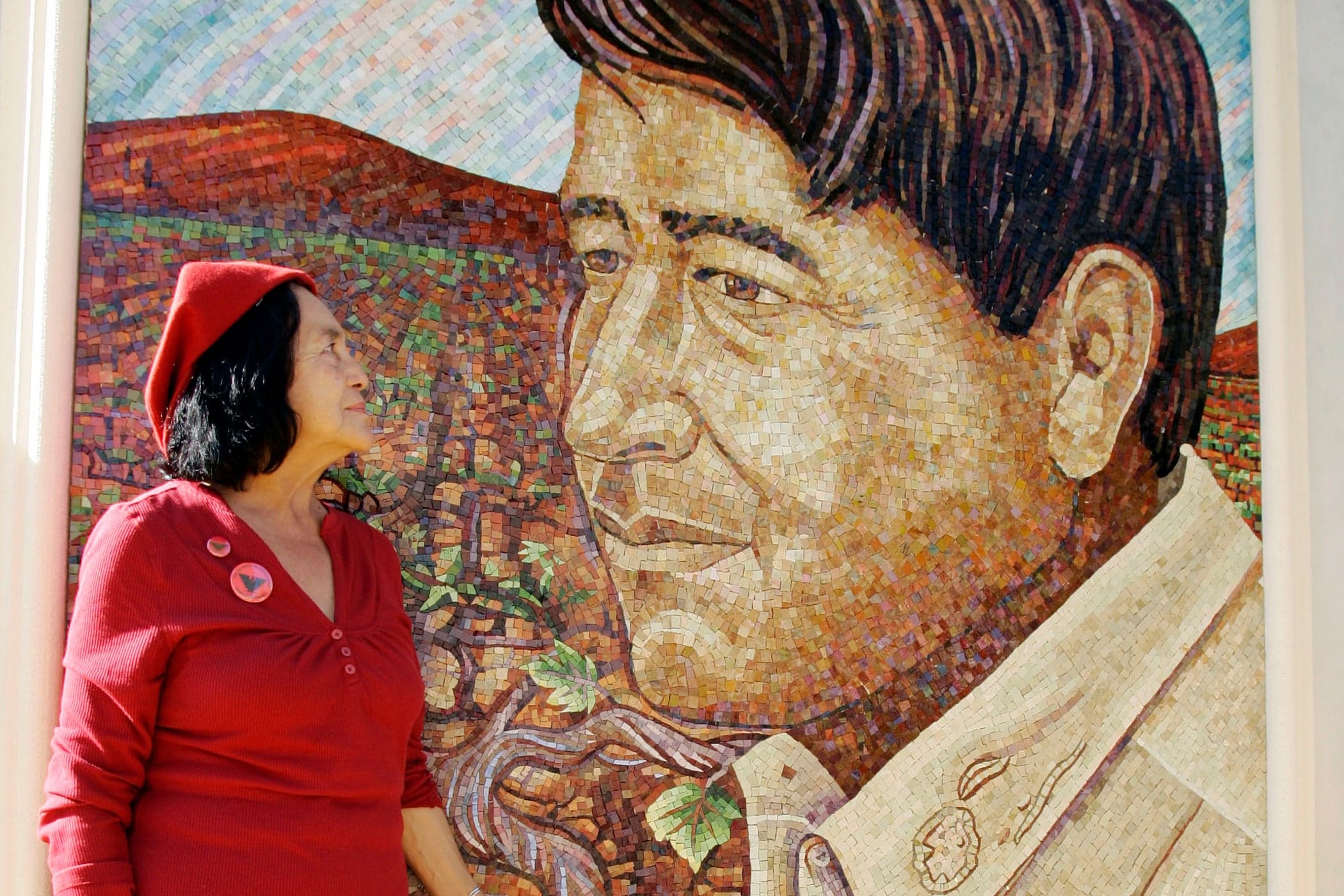
California Renames César Chávez Day Events After Sexual Abuse Allegations
10 sources compared
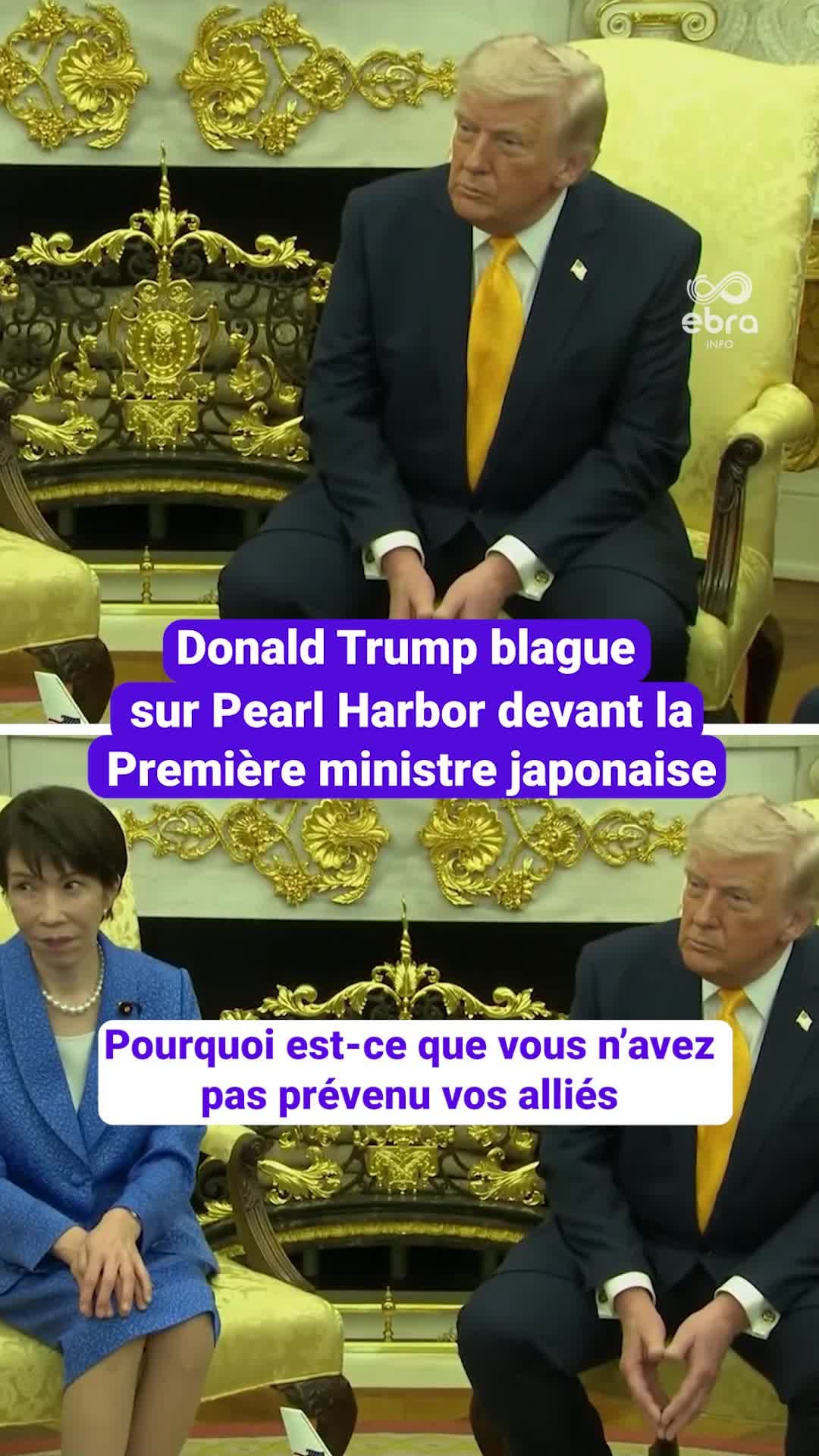
Trump jokes about Pearl Harbor during Oval Office meeting with Japan's Prime Minister Sanae Takaichi
36 sources compared

César Chávez Allegedly Sexually Abused, New York Times Investigation Finds
77 sources compared
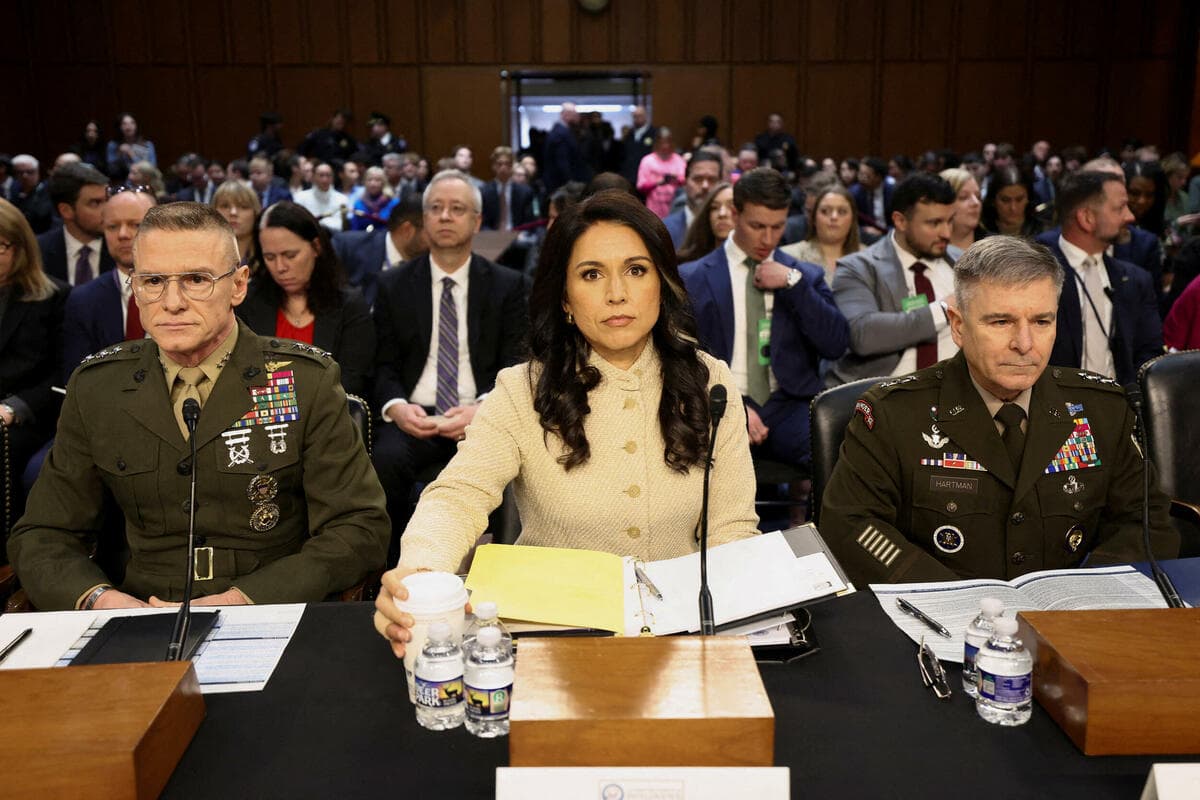
Trump administration airstrikes have vastly degraded Iran's military capabilities, says DNI Tulsi Gabbard
12 sources compared