
César Chávez Allegedly Sexually Abused, New York Times Investigation Finds
Key Takeaways
- New York Times investigation alleges Chávez abused girls and Dolores Huerta.
- States and cities consider renaming César Chávez Day or canceling celebrations.
- The United Farm Workers said it will not participate in César Chávez Day commemorations.
Investigation Findings
A bombshell New York Times investigation published on March 18, 2026, has revealed that the revered civil rights and labor leader César Chávez allegedly sexually abused multiple women and girls over several decades.
“Alex Padilla also said he plans to rework legislation that would establish a Chavez National Park”
The extensive investigation included interviews with more than 60 witnesses and analysis of hundreds of pages of union records, confidential emails, photographs, and audio recordings of UFW board meetings.

The newspaper found that Chávez used his position of power at the United Farm Workers union to exploit female members, with the abuse spanning from the 1960s through the 1970s.
The investigation has sent shockwaves through communities that have long celebrated Chávez as a champion for farmworkers and civil rights.
These revelations are forcing a painful reckoning with the legacy of one of America's most iconic Latino leaders.
Huerta's Testimony
Among the most shocking revelations is the testimony of Dolores Huerta, Chávez's longtime organizing partner and co-founder of the United Farm Workers.
Huerta broke her silence after 60 years to disclose that she had been sexually abused by Chávez.
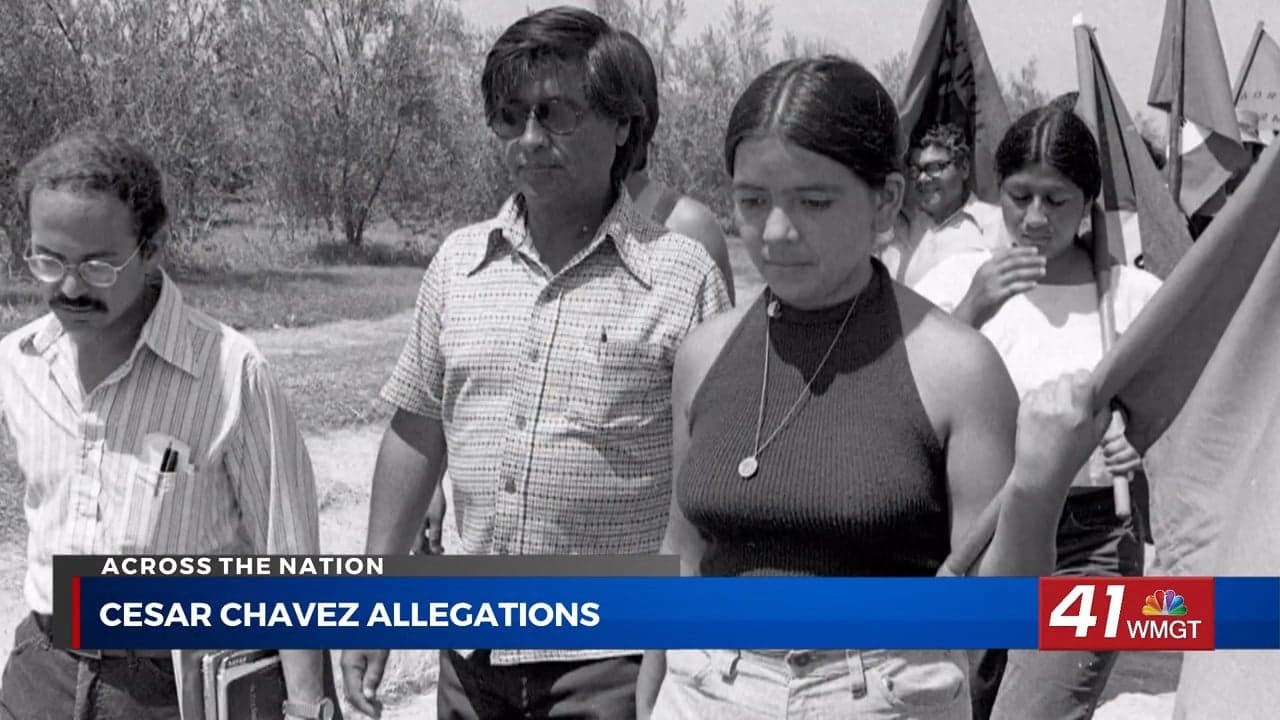
Huerta, now 95, described two sexual encounters in the 1960s - one where she was 'manipulated and pressured' into having sex with him.
Another encounter was described as 'forced, against my will, and in an environment where I felt trapped.'
Both encounters resulted in pregnancies that Huerta kept secret, arranging for the children to be raised by other families.
Huerta explained she stayed silent because 'building the movement and securing farmworker rights was my life's work.'
She only came forward after learning that Chávez had hurt other women.
Additional Victim Testimonies
The investigation also detailed allegations from two additional women who came forward with accounts of abuse when they were minors.
“The allegations that very young women or girls may have been victims are devastating,' the union said in a statement”
Ana Murguía, now in her 60s, alleged that Chávez began sexually abusing her when she was 13 years old and he was approximately 45.
According to Murguía's testimony, the abuse continued over a four-year period with 'dozens' of sexual encounters, though she stated there was no intercourse.
The trauma was so severe that Murguía attempted suicide multiple times by the time she turned 15.
Another woman, Debra Rojas, alleged that Chávez touched her inappropriately when she was 12 and had sexual relations with her for the first time when she was 15.
Both women were daughters of longtime UFW organizers who had worked alongside Chávez.
The New York Times reported that it found corroborating evidence, including a letter written by Rojas to Chávez when she was a teenager.
Institutional Responses
The allegations have triggered an immediate and widespread institutional response across the United States.
The United Farm Workers union, which Chávez co-founded, quickly distanced itself from its founder.

The union announced it would not participate in any events commemorating César Chávez Day on March 31.
The UFW called the allegations 'deeply troubling' and 'incompatible with the values of our organization.'
Similarly, the César Chávez Foundation expressed being 'deeply shocked and saddened' by the 'disturbing allegations'.
Political leaders have also responded, with California Governor Gavin Newsom acknowledging that 'no one' knew about the incident.
Texas Governor Greg Abbott announced the state would not observe César Chávez Day and would work to remove it from state law.
Institutions have begun removing Chávez memorials, with Fresno State University announcing plans to remove a statue from campus.
Legacy Reckoning
The revelation of Chávez's alleged sexual abuse has sparked a profound reckoning with his legacy and the broader farmworker movement.
“The Times detailed an extensive pattern of alleged misconduct”
While many acknowledge that Chávez's actions are indefensible, there is a consensus that the farmworker movement was never just about one individual.

Organizations like Voto Latino and LULAC have emphasized that 'the farmworker movement is much bigger than any individual'.
They note that 'the women who organized, marched, and sacrificed alongside farmworkers carried this movement on their backs.'
Analysts see this moment as an opportunity to lift up women who were subject to power dynamics.
As Miriam Pawel explained, 'There were abusive behaviors within the union, but people did not speak up because they believed the union was the best way to protect farm workers.'
The challenge now is to reconcile Chávez's historical contributions with the horrific allegations of abuse.
This may involve shifting focus from the man to the movement itself.
More on USA

Trump jokes about Pearl Harbor during White House meeting with Japan's prime minister
11 sources compared
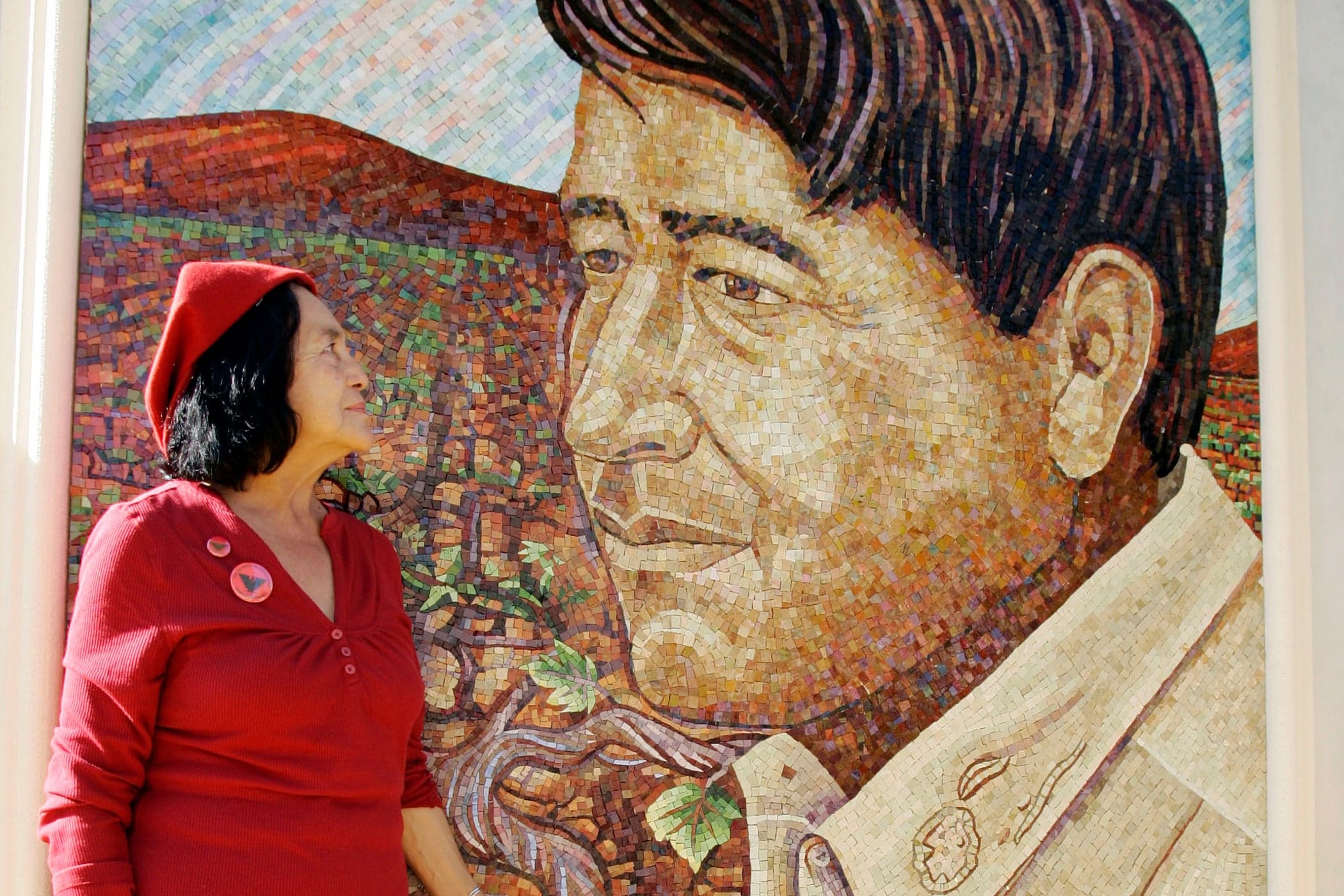
California Renames César Chávez Day Events After Sexual Abuse Allegations
10 sources compared

Trump jokes about Pearl Harbor during Oval Office meeting with Japan's Prime Minister Sanae Takaichi
36 sources compared
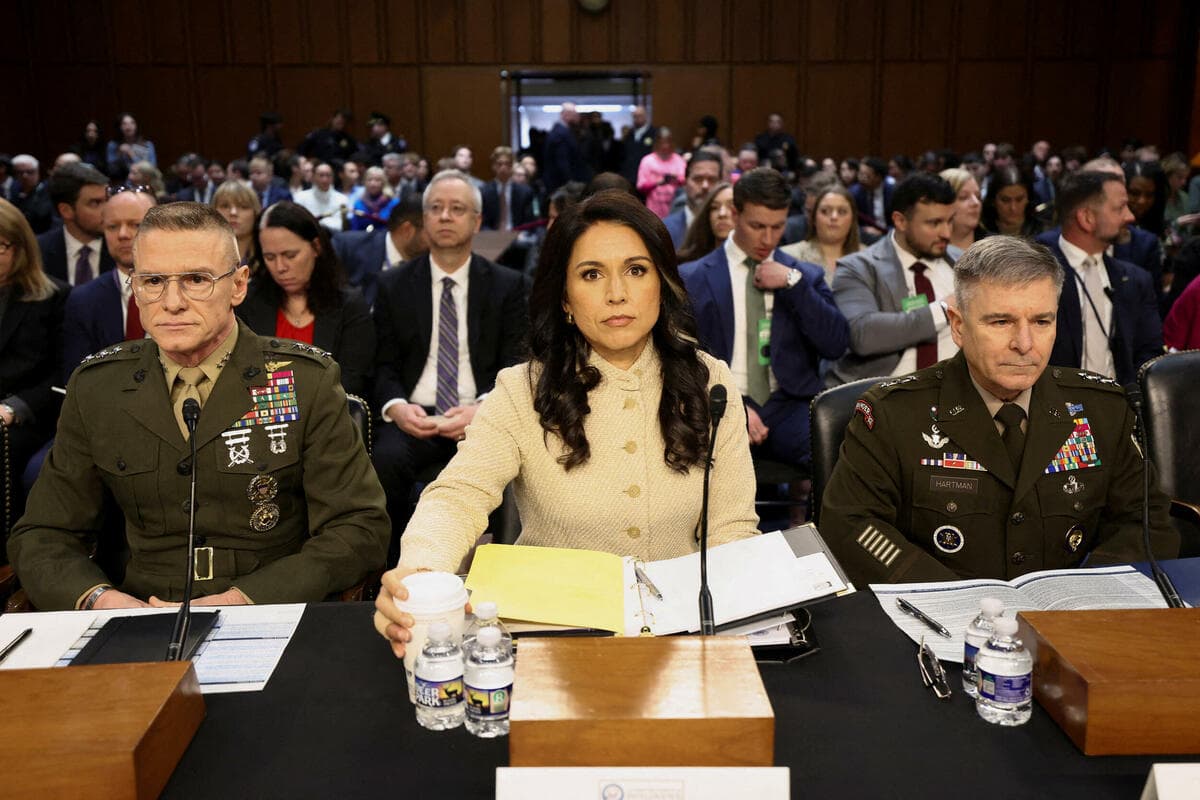
Trump administration airstrikes have vastly degraded Iran's military capabilities, says DNI Tulsi Gabbard
12 sources compared