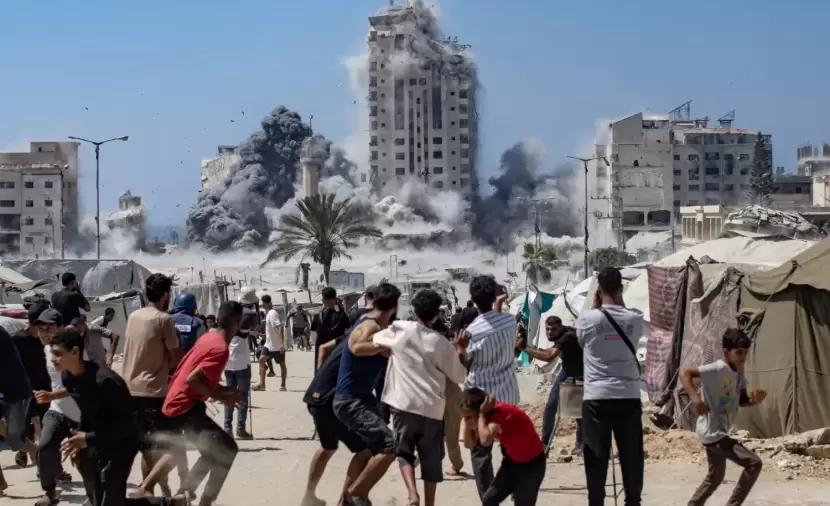
Caritas Jerusalem Delivers Potable Water Trucks as 91% of Gaza Households Face Water Insecurity
Key Takeaways
- Caritas Jerusalem delivers potable water trucks to Gaza.
- 91% of Gaza households face water insecurity.
- Blockade and fuel shortages hinder wells, worsening the water crisis.
Water crisis deepens
In Gaza, Caritas Jerusalem says the ongoing crisis has severely damaged water infrastructure, leaving families without reliable access to clean water, with 91% of households experiencing water insecurity and many people surviving on less than six liters of water per person per day.
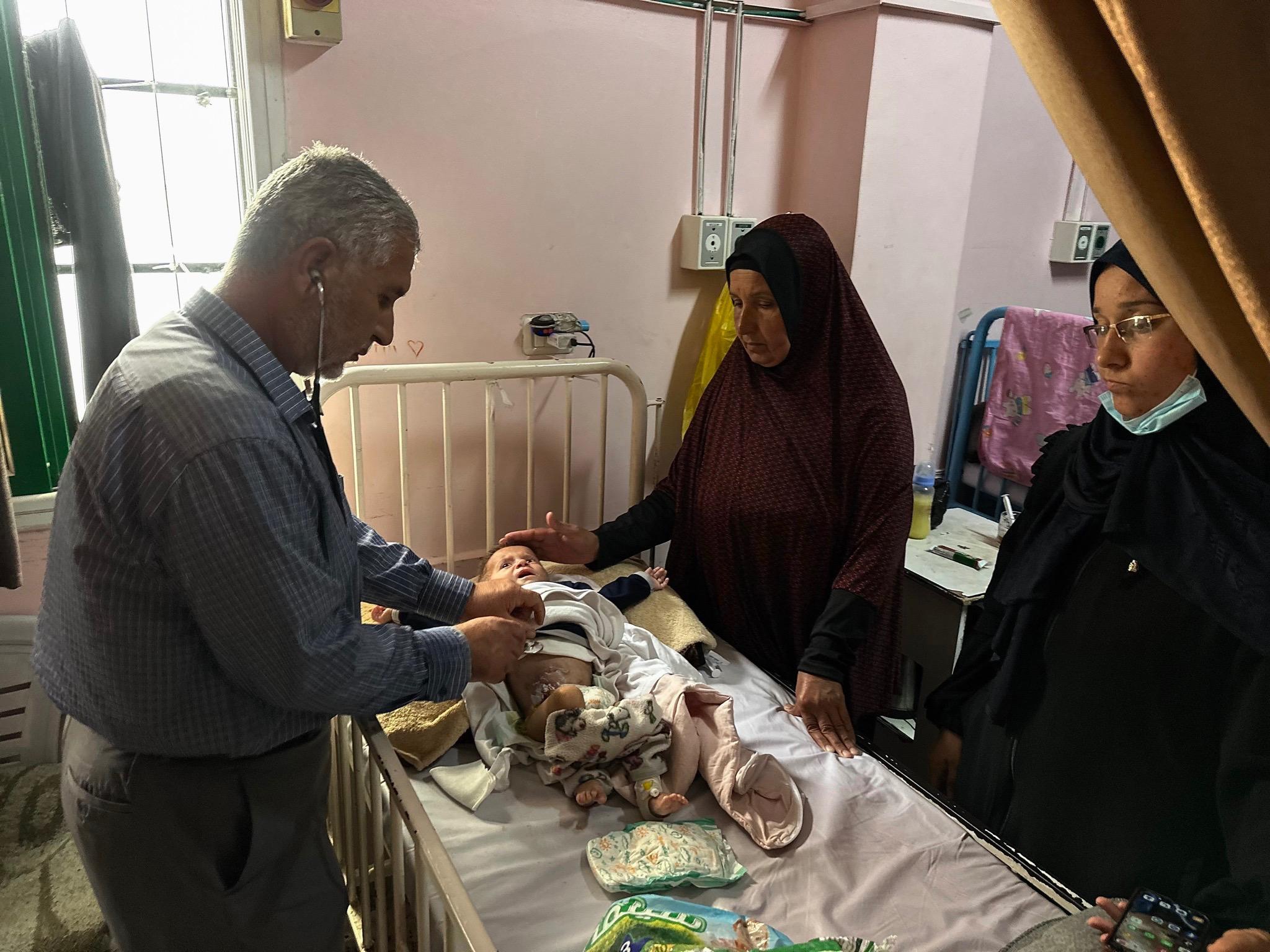
“As Israel continues to restrict humanitarian aid, the health system in Gaza, already depleted, struggles to treat and to contain diseases spreading in overcrowded tent camps”
Caritas Jerusalem has launched a water trucking intervention delivering potable drinking water directly to shelters, displacement camps, and communities where access to safe water has been cut off, and it says the effort is implemented in close coordination with local authorities and community representatives.
In the Al-Abraj area, Yehia Abdo, Regional Director for Al-Abraj, said, “Caritas Jerusalem has now provided us with clean water, and we are grateful for your kind efforts.”
Abdo added that access became increasingly difficult after routes were cut off, saying, “This camp has an urgent need for water due to the long distances people must travel after access routes were cut off.”
Disease fears in camps
UN News reports that rats invade Gaza’s displaced people’s tents, injuring children, consuming aid, and spreading diseases as deteriorating health and environmental conditions worsen amid the accumulation of waste and the collapse of sewage services.
Displaced residents told UN News that rats enter tents daily, tampering with food and attacking children at night, and the UN says concerns are growing about skin diseases and contamination in a crowded environment that lacks minimum basic services.

In a displacement camp in central Gaza City, the displaced Fadi Jundi said, “whenever they eliminate one rat, another appears, and there are no real solutions.”
UN humanitarian partners say they are working to improve sanitation services and pest control, but delivering an effective and sustainable response requires restoring access to the two sanitary landfills in Gaza and allowing the entry of debris removal equipment and other vital materials.
Humanitarian aid and limits
The Palestinian Information Center describes displacement in Gaza as a daily confrontation with harsh environmental and health conditions, citing the spread of sewage and the accumulation of waste near tents and relief centers.
“The water and environmental disaster in the Gaza Strip has peaked after 1,000 days of ongoing war, as planned thirst and water contamination have become a deadly reality that traps the lives of millions of displaced people and triggers epidemics in their tents under the summer heat, surpassing the bounds of a transient crisis to a wholesale destruction of all elements of hygiene and health security”
It says data from the Palestinian Central Bureau of Statistics and the Environmental Quality Authority indicate that more than 90 percent of water and sewage infrastructure has sustained severe damage during the war, including damage to sewage networks extending about 1,545 kilometers and destruction or disruption of 47 pumping stations.
In Gaza City, the displaced Saada Abu Amr, 64, told Le Temps that she and her family are “living two wars in Gaza, one that kills through bombardments, and the other that kills through waste,” linking the crisis to waste smell and health.
The article says the health situation is catastrophic, quoting Dr. Ahmed Alrabiei that hospitals are operating well beyond their capacities, with pressure on hospitals “too great; capacity is surpassed by 150%.”
More on Gaza Genocide

Democratic Socialist Melat Kiros Defeats 15-Term Rep. Diana DeGette in Colorado Primary
15 sources compared
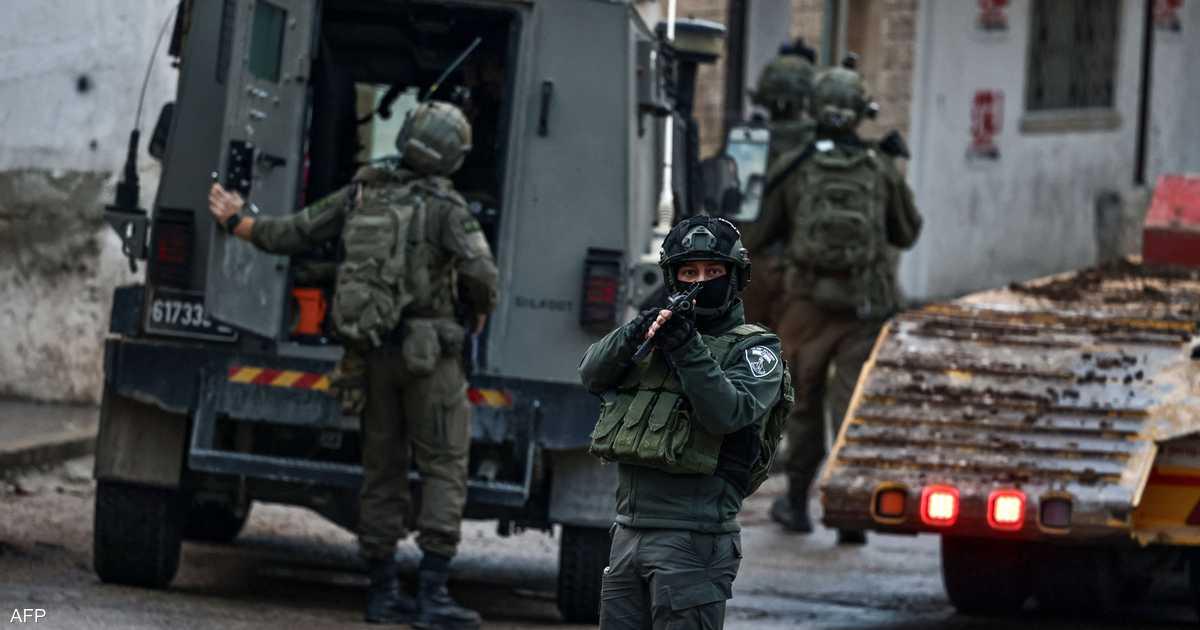
Israeli Security Forces Detain Palestinian Women in West Bank Raids Across Hebron, Ramallah, Nablus, Bethlehem
12 sources compared
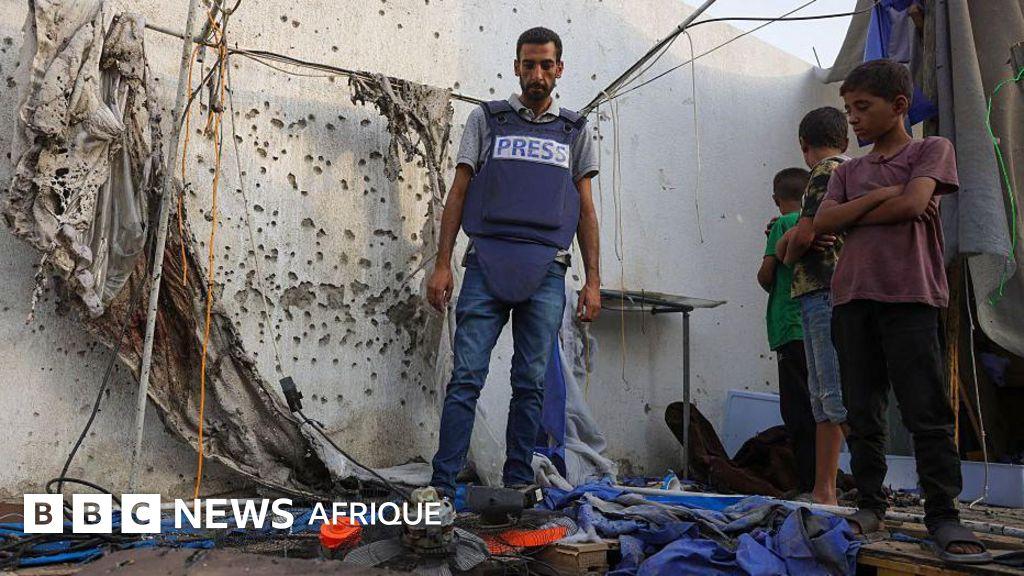
CPJ Launches Review Of Gaza Journalist Death Database After Hamas, PIJ Obituaries
18 sources compared
Israeli Strikes Kill At Least Eight in Gaza, Including Two Children, and a Teen in West Bank
12 sources compared