Full story
Eighth Night of Strikes
U.S. Central Command said Sunday that American forces completed an eighth consecutive night of strikes against Iran, targeting coastal surveillance and air defense facilities, maritime capabilities and missile and drone storage sites, carried out at President Donald Trump’s direction and completed at 11:30 p.m. ET on July 18.
“Iran says at least 50 people have been killed and more than 500 injured in strikes by the United States this month, as an Iranian negotiator says the memorandum of understanding (MoU) between the two is effectively “suspended” amid US violations”
CENTCOM said the strikes were intended to further degrade Iran’s military capabilities and also targeted Iran’s Revolutionary Guard Corps units that CENTCOM said had launched attacks against U.S. service members in Jordan on July 17.

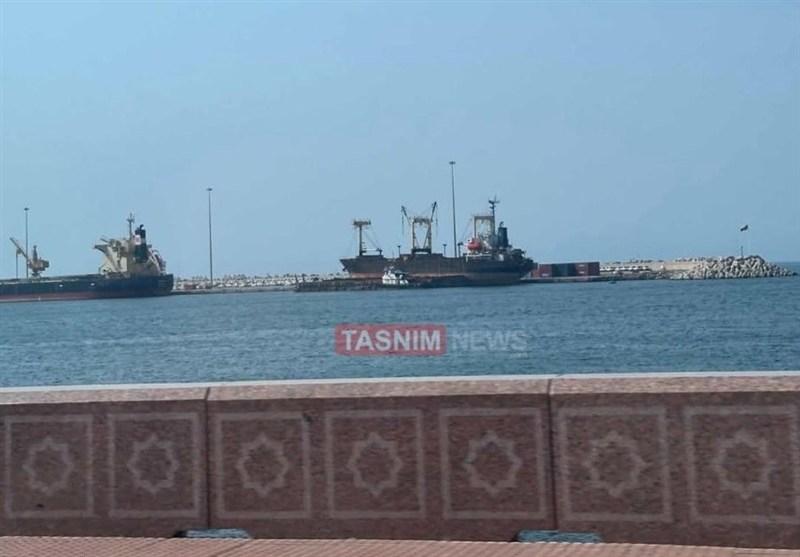
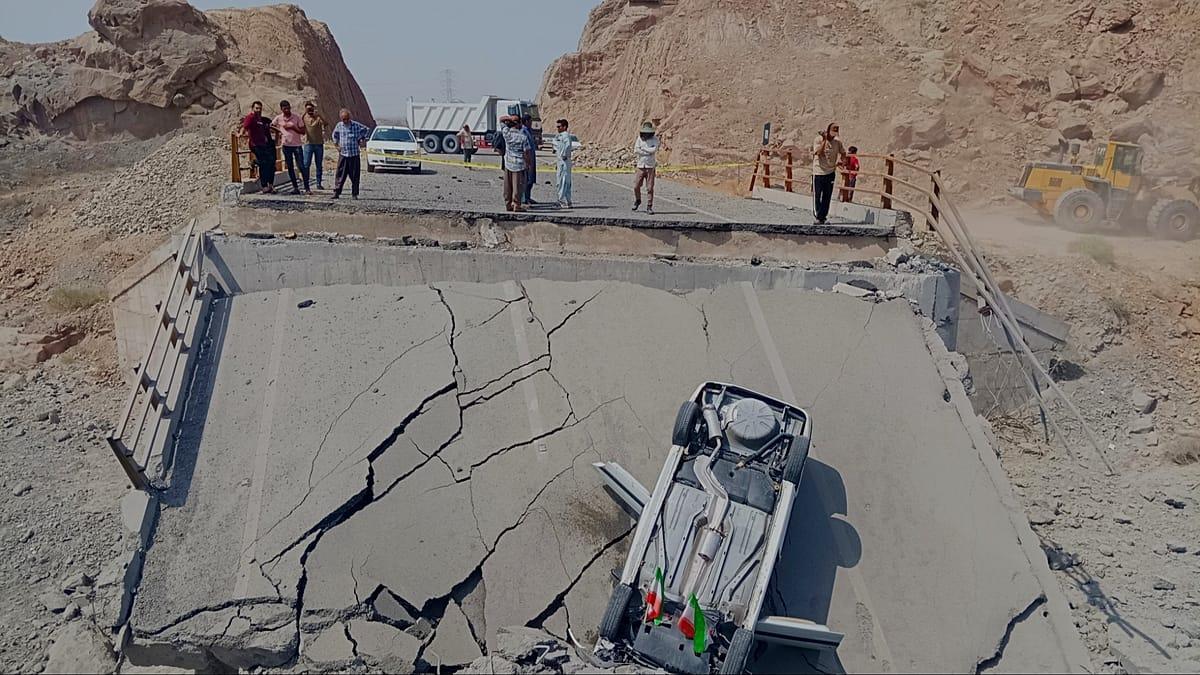
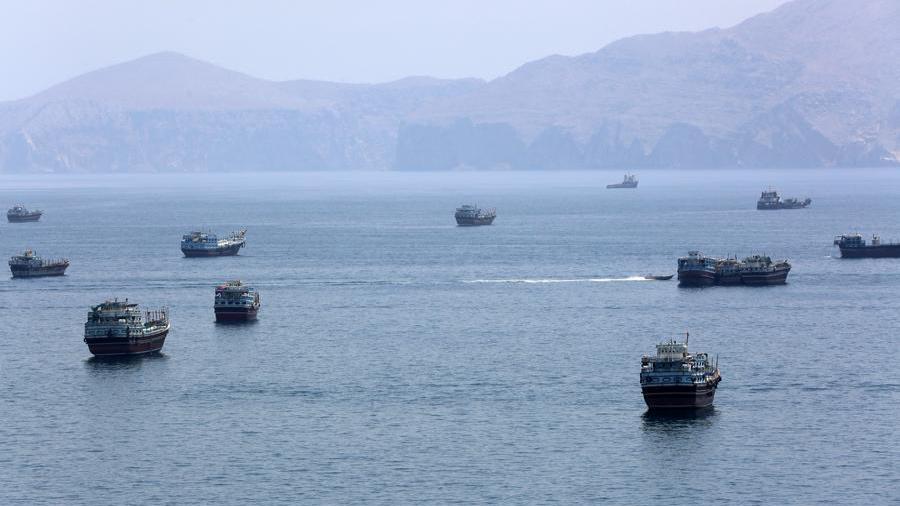
Iranian media reported overnight strikes in Bandar Abbas, Qeshm Island, Sirik and Hajiabad, while Iran’s military said it launched suicide drones at U.S. targets in Kuwait, including an ammunition depot at Camp Arifjan and radar systems at Ali Al Salem Air Base.
In parallel, security officials told Reuters that an explosive drone was intercepted near the U.S. Consulate in Erbil, Iraq, as Israel monitored the escalating conflict and prepared for scenarios in which the confrontation expands quickly.
MoU, Sirens, and Claims
Iran said at least 50 people have been killed and more than 500 injured in strikes by the United States this month, as an Iranian negotiator said the memorandum of understanding (MoU) between the two is effectively “suspended” amid U.S. violations.
Iran’s Deputy Foreign Minister Kazem Gharibabadi said, “The US has violated and suspended all its commitments within the framework of the Islamabad MoU,” and Iran’s Supreme Leader Mojtaba Khamenei issued a statement read out on state television warning that Tehran would inflict “unforgettable lessons” on the US over its continued attacks.

In Bahrain, the Bahraini Ministry of Interior announced that sirens were sounded and urged citizens and residents to head to the nearest safe place, while the Bahrain Defence Force said it had intercepted and destroyed several Iranian air attacks.
The Bahrain Defence Force said the kingdom’s air defense systems “fended off, intercepted, and destroyed a number of Iranian treacherous air attacks,” as the conflict continued across U.S.-allied countries hosting American military facilities.
Blockade, Infrastructure, and Risk
The U.S. and Iran’s escalation has been accompanied by a widening focus on infrastructure and shipping, with the U.S. restoring its blockade on Iran’s ports and the “next red line” described as civilian infrastructure.
“International oil firms halt production in Iraq’s Kurdistan amid US-Iran escalation The move follows the deaths of two US service members in an Iranian attack on Jordan”
The AP described how the June 25 attack set off a chain of hostilities after a preliminary deal aimed at ending the war, and it said the strait’s alternative route had been intended to be outside Tehran’s control.
In parallel, Al Jazeera reported that Iran’s Health Ministry said the attacks left 10,000 people without water after a desalination plant was hit, and it quoted Hormozgan Water and Wastewater Company chief executive Hamzeh Pour saying a seawater pumping station and a power transformer at the Bunji desalination plant in Jask were “completely destroyed”.
With the conflict spreading to regional theaters, Ynetnews said more than 50,000 U.S. service members are operating across the Middle East and described them as highly vigilant and prepared for further action, while the U.S. State Department issued a worldwide security alert citing “the potential for unforeseen escalation.”