Full story
Drone detonation kills US
A US service member was killed in northern Iraq on Saturday during a "controlled detonation" of unexploded ordnance from a downed Iranian one-way attack drone, and another service member was wounded and continued to receive medical treatment for a "minor" injury, according to US Central Command (Centcom).
The incident came a day after an attack on a base in Jordan killed two US soldiers and left another missing, and Centcom said it found "unidentified remains" after a search of the location of Friday's attack in Jordan.
The BBC said the escalation has continued as the US and Iran exchanged strikes for an eighth day, with both sides accused of striking critical infrastructure.
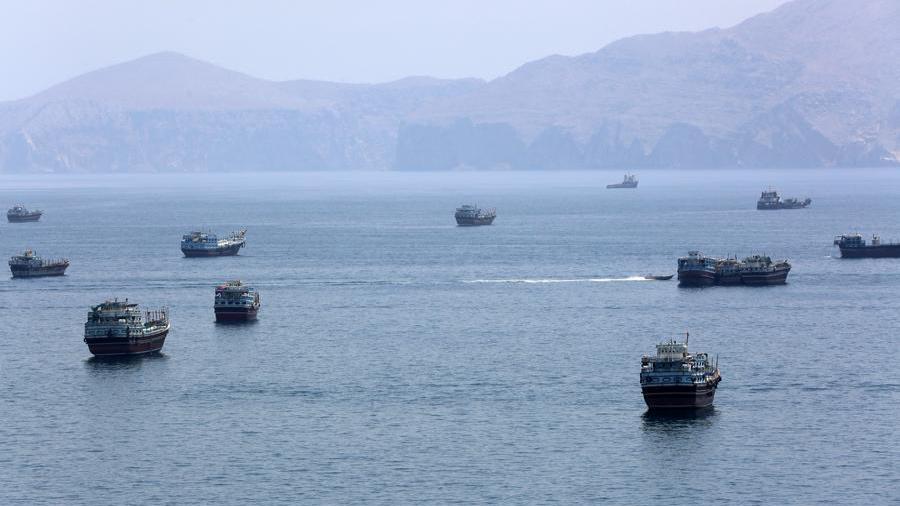
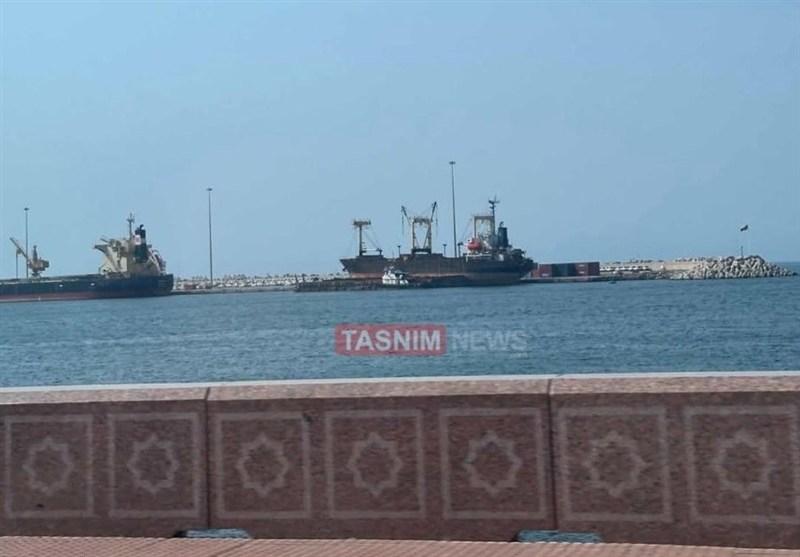
The BBC also reported that Washington reimposed its blockade of Iranian ports and that Tehran declared the Strait of Hormuz closed, as a preliminary ceasefire collapsed less than a month after it began.
In Iran, the BBC reported that at least 50 people have been killed and more than 500 injured in US strikes over the past three weeks, according to the country's health ministry.
Diplomacy and competing claims
Iran and the US continued trading blows as Jordan summoned Iran's charges d'affaires in Amman to demand an immediate end to what the foreign ministry called "unjustified and blatant Iranian attacks," insisting that its security was "a red line that cannot be crossed."
Israel said it launched "several interceptors" toward missile debris after projectiles were launched towards Jordan, and it said "interceptor fragments" were subsequently identified near Eilat with no damage or injuries reported.
The BBC reported that Iran's Supreme Leader Mojtaba Khamenei said in a written statement that America's "repeated breaches" of the agreement had "laid bare a fundamental truth: the signature of the US president is utterly worthless and devoid of credibility".
In Kuwait, the BBC said local officials reported an electricity and water plant struck on Saturday had been hit again, resulting in a fire, while the Gulf Cooperation Council accused Tehran of targeting civilian infrastructure.
The Straits Times added that Iranian Foreign Minister Abbas Araghchi said in an interview posted on his Telegram channel on July 19 that certain demands related to the country’s nuclear efforts may remain “unresolvable”.
What comes next
The US military said its latest attacks had been designed to "degrade Iran's ability to threaten commercial shipping" in the strait and to "swiftly punish" Iran's Islamic Revolutionary Guard Corps (IRGC) forces it said were responsible for the attack in Jordan.
“Iran has fired drones and missiles at Kuwait and Bahrain and claimed to have stopped two ships in the Strait of Hormuz after an eighth consecutive night of attacks by the United States”
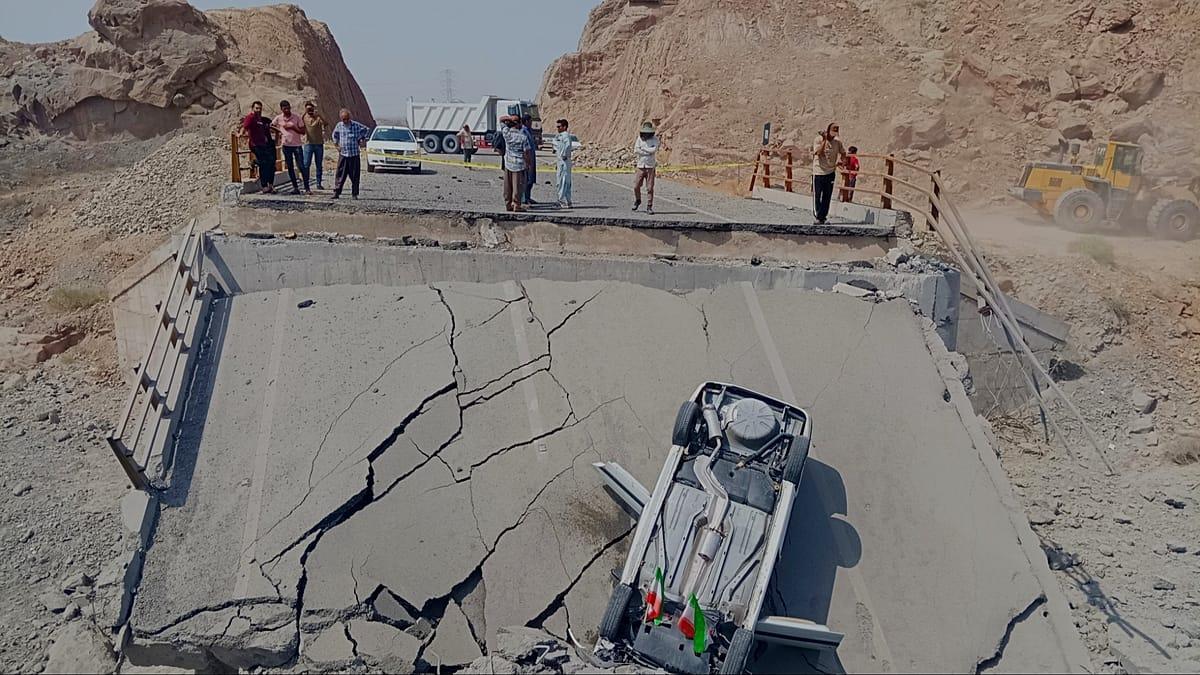
The Guardian reported that the renewed exchanges of fire had seen the US target bridges, water desalination plants and electrical facilities in Iran, while Kuwait, Jordan and Bahrain again activated air defenses for incoming Iranian drones and missiles.
The Guardian also said the International Atomic Energy Agency called the Darkhoveyn site "in the “very early stages of construction"" and contained no nuclear material during its last visit, as Iranian media reported an under-construction nuclear power plant in the south-western city of Darkhoveyn had been struck overnight.
In parallel, the BBC reported that Iranian media said three Iranian missiles were later shot down by Jordan's military and a fourth fell in a remote area, and it said Jordan's state news agency reported the incident.
With the conflict continuing, the BBC said the US death toll has reached 17, while in Iran at least 50 people have been killed and more than 500 injured in US strikes over the past three weeks, according to the country's health ministry.