Technology and Science01 June, 20263 min read
CEPI Invests $50 Million to Fast-Track Moderna’s Bundibugyo Ebola Vaccine
This article is an automated aggregation of coverage from news outlets. Our editorials offer in-depth analysis curated by the NewsCord team.
Funding totals vary between $50 million and $60 million across reports. CEPI funds three Bundibugyo vaccine candidates involving Moderna, IAVI, and Oxford.
CEPI funds Moderna mRNA
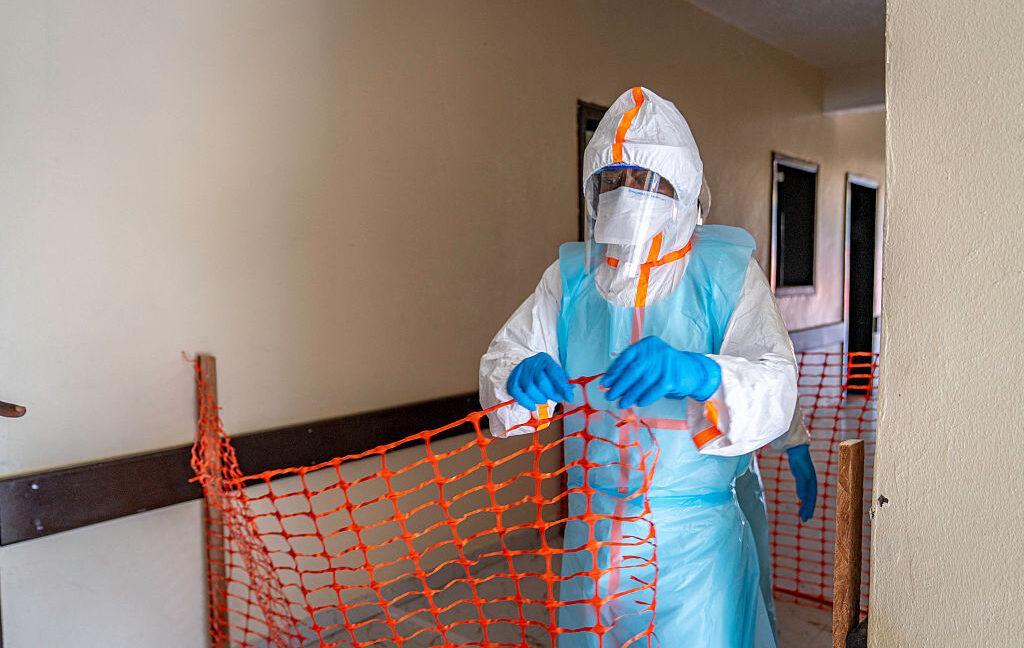
The Coalition for Epidemic Preparedness Innovations (CEPI) will invest $50 million to support development and initial clinical testing of Moderna’s investigational vaccine against the Bundibugyo strain of Ebola, with the funding aimed at progressing to later-stage trials if early data are positive. CEPI said the outbreak has already caused more than 900 suspected cases and more than 220 suspected deaths, and it has been declared a Public Health Emergency of International Concern (PHEIC) and a Public Health Emergency of Continental Security (PHECS) by the World Health Organization and Africa CDC, respectively. In a statement, CEPI CEO Richard Hatchett said, “With Bundibugyo virus spreading rapidly and no licensed vaccines, every day counts in the race against this deadly disease,” as the organization positioned the investment as urgent support for “three promising candidates.”
Moderna is developing the vaccine using its mRNA platform, and the Hill reported CEPI’s plan includes manufacturing and progression to later-stage trials to generate data for emergency use authorization or licensure. The Hill also noted there are no licensed vaccines available for Bundibugyo virus and none in clinical development, setting the context for CEPI’s push to accelerate early clinical testing.
Multiple candidates, different timelines
Alongside Moderna, CEPI is funding two other vaccine candidates, including an Oxford program manufactured by the Serum Institute of India and an IAVI candidate that uses the same technology as Merck’s vaccine Ervebo for the Zaire strain. Reuters reported that CEPI will give roughly $60 million to Moderna and two other groups to accelerate development of shots against Ebola Bundibugyo, and it said there are no approved vaccines or treatments for Ebola Bundibugyo. Richard Hatchett told Reuters it was possible to get vaccines against Ebola Bundibugyo ready for trials within a couple of months, while the BBC described a longer path for IAVI, saying it would take seven to nine months to get the vaccine ready for clinical trials.
The BBC also quoted Dr Mark Feinberg of IAVI saying, “I think this is clearly threatening to be as severe an outbreak as that, if not even worse,” and it framed the vaccine work as a priority amid fears the outbreak could reach the scale of the 2014-16 West Africa epidemic. In the same BBC account, Stéphane Bancel, Moderna’s chief executive, said, “We will move with urgency and scientific rigor to support the response and help bring a potential vaccine closer to the communities that need it most,” as Moderna’s Bundibugyo vaccine was described as ready for clinical trials in two to three months.
What’s at stake next
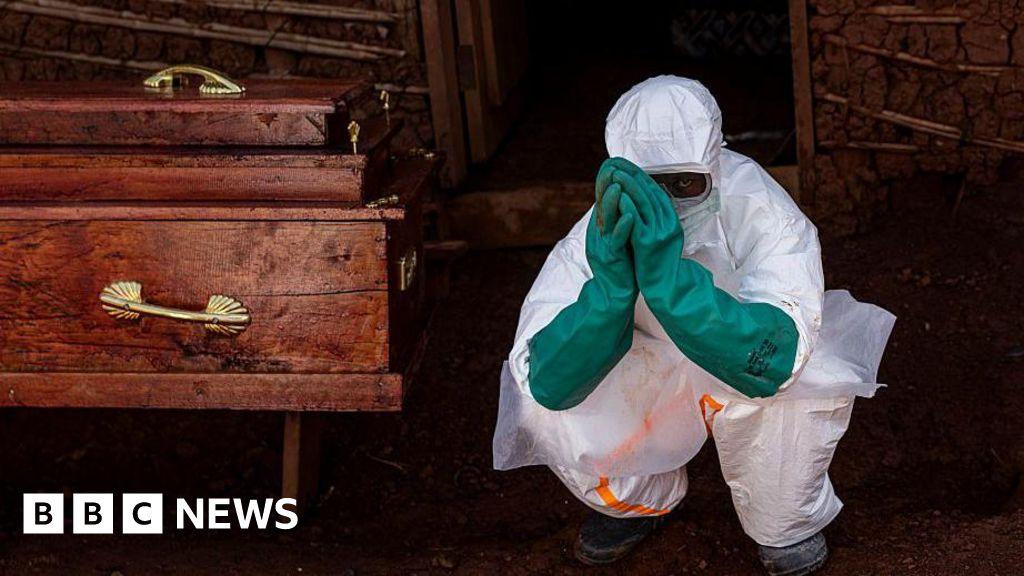
CEPI’s stated goal is to advance safe, effective vaccines to help control the epidemic, and it said that if Phase 1 trials are successful it expects to work with partners to support late-stage trials to generate data for emergency use authorization or licensure. The CEPI release said equitable access is core to the partnerships and that CEPI and its development partners are committed to enabling rapid, affordable supply of Bundibugyo virus vaccines to affected countries and “to the populations that need them.” The BBC warned that the outbreak detected in a conflict zone with limited healthcare resources could reach the size of the largest ever Ebola outbreak in West Africa in 2014-16, when nearly 29,000 people were infected and more than 11,000 died.
In addition to vaccine development, Reuters reported that the challenging security situation in eastern Congo would make trials complex, and it said the outbreak has caused 282 confirmed cases including 42 deaths and around 1,100 suspected cases. CEPI also said the current outbreak has already caused more than 900 suspected cases and more than 220 suspected deaths, and it framed the investment as part of a broader response that includes advancing multiple vaccine platforms while public health interventions continue in the Democratic Republic of the Congo and neighboring Uganda.