Full story
Ceuta surge leaves 72 dead
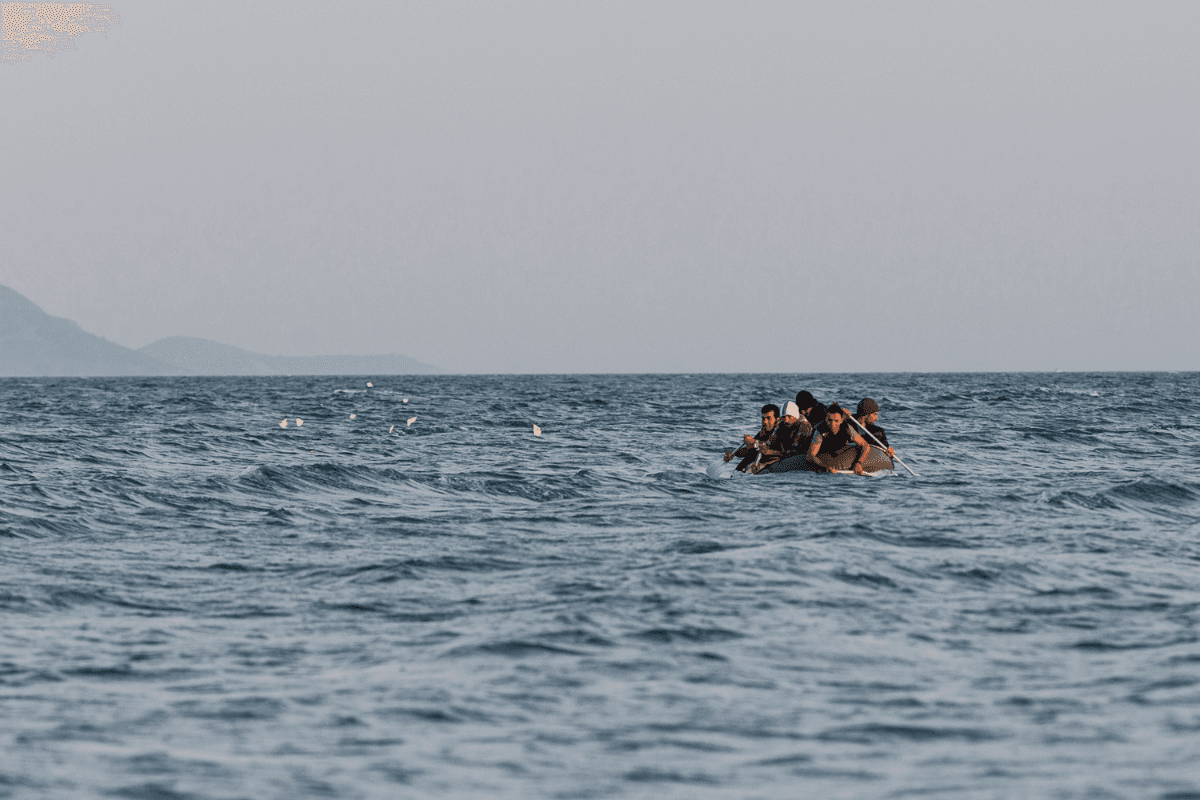
A mass rush of migrants from Morocco into Spain’s North African enclave of Ceuta left at least 72 people dead after five more bodies were found along Ceuta’s coast on Sunday, officials said.
“Death toll from Thursday’s mass rush into Spain’s North African enclave of Ceuta from Morocco reached at least 72 on Sunday”
The Spanish government representative in Ceuta, Miguel Angel Perez, said the fatalities reached 72 and that more than 1,000 people had been treated by health services since the surge began on Thursday.
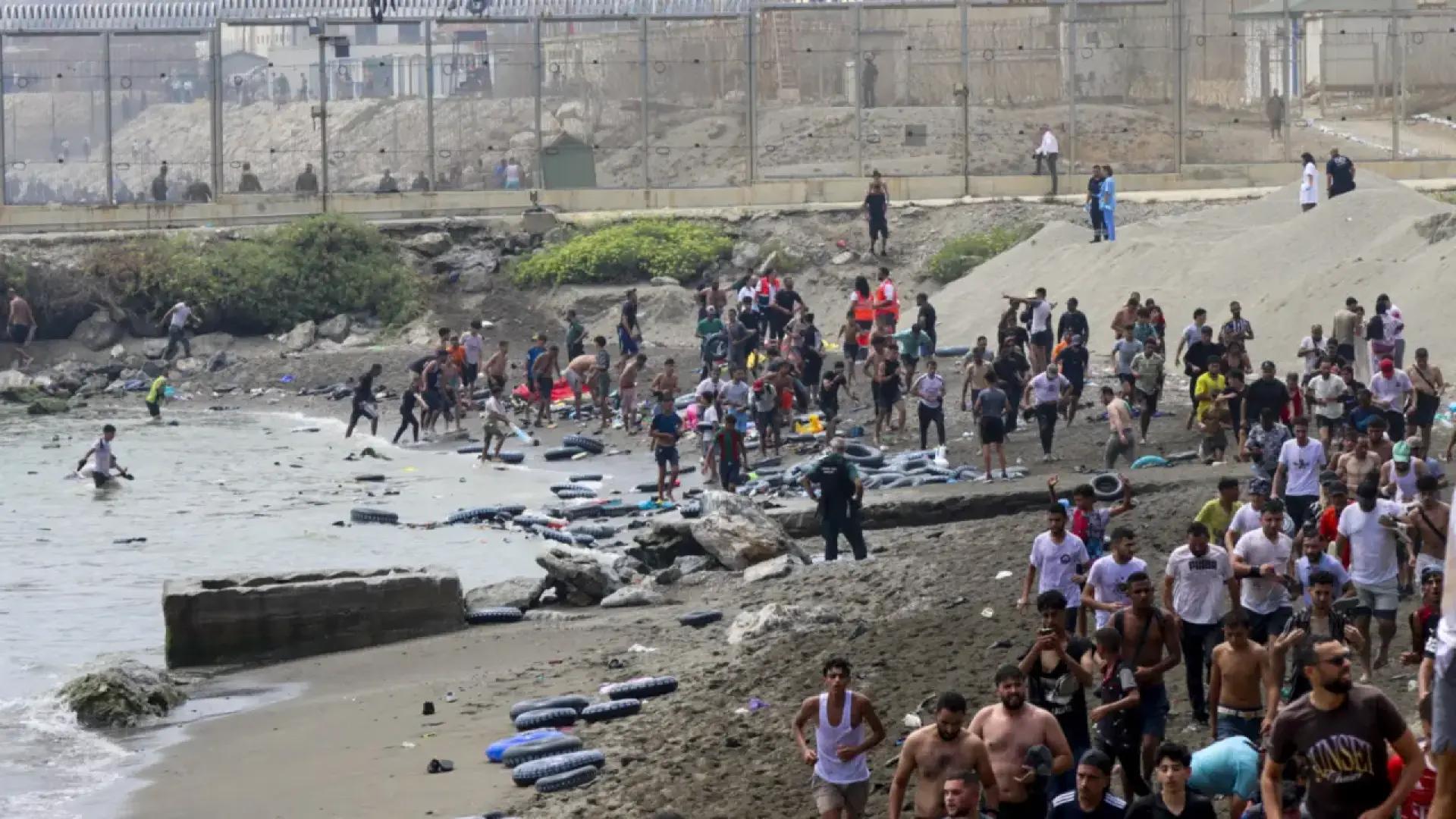
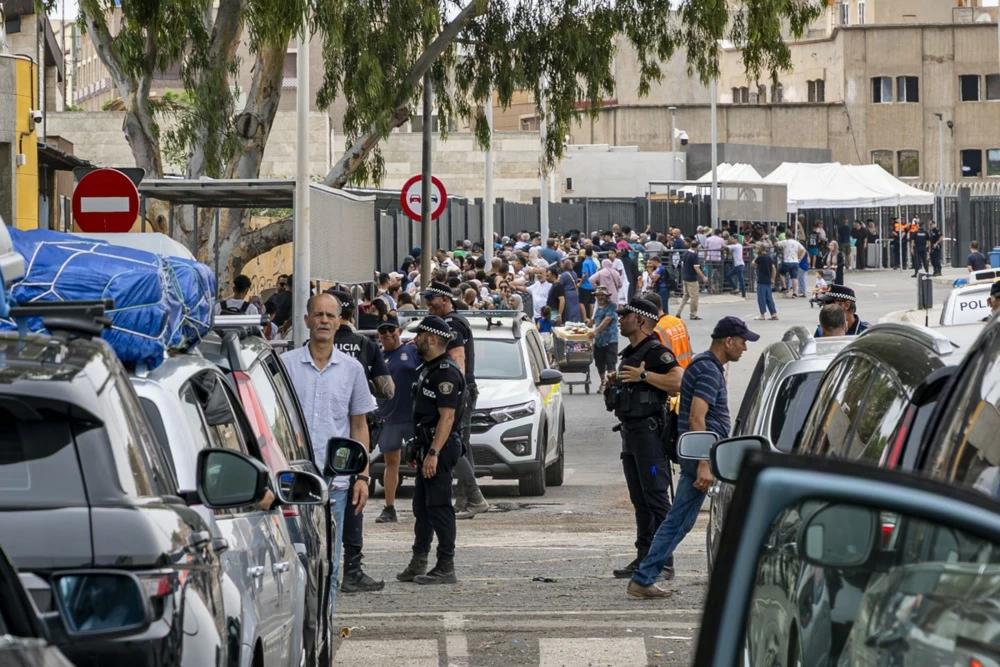
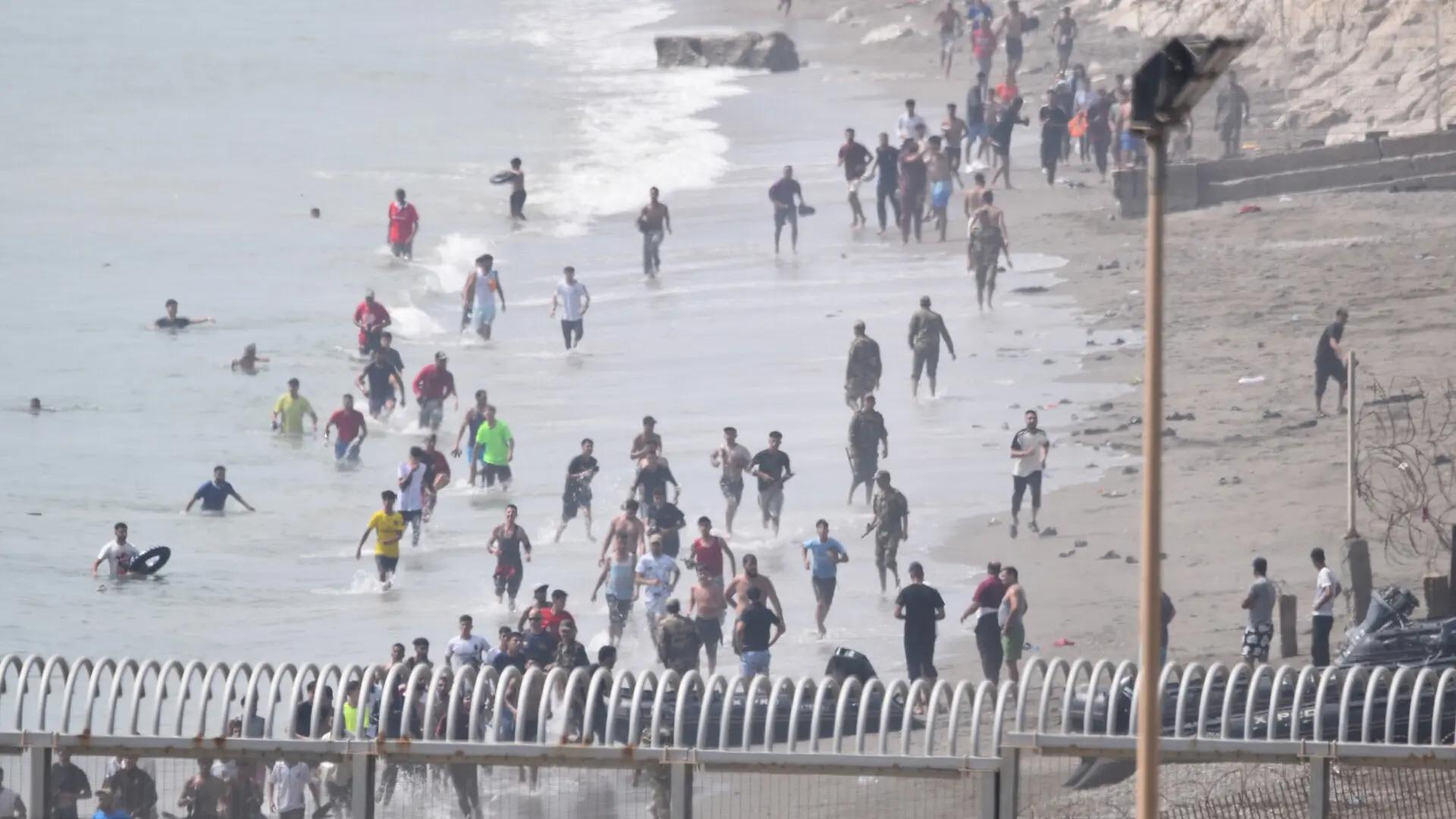
Spanish authorities said more than 48,000 people returned to Morocco within 48 hours, with more returning over the weekend, while the situation in the city had improved markedly but “more remained to be done to re-establish normality.”
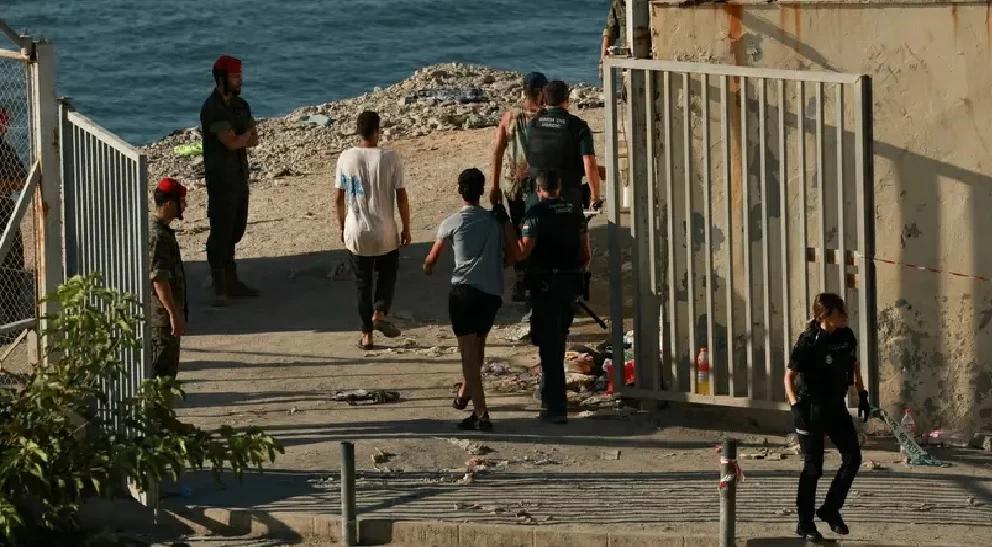
The deaths included people who drowned and others who were crushed while trying to climb a breakwater and border fence as more than 50,000 people crossed into Ceuta by land and sea during the unprecedented surge.
The crisis prompted alarm across the bloc as Ceuta is described as one of the European Union’s only two land borders with Africa.
EU response and political blame
The surge reignited debate across Europe as far-right leaders and Spanish politicians argued over who was responsible, with Santiago Abascal visiting Ceuta on Sunday and calling the migrant influx “an invasion.”
Abascal accused officials of failing to protect Spain’s borders, while the Associated Press and other outlets described how the political fight over immigration intensified as Spanish authorities continued searching the waters off Ceuta for additional victims.
Spanish Prime Minister Pedro Sánchez slammed reactions from some EU leaders, saying calls to suspend Spain from the EU’s borderless Schengen zone were “driven by prejudice, fake news, ignorance or political interest.”
A letter released Saturday by the Danish prime minister’s office warned that “We cannot allow uncontrolled mass crossings, the instrumentalization of migration or other hybrid threats,” and said such a perception would undermine confidence in the EU’s common migration policy.
The European Union’s interior ministers were set to meet, with Antena 3 Noticias saying “los ministros de Interior de la Unión Europea se reunirán el próximo martes” to analyze the situation and coordinate a joint response.
Barriers, treatment, and next steps
Spain installed a 500-meter-long barrier on the sea border between Ceuta and Morocco after the frontier breach earlier in the week, and the move came as authorities continued searching for bodies near the Tarajal area.
“El gobierno español anunció la instalación de una barrera de contención de 500 metros a lo largo del rompeolas”
The DW report said the Spanish government announced the installation of “una barrera de contención de 500 metros” along the breakwater fence, and described the barrier as having “un metro de profundidad bajo el mar y unos 50 centímetros sobre el nivel del agua.”
Health services in Ceuta treated 1,149 people, including one seriously injured person awaiting evacuation to the peninsula, and the Instituto Nacional de Gestión Sanitaria (INGESA) said it continued providing medical assistance “con normalidad” within the special device.
Miguel Angel Perez Triano told reporters that the latest figure was 72 fatalities, while the crisis was also tied to EU planning as the EU said it would hold a video call on Tuesday after 22 bloc members issued a joint open letter calling for an urgent meeting.
As the city began returning to normal, Spanish authorities said the morgue had received 88 corpses earlier, and the Spanish Civil Guard began identifying the 72 bodies already found with fingerprint and DNA collection expected to be completed by the end of next week at the latest.