USA11 August, 20262 min read
CFTC Orders KalshiEX To Continue Operating After New York Sues Letitia James
This article is an automated aggregation of coverage from news outlets. Our editorials offer in-depth analysis curated by the NewsCord team.
CFTC used emergency authority under the Commodity Exchange Act to order KalshiEX to operate nationwide. Action followed New York Attorney General Letitia James's lawsuit against Kalshi.

CFTC vs New York
The U.S. Commodity Futures Trading Commission used emergency authority to order KalshiEX to continue operating nationwide after New York Attorney General Letitia James sued Kalshi on July 31, seeking a temporary restraining order and more than $36 billion in damages.
CFTC Chairman Michael Selig said New York was trying to impose an “iron curtain of state gaming laws” before courts could issue final rulings, and he argued “Congress did not intend for derivatives exchanges to be regulated under a patchwork of state gaming laws.”
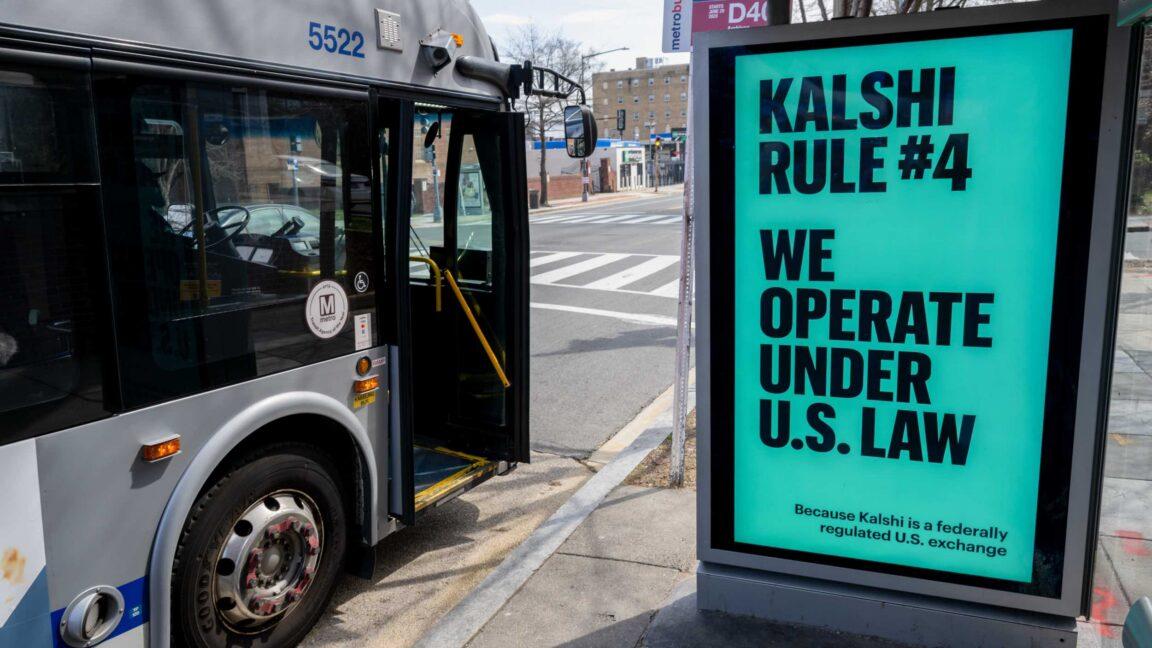
Ars Technica reported the Trump administration took the action after a request from Kalshi, framing it as a response to a “market emergency” and ordering the exchange “to continue to operate in accordance with the Commodity Exchange Act’s Core Principles.”
New York accused Kalshi of running “an illegal, unlicensed gambling operation,” with Governor Kathy Hochul saying that “Kalshi has chosen to ignore New York’s gaming laws.”
State courts keep ruling
In Washington, King County Superior Court Judge John McHale in Seattle sided with Washington Attorney General Nick Brown on July 20, granting a preliminary injunction and rejecting Kalshi’s defense that CFTC oversight preempts state gambling law.
GeekWire said Kalshi appealed to the Washington Court of Appeals and asked McHale to pause his injunction pending that appeal, while court records showed former U.S. Acting Solicitor General Neal Katyal is representing the company in the Washington state case.

In Connecticut, Yogonet reported U.S. District Judge Vernon D. Oliver rejected Kalshi’s bid to block state enforcement, ruling that Kalshi’s sports-event contracts are not “exchanges” under the Commodity Exchange Act.
Yogonet also quoted Oliver writing that “Sports wagering has always been subject to governmental regulation under the police powers of the states,” and it said the ruling allows Connecticut officials to pursue Kalshi under state gambling laws.
New York marketing probe
Beyond the state gambling lawsuits, the New York City Municipal Council opened an investigation into prediction-market marketing practices, with letters sent by Council President Julie Menin warning about accusations of “false, deceptive, exaggerated, and objectionable marketing practices.” DiarioBitcoin said the investigation covers Polymarket, Kalshi, Coinbase, and Gemini Titan, and it reported that Menin noted prediction markets “aggressively prompt consumers to bet and gamble on sports, politics, culture, climate, and virtually anything.”
The same source said the probe is independent of New York State’s lawsuits against Kalshi, Coinbase, and Gemini alleging they operate illegal gambling, which the companies deny. DiarioBitcoin also reported that Polymarket, Kalshi, and Gemini are headquartered in New York City, while Coinbase operates officially from Texas and has announced plans to expand its presence in New York to over 1,000 employees.