
China Launches Two Investigations Targeting U.S. Tech And Green Energy Export Restrictions
Key Takeaways
- China launched two investigations into U.S. trade practices.
- Investigations mirror U.S. Section 301 probes and tariff moves.
- Beijing aims to pressure ahead of a May summit.
New China retaliation probes
China has launched two formal investigations into U.S. trade practices in direct retaliation to President Trump's Section 301 probes, signaling a calibrated, reciprocal escalation in the U.S.–China tariff confrontation.
“China opens investigations into US trade practices in response to Trump tariff moves China opens investigations into US trade practices in response to Trump tariff moves BEIJING (AP) — China launched two investigations into U”
One probe will examine U.S. policies that restrict Chinese goods from entering the United States and limit U.S. export of advanced technology products to China; the other is focused on barriers to Chinese green energy exports.
The investigations are expected to run about six months, with a possible extension of up to three months.
Beijing framed the moves as necessary to safeguard Chinese industry and warned that some measures could violate WTO rules.
The move comes as the U.S. probes sought to rebuild tariff leverage after the Supreme Court struck down core components of Trump's tariff program.
Probe specifics and timing
The two parallel investigations are defined by the Section 301 framework that the Trump administration previously used to justify tariffs, but Beijing portrays them as defensive responses to U.S. overreach.
The first targets U.S. restrictions on Chinese goods and technology exports, while the second centers on barriers to green energy exports; both are framed as addressing practices that distort global supply chains.

Officials say the reviews will take about six months with potential extensions, and they signal a willingness to impose remedies, including tariffs, under the same legal umbrella that underpinned earlier U.S. tariffs.
Geopolitical and market risk
The episode deepens a volatile, dual-track escalation in West Asia trade frictions, with Washington and Beijing using legal instruments to recalibrate leverage after a court challenge to earlier tariffs.
“"We need to protect American jobs, and we need to make sure we have fair trade with our trading partners," he added”
Western outlets frame Beijing's move as a direct counter to U.S. pressure, while Chinese officials insist the probes are necessary safeguards for their industries.
The risk for global markets is tangible: if the investigations conclude unfair practices exist, Beijing could pursue tariffs or other measures, potentially prompting retaliatory moves in supply chains from solar panels to semiconductors.
Global economic ripple effects
The Chinese response reverberates through global trade, with Mexico and other partners adjusting enforcement and potentially reconfiguring transshipment routes.
Mexico’s commerce ministry describes Beijing’s actions as reciprocal and notes ongoing measures such as steel tariffs on non‑FTA Chinese, Vietnamese, and South Korean products as part of broader domestic protectionism, a move that could affect more than US$30 billion in Chinese exports.
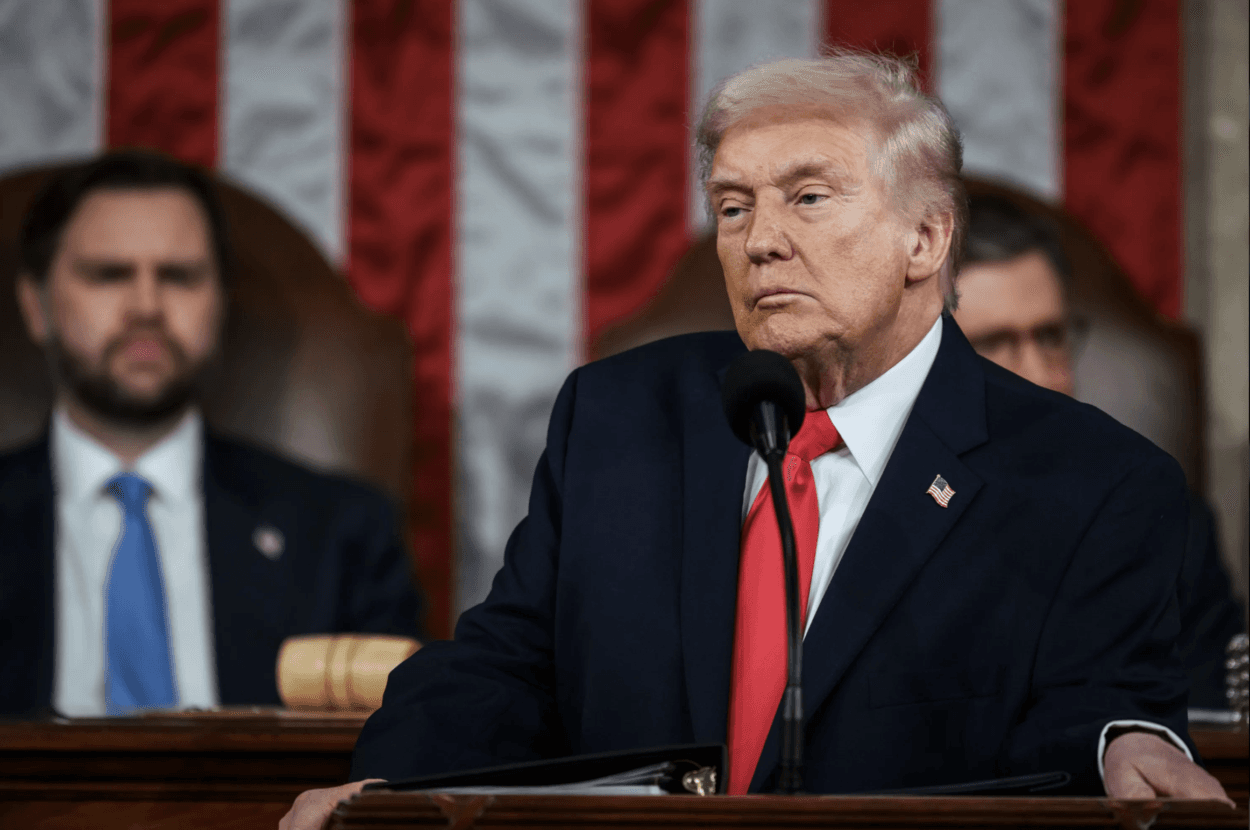
Western observers warn of potential WTO disputes if Beijing leans on probes to justify new tariffs, complicating U.S.–China diplomacy ahead of scheduled talks and adding fresh uncertainty to global supply chains for green tech and other critical industries.
More on China
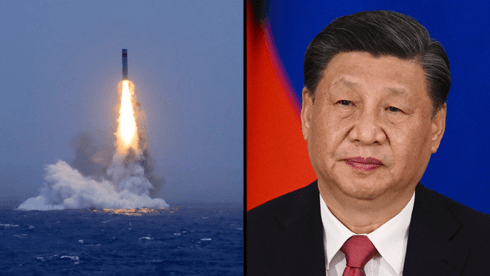
China Test-Launches Submarine Ballistic Missile in South Pacific, Prompting Protests and Regional Concerns
14 sources compared
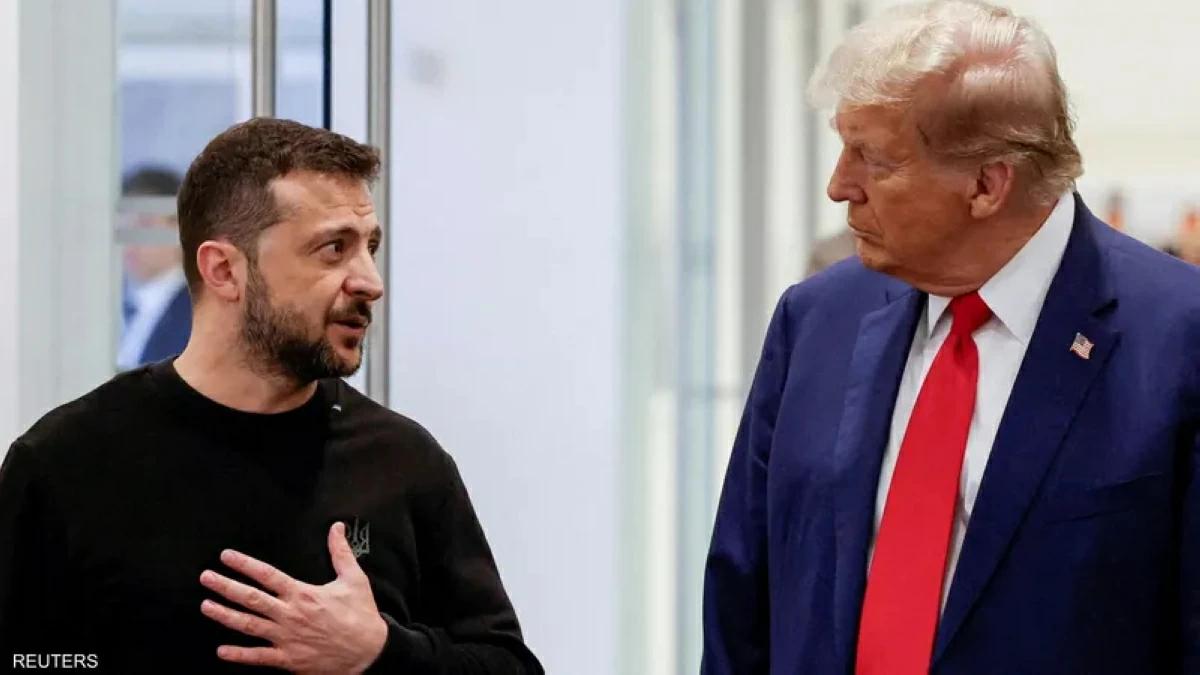
Dmitry Medvedev Attends Ali Khamenei Funeral After U.S.-Israeli Air Strike Killed Him
15 sources compared
NATO Faces A Moment Of Truth As Trump Presidency Widens Transatlantic Fault Line
10 sources compared

EU Tightens Steel Safeguards And Parcel Rules Against China From July 1, 2026
10 sources compared