
China Sends Ping Ping And Fu Shuang To Zoo Atlanta Ahead Of Trump Visit To Beijing
Key Takeaways
- China will send two giant pandas to Zoo Atlanta for ten years.
- The pandas are Ping Ping and Fu Shuang joining Zoo Atlanta ahead of Trump-Xi talks.
- The arrangement is part of China's panda diplomacy amid U.S.-China tensions.
Pandas for Atlanta
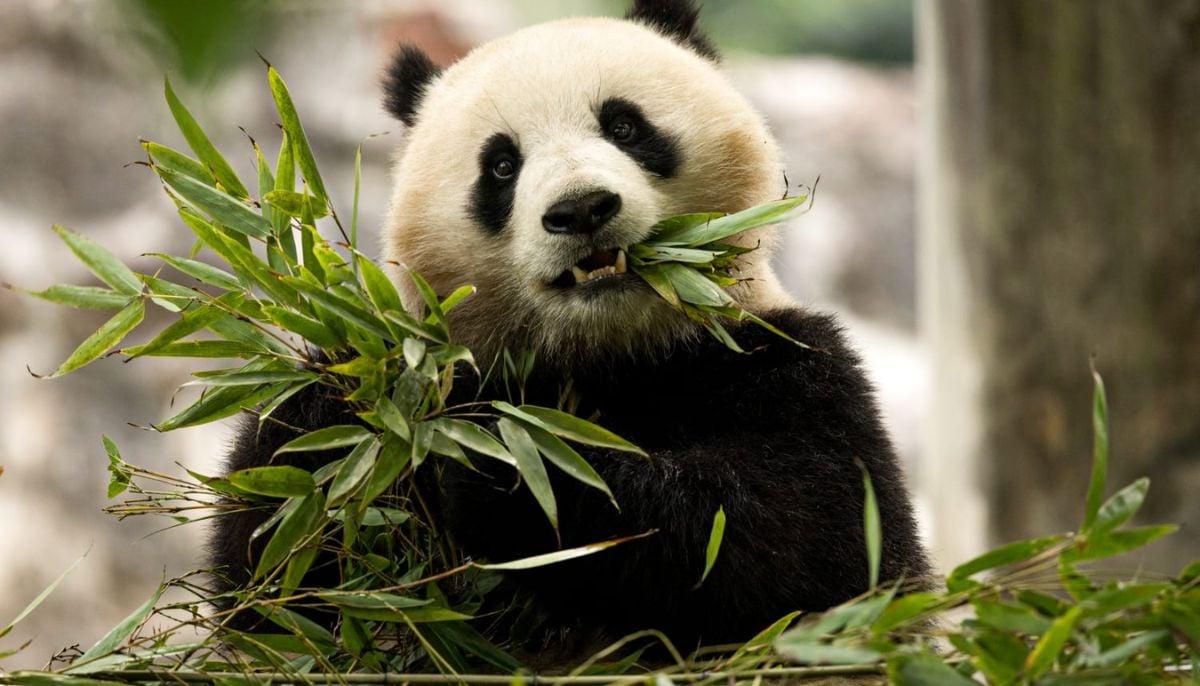
China is reviving its “Panda Diplomacy” with the United States by sending two giant pandas to Zoo Atlanta ahead of U.S. President Donald Trump’s visit to Beijing to meet Chinese President Xi Jinping.
“en EnglishUnited States Deutsch English Español Français Italiano العربية All languages Afrikaans azərbaycan bosanski català Čeština Cymraeg Dansk Deutsch eesti EnglishUnited Kingdom EspañolEspaña EspañolLatinoamérica euskara Filipino FrançaisCanada FrançaisFrance Gaeilge galego Hrvatski Indonesia isiZulu íslenska Italiano Kiswahili latviešu lietuvių magyar Melayu Nederlands norsk o‘zbek polski PortuguêsBrasil PortuguêsPortugal română shqip Slovenčina slovenščina srpski (latinica) Suomi Svenska Tiếng Việt Türkçe Ελληνικά беларуская български кыргызча қазақ тілі македонски монгол Русский српски Українська ქართული հայերեն עברית اردو العربية فارسی አማርኛ नेपाली मराठी हिन्दी অসমীয়া বাংলা ਪੰਜਾਬੀ ગુજરાતી ଓଡ଼ିଆ தமிழ் తెలుగు ಕನ್ನಡ മലയാളം සිංහල ไทย ລາວ မြန်မာ ខ្មែរ 한국어 日本語 简体中文 繁體中文 繁體中文香港 Sign in Sign in”
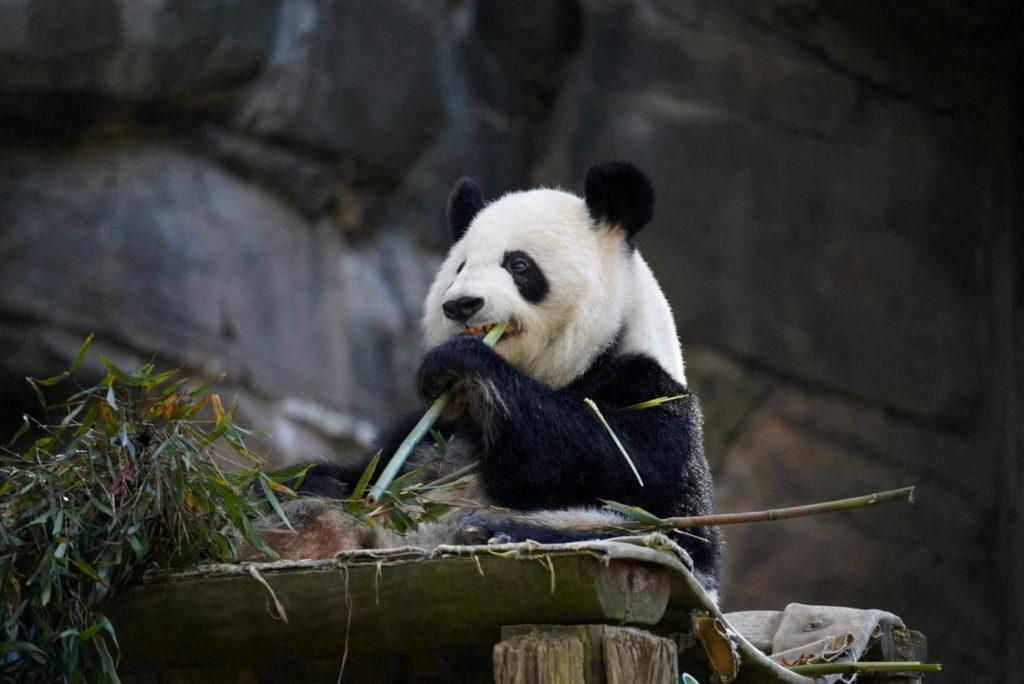
The China Wildlife Conservation Association announced that the male panda Ping Ping and the female panda Fu Shuang will live at Zoo Atlanta under a 10-year international conservation cooperation agreement signed with the zoo last year.

The association said the pandas are from the Chengdu Research Base of Giant Panda Breeding, and it said the U.S. side is carrying out facility upgrades to create “a more comfortable and safer environment” for the pair.
Zoo Atlanta president Raymond B. King said, “We can’t wait to meet Ping Ping and Fu Shuang and to welcome our members, guests, city, and community back to the wonder and joy of giant pandas,” framing the move as being “delighted and honoured to be trusted as stewards of this treasured species.”
Chinese officials tied the announcement to diplomacy and conservation, with a Foreign Ministry spokesperson telling reporters that the cooperation would help improve “the health and well-being of the giant pandas” and strengthen “the friendship between the people of China and the US.”
The announcement also arrived less than a month before Trump’s planned visit, with multiple outlets describing it as part of Beijing’s efforts to manage tensions while maintaining people-to-people ties through the animals.
Timing and preparation
The panda announcement was framed by outlets as arriving at a politically sensitive moment, with the China Wildlife Conservation Association’s statement landing weeks ahead of Trump’s planned visit to Beijing in mid-May.
PBS reported that the announcement came “weeks ahead of Trump's planned visit to China in mid-May,” and it said the U.S. side was preparing for the animals by upgrading facilities, while Chinese experts provided technical guidance on those upgrades.
Al Jazeera similarly tied the move to the “anticipated visit by U.S. President Donald Trump to Beijing next month to meet Chinese President Xi Jinping,” and it said the research agreement with Zoo Atlanta had been signed “last year.”
The Telegraph described the diplomatic backdrop as “US-Chinese relations have grown increasingly tense” and linked the panda transfer to friction over China’s role in Iran and a U.S. sanction against a China-based oil refinery.
In the same reporting, Zoo Atlanta’s president Raymond B. King wrote that it was “a pleasure and an honor to be trusted again as the custodian of this precious species,” and he said he looked forward to Bing Bing and Fu Shuang meeting, reflecting the zoo’s earlier panda arrivals and the continuity of the program.
The outlets also emphasized that the departure date for the new pandas was not specified, with PBS noting that “The association did not specify the pandas' departure date.”
Officials and zoo voices
Multiple voices connected the panda transfer to both conservation goals and diplomatic messaging, with Chinese officials emphasizing panda welfare and biodiversity while the zoo highlighted stewardship and public engagement.
“Published April 24, 2026 China is reviving its signature Panda Diplomacy with the United States (U”
PBS quoted China’s Foreign Ministry spokesperson Guo Jiakun saying the new cooperation would help improve “the health and well-being of the giant pandas,” advance “global biodiversity protection,” and strengthen “the friendship between the Chinese and American people.”
Global Times, as carried in the source set, also quoted Guo Jiakun saying, “We believe that the new round of cooperation effort between China and the US on giant panda conservation will contribute to the well-being of giant pandas, the capacity for protecting giant pandas and other endangered species, global biodiversity conservation and the friendship between the people of China and the US,” and it described the effort as extending a “panda bond.”
Zoo Atlanta’s Raymond B. King repeatedly framed the move as a trust and a welcome for the community, including the statement that it was “delighted and honoured to yet again be trusted as stewards of this treasured species” and that the zoo was partnering with the China Wildlife Conservation Association.
In the same reporting, King said, “We can't wait to meet Ping Ping and Fu Shuang and to welcome our Members, guests, city, and community back to the wonder and joy of giant pandas,” and he also said the zoo was pleased to partner on “continued conservation and research efforts.”
The South China Morning Post likewise quoted King’s statement that the zoo was “delighted and honoured to yet again be trusted as stewards of this treasured species,” and it included Guo Jiakun’s line that “giant pandas are China’s national treasure, serving as an ambassador and bridge for global friendships”.
Different panda pairs, same program
While the core announcement centered on Ping Ping and Fu Shuang, the source set also shows how reporting sometimes referenced different panda names tied to earlier or parallel parts of the program, creating a patchwork of details about which animals were currently in Atlanta and which were returning to China.
Al Jazeera described a pair of giant pandas traveling to Atlanta under a new 10-year protection agreement, naming the male panda Bing Bing and the female Fu Shuang, and it said the pair comes from the Chengdu Base for Giant Panda Breeding in Sichuan Province.
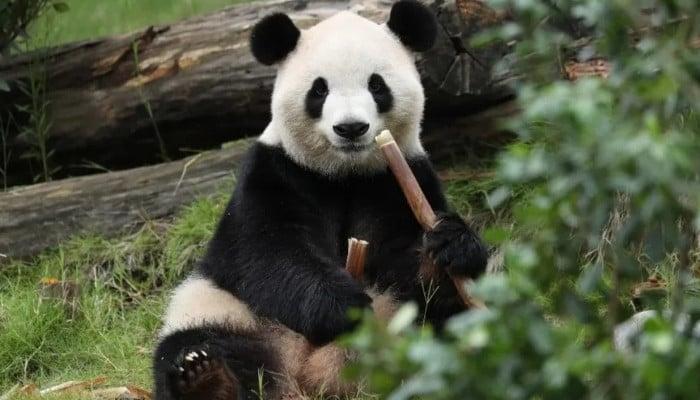
PBS, by contrast, reported that the new pandas for Zoo Atlanta would be Ping Ping and Fu Shuang, and it said the earlier agreement between the zoo and China concluded in 2024, with Lun Lun and Yang Yang giving birth to seven bears.
The Telegraph likewise discussed the zoo’s 25-year-long partnership that first started in 1999 and said the two remaining pandas in the zoo’s custody had been returned to China in 2024, while additional pandas were sent to Washington’s National Zoo and the San Diego zoo that same year.
The Washington Examiner framed the renewed exchange as “panda diplomacy” ahead of a planned summit between Donald Trump and Xi Jinping, and it said the new agreement would focus on research areas including disease prevention, breeding, and conservation.
Together, the reporting underscores that the diplomatic program is recurring, with the zoo’s history in Atlanta and the 2024 return of pandas to China serving as a recurring reference point.
Panda diplomacy’s arc
Beyond the immediate Atlanta transfer, the sources lay out a longer historical arc for panda diplomacy and connect it to broader U.S.-China relations.
“China has announced that it will send two giant pandas to Zoo Atlanta in the US as their latest efforts of panda diplomacy, less than a month before President Trump's planned visit”
Al Jazeera traced the practice back to the Tang Dynasty, describing that “Empress Wu Zetian sent a pair of pandas to Japanese Emperor Tenmu in 685 CE,” and it said the term panda diplomacy was first used during the Cold War.
It also said the People’s Republic of China used panda diplomacy in the 1950s and that between 1957 and 1983, under Mao Zedong's leadership, China lent 24 pandas to nine countries to build friendships, naming the former Soviet Union, North Korea, and the United States on the occasion of President Nixon's visit, and the United Kingdom because Prime Minister Edward Heath's visit.
The Telegraph similarly described the practice becoming known as “Panda Diplomacy” after China gave two to the United States under the Nixon administration in 1972, and it added that pandas had previously been sent over in 1941 before the Second World War.
PBS and Global Times both emphasized the 1972 gift to the National Zoo in Washington as a symbol of U.S.-China friendship, with PBS stating that “Giant pandas have been a symbol of the U.S.-China friendship ever since Beijing gifted a pair of pandas to the National Zoo in Washington in 1972.”
The sources also included a conservation and classification context, with PBS noting that the International Union for Conservation of Nature took pandas off its endangered list in 2016 and classified them as “vulnerable” instead.
More on China
Trump Extends U.S.-Iran Ceasefire Indefinitely After Iran Misses Talks in Islamabad
21 sources compared

Baroness Jacqui Smith Moves To Make Phone Bans Statutory In England Schools
10 sources compared
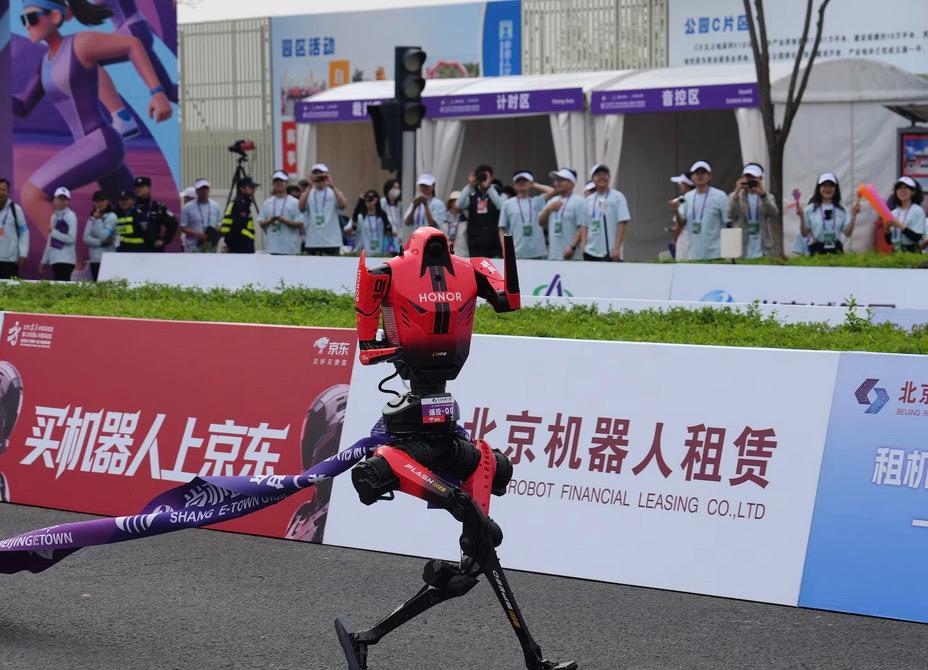
Honor Robot Wins Beijing Half-Marathon, Beating Jacob Kiplimo’s World Record
15 sources compared

Canada Cuts Tariffs on Chinese Electric Vehicles, Capping Imports at 49,000 Per Year
15 sources compared