Sportsupdated 1h ago3 min read
Archive photo · 16 June 2026China Takes Mbappé Apology Seriously After Mao Zedong ‘Chinese Dictator’ Comments
“They tried AI chatbots, which are just as censored as the Chinese internet”
“The clip of the video interview with French show The Bridge — since taken down”
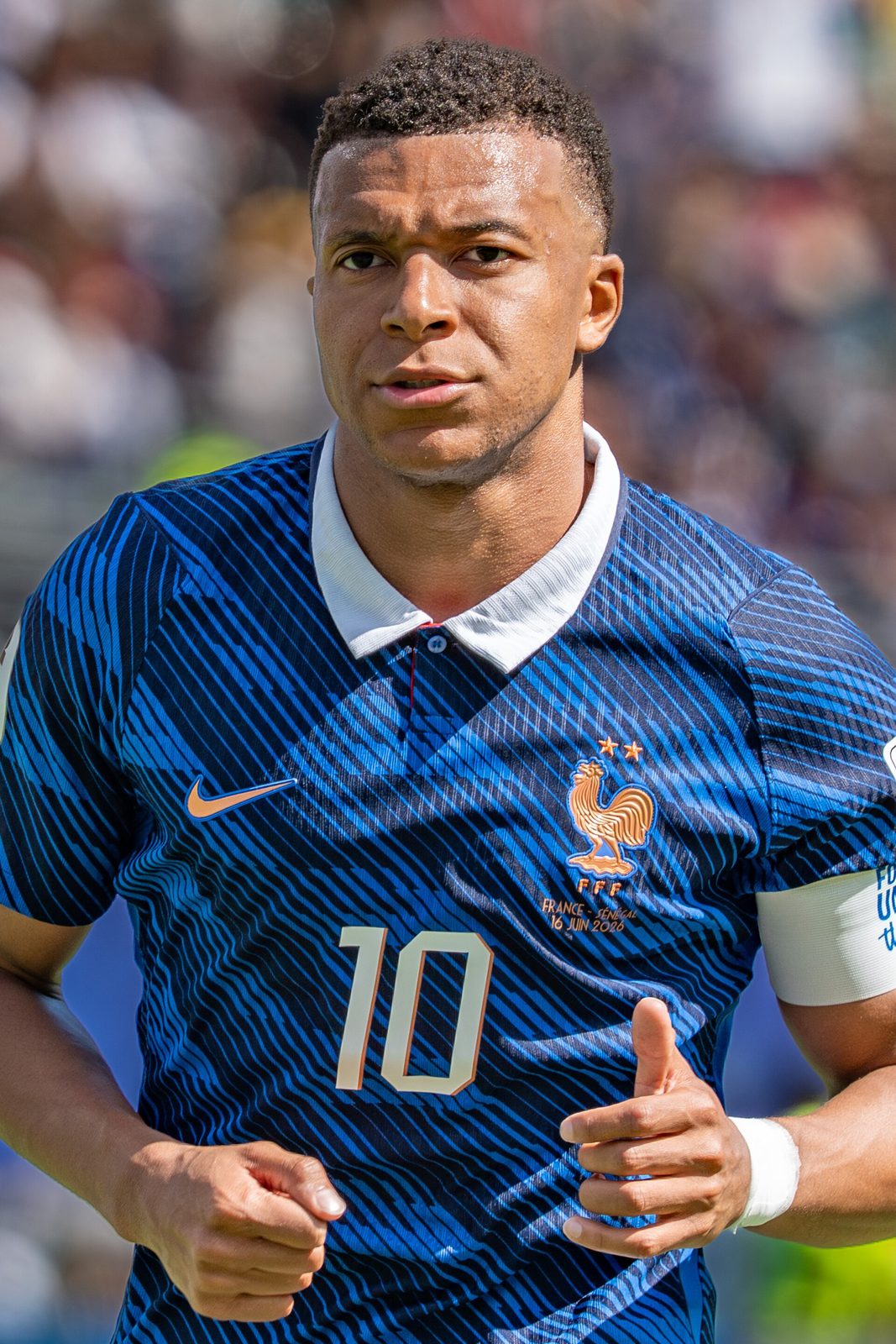
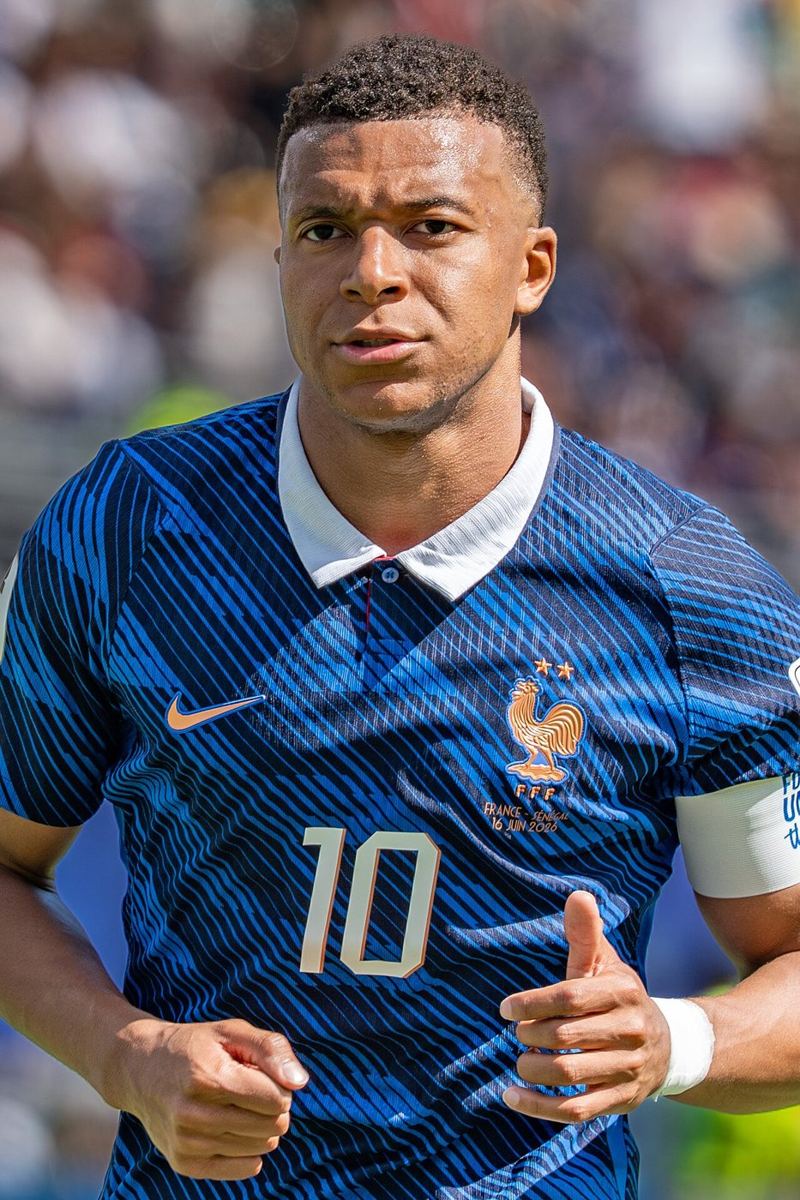
Photo: Bryan Berlin / WikiPortraits, CC BY-SA 4.0 · Cropped for layout
This article is an automated aggregation of coverage from news outlets. Our editorials offer in-depth analysis curated by the NewsCord team.
Mbappé apologized for Mao Zedong remark; China says it takes the apology seriously. China suspended La Liga broadcasts and Mbappé advertisements on state TV.
Save coverage image
Mbappé apologises after Mao joke
Kylian Mbappé faced a social media storm in China after a clip from The Bridge showed him joking about a meme that superimposed his face on “some guy, think he’s a Chinese dictator,” an apparent reference to Mao Zedong.
Mbappé later said, “My comment was ill-judged and I now understand that it hurt many people in China and in Chinese communities around the world. I apologise to everyone my words have upset,” as he attended the Ballon d'Or ceremony in London.
China’s foreign ministry spokesperson Guo Jiakun said, “We take seriously the apology the individual concerned has made,” after China Media Group suspended broadcasts of La Liga matches.
The controversy also triggered brand cutoffs in China, with Chinese beverage giant Dongpeng scrapping its partnership with the player and dairy firms Mengniu and Milkground ending agreements.
The fallout extended to Chinese state television, which suspended broadcasts of the world’s second-richest football league after England’s Premier League, while Chinese social media accounts were frozen and a Weibo notice stated that “the user has been banned from following due to violating laws or the Weibo Community Convention.”
Brands, broadcasters, and officials
La Liga president Javier Tebas issued a public apology and stressed La Liga’s commitment to preserving its partnerships with China after Chinese state television suspended LaLiga broadcasts and other matches involving Mbappé.
China Media Group hardened its position, with a spokesman from its Sports and Youth Programs Center warning, “As long as Real Madrid does not present an adequate apology, there is nothing to discuss,” while the CMG line also included “Any word or action that wounds the feelings of the Chinese people will inevitably face the collective rejection of all sectors of Chinese society.”
Real Madrid later published a statement that said, “Real Madrid C. F. wishes to express its apologies to the Chinese people for the displeasure that the recent words of our player Kylian Mbappé may have caused.”
The People’s Daily framed the episode as a warning for foreign celebrities, saying, “No brand wants to associate with a burden,” while Global Times argued in an editorial titled “Mbappé has fallen, and he deserves it.”
Guo Jiakun told reporters, “We attach importance to the apologies presented by the person involved,” as Beijing acknowledged the apology but did not offer guarantees or deadlines about lifting measures.
What comes next for football
The diplomatic and commercial dispute left Mbappé’s games unavailable to viewers in China, as the fallout continued after the apology and after Dongpeng, Mengniu, and Milkground said they were ending agreements. The controversy also kept pressure on Real Madrid, with CMG demanding accountability from the club and with the state broadcaster continuing to suspend LaLiga broadcasts without clarifying when the Spanish championship games would return. Real Madrid’s apology sought to align with the Chinese demand, as the club said it joined Mbappé’s public apologies and reiterated “deep respect for China, its history, its culture, and its citizens.”
“We will listen to his words, but, above all, we will observe his deeds.”
The BBC described how China’s censorship system cut “1.4 billion people off from the global internet,” and it said many users did not know exactly what had happened even as the accusation of “hurting the feelings of the Chinese people” triggered anger. The dispute therefore remained unresolved in the sources, with Beijing saying it would “listen to his words, but, above all, we will observe his deeds,” while Guo Jiakun repeated that China attached importance to the apologies without confirming any immediate easing.