Lebanon · 02 May, 2026 · 6 min read
China Urges UN Security Council To Reconsider UNIFIL Troop Withdrawal From Lebanon
China, as UNSC president in May, urges reconsideration of UNIFIL mandate ending this year. China expresses deep concern about Lebanon and ongoing fighting.
The casualty figure precision (exact number vs approximate).
4 of 5 outlets skipped it: waiting for a UN secretariat report expected in June before taking China’s position..
Al Jazeera was read line by line by the Watchdog: 3.5. See the score →
12outlets compared
Same story, two versions
tap a side to read it in full
Al Jazeera
““...the UNSC unanimously resolved last year to begin withdrawing the UNIFIL mission’s 10,800 international peacekeepers by December 2026.””Read the original ↗
Masrawy
““And last year, the Security Council unanimously agreed to begin withdrawing the mission by the end of 2026.””Read the original ↗
Al Jazeera specifies the force size (10,800) and the month (December 2026), while Masrawy uses a less precise “end of 2026” formulation, which can affect how readers interpret the concreteness and implementation detail of the drawdown plan.
UNIFIL Withdrawal Debate
China’s ambassador to the United Nations, Fu Cong, urged a reversal of the UN Security Council’s decision to terminate the mandate of the longstanding peacekeeping mission in Lebanon, UNIFIL, which is due to end later this year.
Speaking to reporters on Friday at the UN headquarters in New York, Ambassador Fu said there is a need to “re-examine the UN Security Council’s decision to terminate the mandate” of UNIFIL.

Fu described the situation in Lebanon as lacking a genuine ceasefire, saying the conflict is merely a “lesser fire.”
“We do believe that we should revisit the decision, actually, to withdraw the UNIFIL,” Fu said, using the acronym for the UN Interim Force in Lebanon.
He added that “at least the view of the overwhelming majority of the Security Council is that this is not the time to really, to withdraw the UNIFIL out of that part of the country.”
Fu said China is waiting for a report from the UN secretariat, expected in June, “before we take our position,” linking the timing of China’s stance to the UN’s next assessment.
The Al Jazeera account also ties the UNIFIL mission to its original purpose of overseeing the withdrawal of Israeli troops after the 1978 invasion and notes that UNIFIL’s mandate expanded after the 2006 war between Israel and Hezbollah.A
Escalation and Casualties
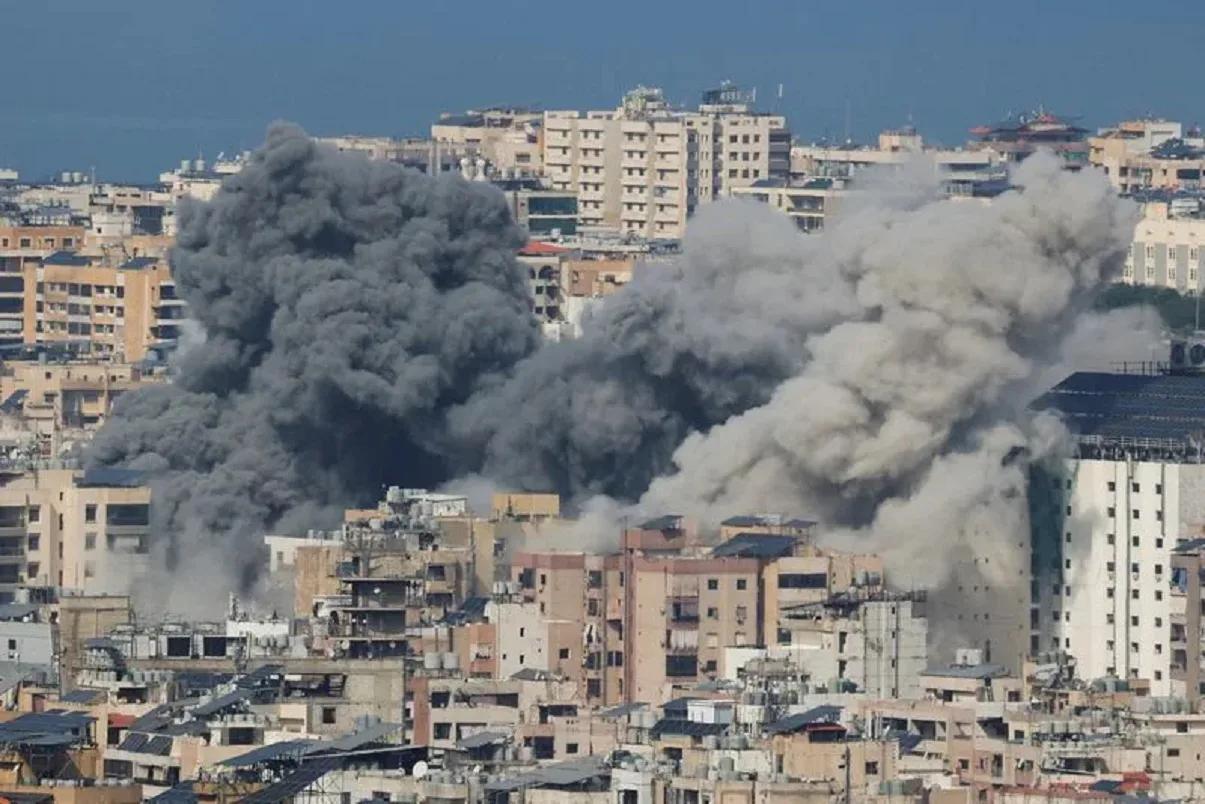
Al Jazeera places China’s call within a broader escalation that it describes as having intensified since March 2, when Israeli attacks on Lebanon began.A
According to Lebanese authorities cited by Al Jazeera, Israeli attacks on Lebanon since March 2 have killed 2,618 people and forced more than one million to flee their homes.A

Al Jazeera also says UNIFIL has faced a growing number of casualties, adding that “at least six peacekeepers have been killed and many others injured since Israel began its attack on March 2.”A
The deaths include soldiers from various contributing nations, including Indonesia and France, who have been caught in shelling incidents and roadside attacks.
UN Secretary-General Antonio Guterres condemned these incidents, noting that the UN’s “blue helmets” have come under fire while performing essential duties, such as clearing explosive ordnance and escorting logistics convoys.
The Vietnam.vn article similarly states that statistics indicate Israeli airstrikes on Lebanon since March 2 have killed more than 2,500 people, and it frames the violence as erupting after Hezbollah fired at Israel in support of Iran.
Masrawy likewise says “More than 2,500 people have died in Israeli airstrikes across Lebanon since March 2,” and it links the sequence to Hezbollah’s attack on Israel in support of Iran and the subsequent ground and air campaign that caused widespread destruction in southern Lebanon.M
China’s Framing and UN Officials
Fu Cong’s remarks did not only focus on UNIFIL’s future; he also assigned responsibility for the bombardment and described the ceasefire situation in Lebanon.
“It is incumbent on Israel to stop this bombardment of Lebanon”
Al Jazeera reports that Fu said, “It is incumbent on Israel to stop this bombardment of Lebanon,” and it places that statement alongside his argument that the Security Council should not withdraw UNIFIL “out of that part of the country.”A
The Vietnam.vn account similarly says Fu told reporters that Israel bears responsibility for ending the bombardment of Lebanon, and it adds that Fu said he discussed the matter with UN Secretary-General Antonio Guterres.
Masrawy also reports that Fu “spoke recently about this matter with UN Secretary-General Antonio Guterres,” and it repeats that Fu said the decision to withdraw UNIFIL should be reconsidered.M
In Al Jazeera’s account, UN Secretary-General Antonio Guterres condemned incidents involving UN peacekeepers and said the UN’s “blue helmets” have come under fire while performing essential duties.A
The Vietnam.vn article adds that the UN Secretariat is studying an assessment report and is expected to present options in June to implement Resolution 1701, which it describes as the document that ended the deadly 2006 conflict between Hezbollah and Israel.
It also states that Jean-Pierre Lacroix, head of the UN peacekeeping force, noted last month that some form of UN presence could be maintained even after UNIFIL’s mission ends, and Masrawy attributes a similar point to Lacroix.M
Mandate Timeline and Process
The debate over UNIFIL’s end date is anchored in a Security Council decision described by Al Jazeera as having been made unanimously last year, with the mission’s 10,800 international peacekeepers scheduled to begin withdrawing and to be completed by December 2026.A
Al Jazeera says the UNSC unanimously resolved last year to begin withdrawing the UNIFIL mission’s 10,800 international peacekeepers by December 2026, and it frames UNIFIL as responsible for a demilitarised buffer between opposing sides.A
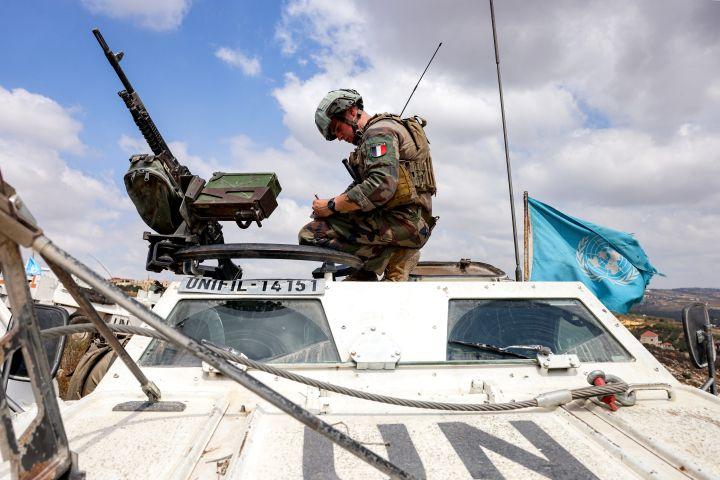
It also notes that UNIFIL’s mandate was expanded after the 2006 war between Israel and Hezbollah and that the mission is responsible for a demilitarised buffer between the opposing sides.
Fu Cong’s intervention comes as China assumed the council’s rotating presidency for May, and Al Jazeera reports that he spoke to reporters on Friday at the UN headquarters in New York.A
Fu told reporters that China is waiting for a report from the UN secretariat, expected in June, “before we take our position,” and he argued that the “overwhelming majority of the Security Council” view is that “this is not the time” to withdraw UNIFIL.
The Vietnam.vn article adds that the UN Secretariat is examining a review and is expected to present options in June to implement Resolution 1701.
Masrawy similarly says the UN Secretariat is examining a review and will present options in June to implement Security Council Resolution 1701.M
UNIFIL’s Role and China’s Offer
Beyond the withdrawal question, the sources describe what UNIFIL does and what China’s position implies for the mission’s continued presence.
“patrolling the border between southern Lebanon and Israel”
Al Jazeera explains that UNIFIL was created to oversee the withdrawal of Israeli troops after the 1978 invasion and that it saw its mandate expanded after the 2006 war between Israel and Hezbollah, with responsibility for a demilitarised buffer between opposing sides.
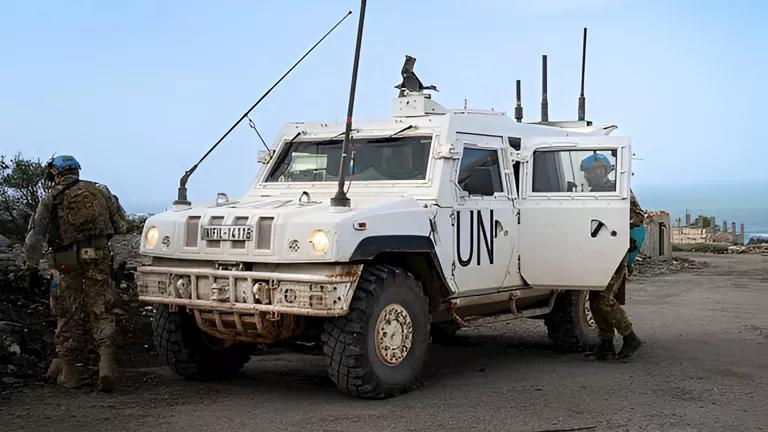
The Vietnam.vn account adds that UNIFIL, established in 1978, is currently responsible for patrolling the border between southern Lebanon and Israel.
It also states that the UN Secretariat is expected to present options in June to implement Resolution 1701, and it reports that Jean-Pierre Lacroix said last month that some form of UN presence could be maintained even after UNIFIL’s mission ends.
Masrawy echoes that Lacroix had stated that some form of UN presence might continue after UNIFIL’s mandate ends, and it frames this as part of the discussion around what comes next.M
Al Jazeera’s account emphasizes that UNIFIL peacekeepers have been performing essential duties, including clearing explosive ordnance and escorting logistics convoys, even as “blue helmets” have come under fire.
In that context, Fu’s insistence that it is “not the time” to withdraw UNIFIL is presented as a response to the ongoing conflict conditions and the risks to peacekeepers.