Gaza Genocide · 02 May, 2026 · 7 min read
RFI Traces Gaza War History From UN Partition Vote on November 29, 1947
UN partitioned Palestine into two states on November 29, 1947. Israel has faced numerous wars and armed conflicts with its Arab neighbors since 1948.
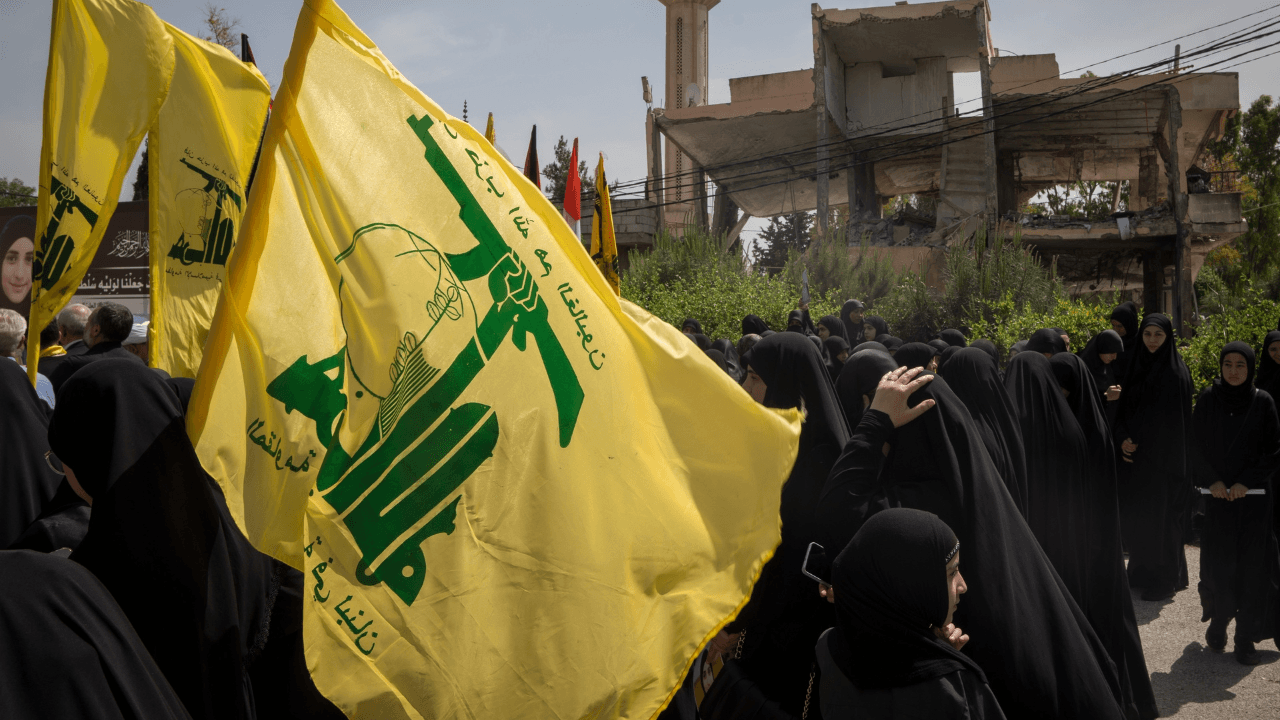
Hezbollah funeral framing and Hezbollah’s claim of continued resistance amid Israeli overflights/strikes.
9 of 10 outlets skipped it: UNSCOP details: composition of 11 non-directly-involved states and its recommendation for a two-state creation in Palestine (Sept., post-investigation)..
10outlets compared
Same story, two versions
tap a side to read it in full
PParismatch
““The Hezbollah leader promised on Sunday, before tens of thousands of his supporters, to continue the 'resistance' against Israel””Read the original ↗
France 24
““The enemy must know that the resistance against occupation, oppression and arrogance will not end and will continue until its ultimate goal,””Read the original ↗
Both describe the same funeral/resistance messaging, but differ in emphasis: Parismatch foregrounds Nasrallah’s promise to continue resistance; France 24 foregrounds Iran’s supreme-leader framing tied to “occupation, oppression,” sharpening the ideological conflict.
A war framed by history
The war on Gaza is being narrated in the language of long historical ruptures, with RFI laying out a timeline that begins with the United Nations partition of Palestine on November 29, 1947 and follows subsequent conflicts through the first Arab-Israeli war and the creation of Israel.
“On November 29, 1947, the United Nations partitioned Palestine into two states, one Jewish and the other Arab.”
RFI says that on November 29, 1947 the UN voted Resolution 181 establishing a partition plan into two states, one Arab and the other Jewish, with “Thirty-three countries voted in favor, 13 against, and 10 abstained.”
It also recounts that the plan would place “Jerusalem and the Holy Places” under “international trusteeship” and provide “economic unity between the two states” through “a customs union, a common monetary system, a single administration of major services, and equal access to water and energy sources.”
RFI then describes how fighting intensified between the two communities and cites April 9–10, 1948 as the “exodus of the Palestinians,” linking it to massacres of Palestinian villagers and the destruction of several villages.
In the same historical frame, RFI quotes David Ben-Gurion’s May 14, 1948 proclamation that “we have solemnly met on this day of the expiration of the British mandate on Palestine to proclaim the establishment of a Jewish state.”
The RFI timeline also includes the first Israeli-Arab war ending with Israel expanding its territory by “about 7,000 square kilometers,” while the Gaza Strip “remains in Egyptian hands.”
While RFI’s account is not a Gaza battlefield report, it supplies the historical scaffolding that other sources in this set use to interpret present-day conflict dynamics.
Ceasefire roadmap and political risk
As the war on Gaza continues, Le Monde frames the diplomatic effort around a “plan for a permanent ceasefire” presented on May 31 by Joe Biden, describing it as “well balanced” while noting that “some points would certainly benefit from clarification in the sequencing of the steps.”
Le Monde says the plan offers “two major things: to the Palestinians simply the end of bombardments and military operations; to the Israelis the return of hostages still held (or, unfortunately, deceased).”
It adds that Biden “deliberately made public this roadmap to pressure the two parties involved,” but argues “the bet is far from won” given “the initial reactions.”
On the Israeli side, Le Monde writes that Benjamin Netanyahu “risks not being content with a Hamas that is merely diminished, but aiming for the eradication of the Palestinian group.”
It further says that “accepting this plan would expose him to the risk of being dumped by the extremists in his government (Ben Gvir, Smotrich) and thus losing his majority.”
On the Hamas side, Le Monde says “continuing the fight is, besides demonstrating its ability to endure, to keep the Israeli army in the Gaza trap and to permanently tarnish Israel in the eyes of a large part of the world.”
The article concludes that “the American initiative is welcome, but it is not certain that it will materialize,” tying the ceasefire’s fate to internal political constraints and battlefield incentives.
Hezbollah’s funeral politics echo Gaza
While the war on Gaza is the central conflict, Parismatch and lanouvellerepublique.fr place Hezbollah’s public messaging in direct continuity with “resistance” against Israel, explicitly linking Lebanon’s political theater to Gaza.
“to support its Palestinian ally, Hamas, in its war against Israel in the Gaza Strip”
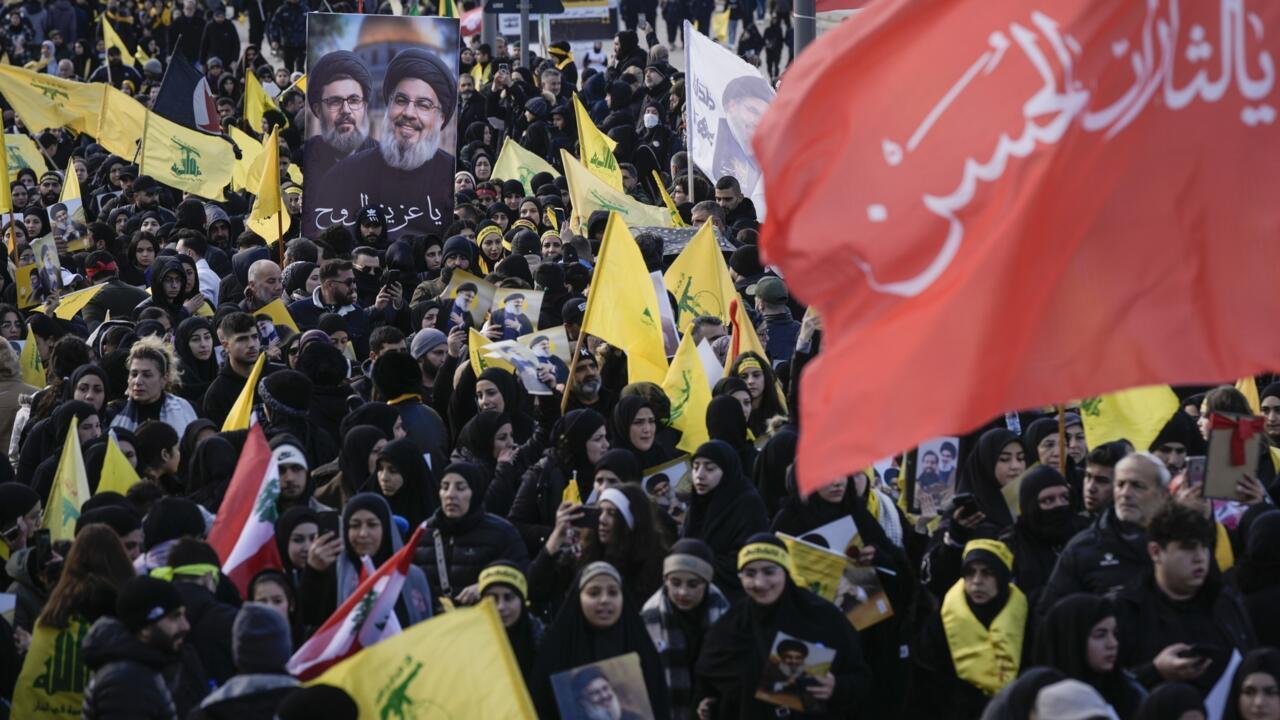
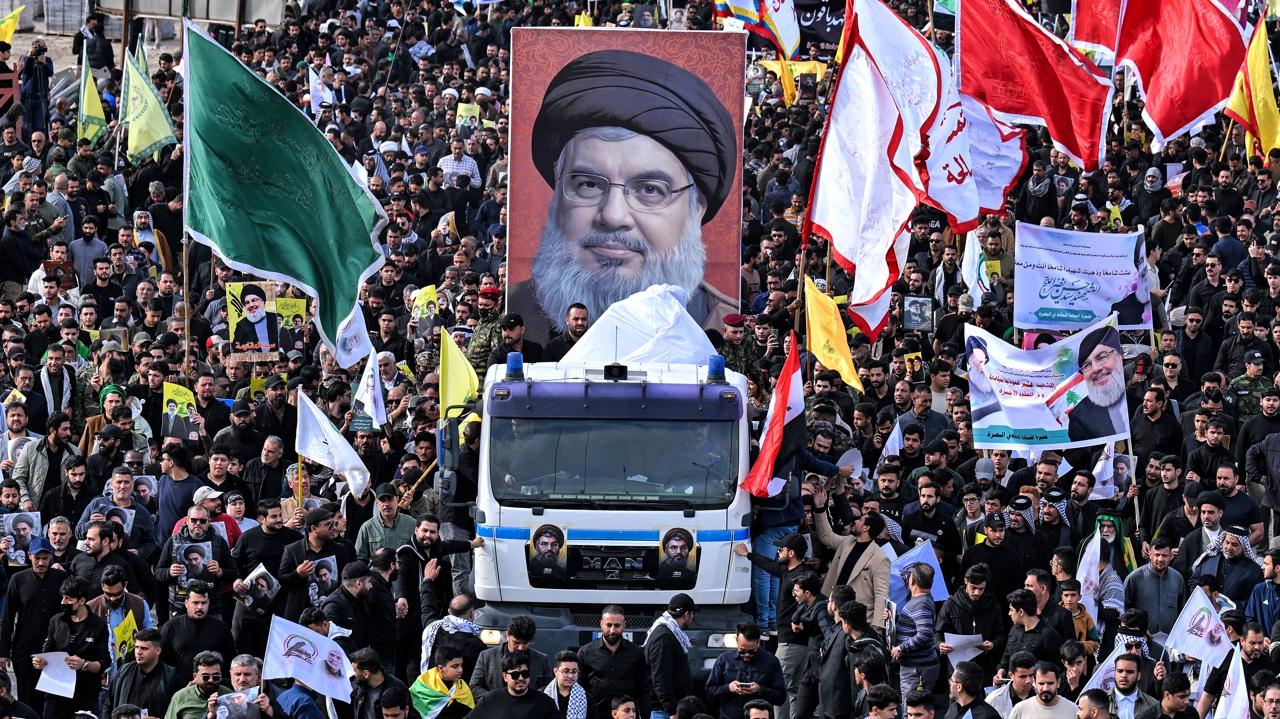
Parismatch reports that at Hassan Nasrallah’s funeral in Beirut, the Hezbollah leader promised “to continue the 'resistance' against Israel during imposing funeral proceedings in Beirut for his two predecessors killed in Israeli strikes.”P
It says participants repeated “Nasrallah, we remain faithful to the promise,” and that Naïm Qassem told supporters, “Nasrallah 'remains alive in us,' said Naïm Qassem.”
Parismatch also quotes Hezbollah’s insistence that “The 'resistance' against Israel 'is not over yet,' nonetheless stressed Naïm Qassem,” while Israeli Defense Minister Israel Katz characterized Israeli overflights as “a 'clear message' to 'anyone who threatens to destroy Israel.'”P
The same source states that Hezbollah had opened hostilities in October 2023 from southern Lebanon “to support its Palestinian ally, Hamas, in its war against Israel in the Gaza Strip.”
In lanouvellerepublique.fr, the funeral scene repeats the same linkage, with the Hezbollah leader vowing on February 23, 2025 “to continue the 'resistance' against Israel at a grand funeral in Beirut for his two predecessors killed in Israeli strikes.”
That article quotes Naïm Qassem saying “Hassan Nasrallah remains alive in us,” and adds that Israeli aircraft flew low over the stadium and “carried out strikes on the south and east of the country.”
Competing accounts of coercion and detention
Beyond Gaza’s immediate battlefield, Courrier international and Middle East Eye both revisit coercion and detention in Lebanon’s history, offering a lens that intersects with the broader Israel-Hezbollah confrontation.
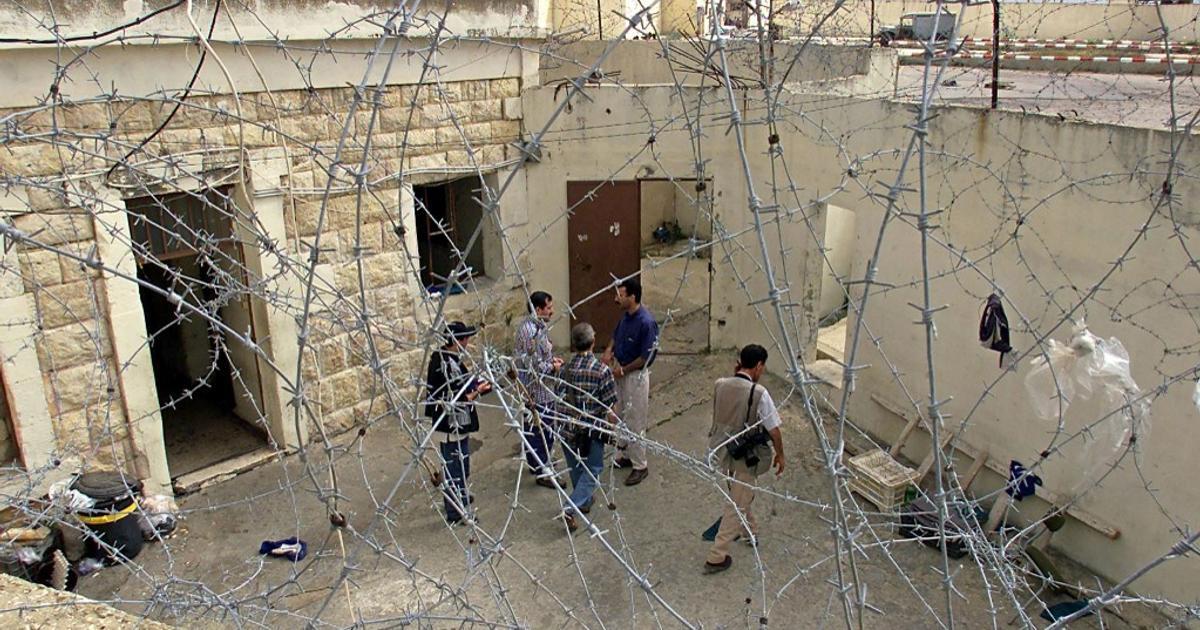
Courrier international says Shin Bet “declassified this week archival documents” that “showing the extreme living conditions of Arab prisoners” at the former Israeli prison of Khiam in southern Lebanon, citing Haaretz.
It states that from 1985 to 2000, “thousands of Lebanese and Palestinians were held prisoners” behind the walls of the detention center “built in this border locality of Israel and run by the South Lebanon Army.”
Courrier international quotes the declassified record’s description of abuses, including “The electrocution of a detainee, … hunger, deprivation of medical care, indefinite detention without trial,” and it attributes a legal assessment to Israeli lawyer Itay Mack: “With the South Lebanon Army, the Israeli army and Shin Bet ran a detention and torture center resembling those of military dictatorships in Latin America.”
The article also quotes Dan Yakir, legal adviser of the Association for Civil Rights in Israel, saying “The Israeli army, in general, and the Shin Bet, in particular, have been up to their necks in governing the civilian population in South Lebanon and in the illegal imprisonment of hundreds of detainees for an unlimited period without any legal basis.”
Middle East Eye, meanwhile, describes the Khiam detention center as a “prison of shame” and says it was maintained by the “Party of God” and “former detainees since its release on May 23, 2000.”
It provides a testimony from Ahmed Hussein al-Amine describing torture methods, including: “To make us talk, [the ALS jailers] would suspend us naked from a post in the courtyard, nicknamed ‘the column of suffering,’ then … they would deliver electric shocks.”
Battlefronts and the Gaza spillover
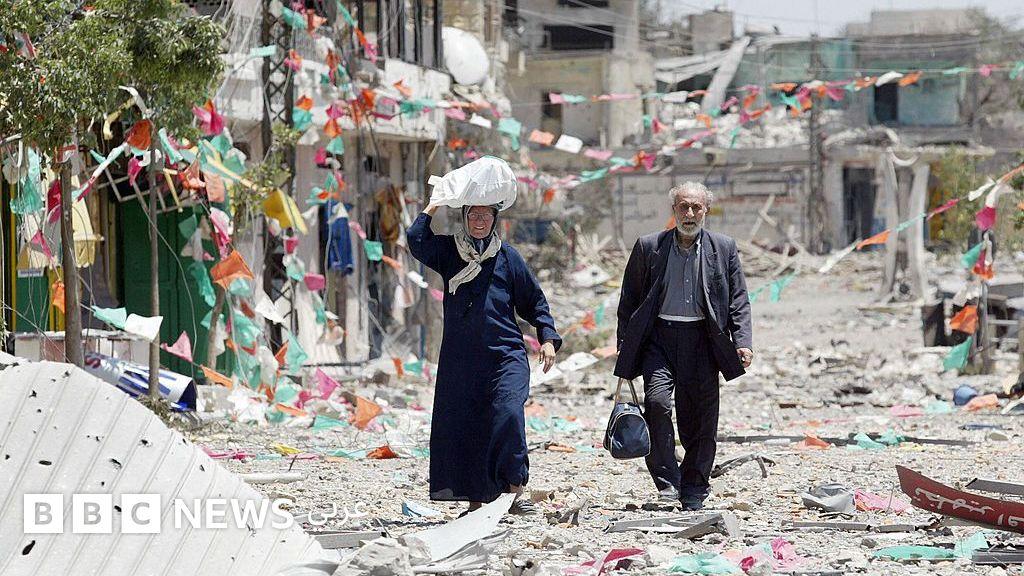
BBC’s reporting from southern Lebanon ties the Gaza war to a wider regional battlefield by describing escalation in clashes between the Israeli army and Hezbollah fighters around Bint Jbeil, a city that BBC calls “the city at the forefront of the battlefronts in southern Lebanon.”
“Bint Jbeil: the city at the forefront of the battlefronts in southern Lebanon”
The BBC says the Israeli army “has surrounded the city” and “managed to kill and arrest a number of Hezbollah militants,” while Hezbollah says its fighters are “still resisting Israeli attempts to advance.”
It reports that the Israeli army published photos and videos of its soldiers inside Bint Jbeil and says its forces arrested “three Hezbollah fighters in the city on April 14,” while also announcing “10 of its soldiers were wounded in the battles of Bint Jbeil” and that “a major was killed.”
BBC also situates Bint Jbeil in the context of earlier wars with Israel, stating that the city hosted in 2000 a festival celebrating the Israeli withdrawal from Lebanon attended by Hassan Nasrallah, who was assassinated by Israel in September 2024.
The BBC adds that Bint Jbeil has become a “central focus in the ongoing battles in recent days,” with “a clear Israeli insistence on controlling it,” and it links this to “a direct diplomatic meeting between Lebanon and Israel in Washington, for the first time in decades.”
It describes Bint Jbeil’s geography and strategic height, saying it “stands 770 meters above sea level” and is “about three kilometers from the southern border of Lebanon,” with an area of “9.10 square kilometers” and a population “does not exceed six thousand.”
Finally, BBC quotes or paraphrases the symbolic language of the conflict by referencing Hassan Nasrallah’s description of Bint Jbeil as the “capital of the resistance and liberation,” and it notes that Israeli army spokesperson Avichay Adraei revived Nasrallah’s phrase on April 13 on X.