
US Pushes Joseph Aoun To Meet Benjamin Netanyahu As Hezbollah Rejects Israel Talks
Key Takeaways
- U.S. pressure to hold direct Lebanon-Israel talks, urging Aoun–Netanyahu meeting.
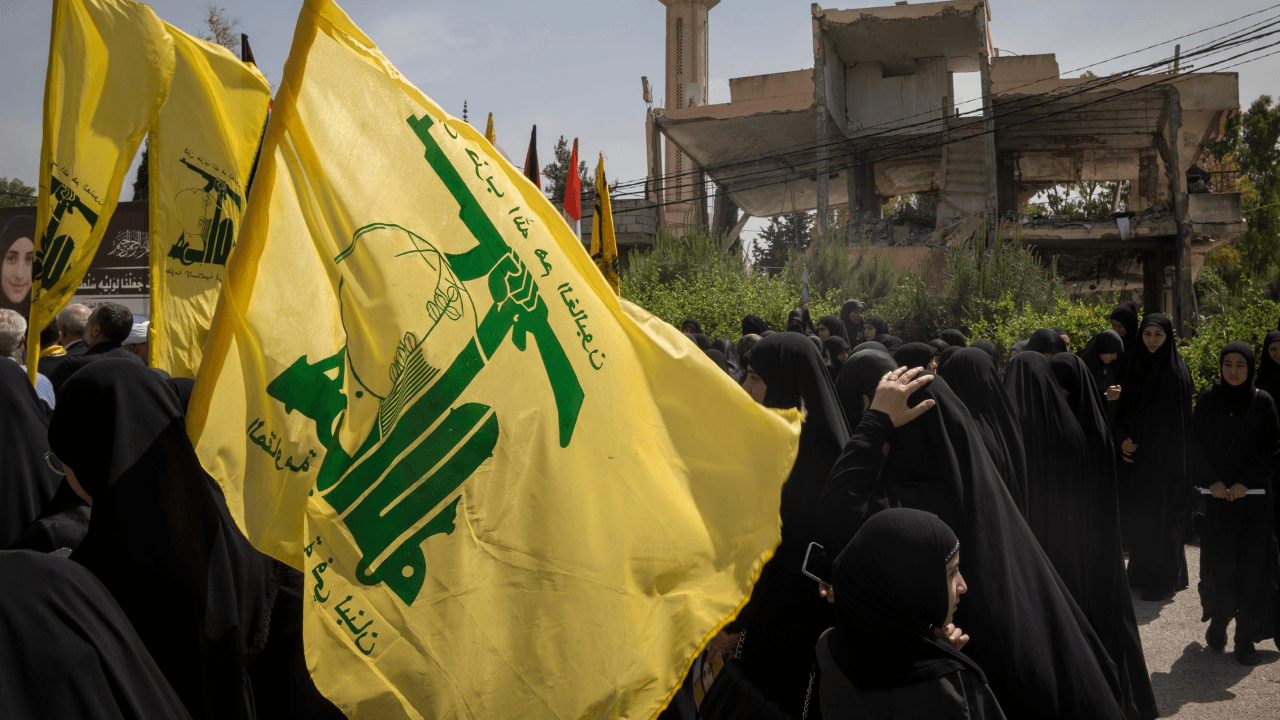
- Hezbollah opposes talks and disputes the presidency's approach toward negotiations.
- Aoun demands a ceasefire before negotiations with Israel resume.
Ceasefire, then talks
Lebanon’s political and military standoff has narrowed into a single diplomatic question: whether Lebanese President Joseph Aoun will pursue direct negotiations with Israel while Hezbollah rejects them.
“Lebanese President Joseph Aoun firmly rejected any attack on places of worship and religious figures, saying that confessional coexistence is an intangible pillar of the national pact”
Multiple outlets describe the push as centered on a US-backed effort to arrange a meeting between Aoun and Israeli Prime Minister Benjamin Netanyahu, framed as a way to secure an Israeli withdrawal from southern Lebanon and restore Lebanese state control there.

The US Embassy in Lebanon, as quoted by Asharq Al-Awsat English, said a direct meeting “facilitated by President Trump, would give Lebanon the chance to secure concrete guarantees on full sovereignty, territorial integrity, secure borders, humanitarian and reconstruction support, and the complete restoration of Lebanese state authority over every inch of its territory -- guaranteed by the United States.”
The same language appears in The Times of Israel and The Media Line, both emphasizing that Lebanon “stands at a crossroads” and that direct engagement “can mark the beginning of a national revival.”
France 24 adds that Lebanon and Israel have been “officially at war since 1948,” and that the taboo on talks was broken only after “the two latest conflicts,” including a war triggered when Hezbollah fired at Israel on March 2.
In parallel, the ceasefire timeline is anchored by the claim that a truce took effect on April 17, with France 24 describing Aoun’s April 17 remarks that “all Lebanese were ‘in the same boat’ and that no one should commit the ‘crime’ of sinking it.”
The dispute is therefore not just about diplomacy, but about whether the ceasefire can be converted into “permanent agreements,” a phrase attributed to Aoun in The Times of Israel.
US pressure and Hezbollah refusal
The US message to Lebanon is presented as both an invitation to dialogue and a pressure campaign tied to the ceasefire’s fragility.
Asharq Al-Awsat English reports that Aoun is pushing to “lock in a ceasefire and halt Israeli strikes on civilians before Lebanese and Israeli representatives resume bilateral talks in Washington,” while Hezbollah “continues to vehemently reject the negotiations.”
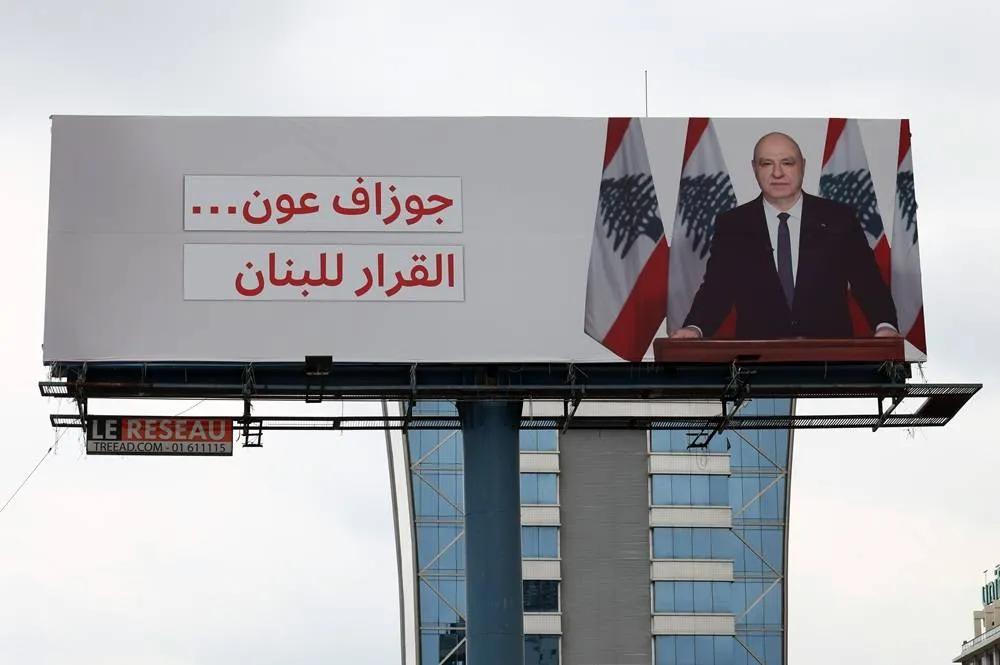
It also states that Aoun is “under pressure from both sides,” with the United States urging direct engagement “including a meeting between Aoun and Israeli Prime Minister Benjamin Netanyahu,” and Hezbollah rejecting direct talks “outright.”
The Media Line and The Times of Israel both attribute to the US Embassy the claim that “A direct meeting between President Aoun and Prime Minister Netanyahu, facilitated by President Trump, would give Lebanon the chance to secure concrete guarantees” and that direct engagement “can mark the beginning of a national revival.”
In the same reporting stream, Hezbollah’s position is described as uncompromising: Al-Sharq says Hezbollah Secretary-General Naim Qassem announced that “direct negotiations are categorically rejected,” adding that “those in power should know their performance will not benefit Lebanon or themselves.”
France 24 similarly quotes Hezbollah’s leader as warning that direct negotiations risk dragging Lebanon “into a cycle of instability,” and it describes Hezbollah as accusing the authorities of leading the country toward “capitulation.”
Against that backdrop, the ceasefire is not portrayed as a full stop to violence: Sky News Arabia says that “the Israeli army continues to carry out attacks in southern Lebanon,” and it cites a spokesperson calling for the evacuation of “more than 20 villages.”
Aoun’s case for negotiations
Aoun’s argument for direct talks is portrayed across outlets as a defense of state authority and a rejection of “treason” accusations.
“(CNN) -- The Lebanese President Joseph Aoun spoke by telephone with U”
France 24 reports that Aoun is “committed to the option of negotiations,” describing it as “the choice of the Lebanese state and there will be no turning back,” and it quotes him on April 17 saying all Lebanese were “in the same boat” and that no one should commit the “crime” of sinking it.
The same outlet says Aoun argues that only direct negotiations can “durably stop the war and lead to Israel's withdrawal from southern Lebanon,” and it frames the goal as “the delimitation of borders and the end of the state of hostility.”
L’Orient Today provides a more political reading of Aoun’s position, saying his diplomatic initiative “broke the taboo of direct negotiations with Israel and helped achieve de-escalation,” and it presents that initiative as “now his chance to save both the country and his mandate.”
SyriacPress adds that Aoun rejected accusations of treason directed at him by Hezbollah and its Secretary-General Naim Qassem, quoting Aoun: “What we are doing is not treason. Treason is committed by those who drag their country into war to serve foreign interests.”
Al-Sharq reports that Aoun confronted Hezbollah “without naming it,” saying “the traitor is the one who has dragged his country into war in pursuit of foreign interests,” and it adds that he asked whether those who went to war “first achieved national consensus.”
It also states that Aoun’s remarks came after Hezbollah’s campaign against him and the government led by Nawaf Salam, including Naim Qassem’s Monday announcement that “direct negotiations are rejected.”
Internal rifts and competing political blocs
Lebanon’s debate over Israel talks is described as splitting the country’s political class, with Hezbollah allies opposing direct negotiations and other parties backing Aoun’s approach.
Asharq Al-Awsat English reports that Hezbollah’s Loyalty to the Resistance parliamentary bloc said the authorities’ move toward direct negotiations is “rejected and condemned,” calling it “a deviation from national principles, a violation of sovereignty, and a contradiction of the Taif Accord and national consensus,” and it adds that the bloc said it is “not concerned at all” with the outcomes.
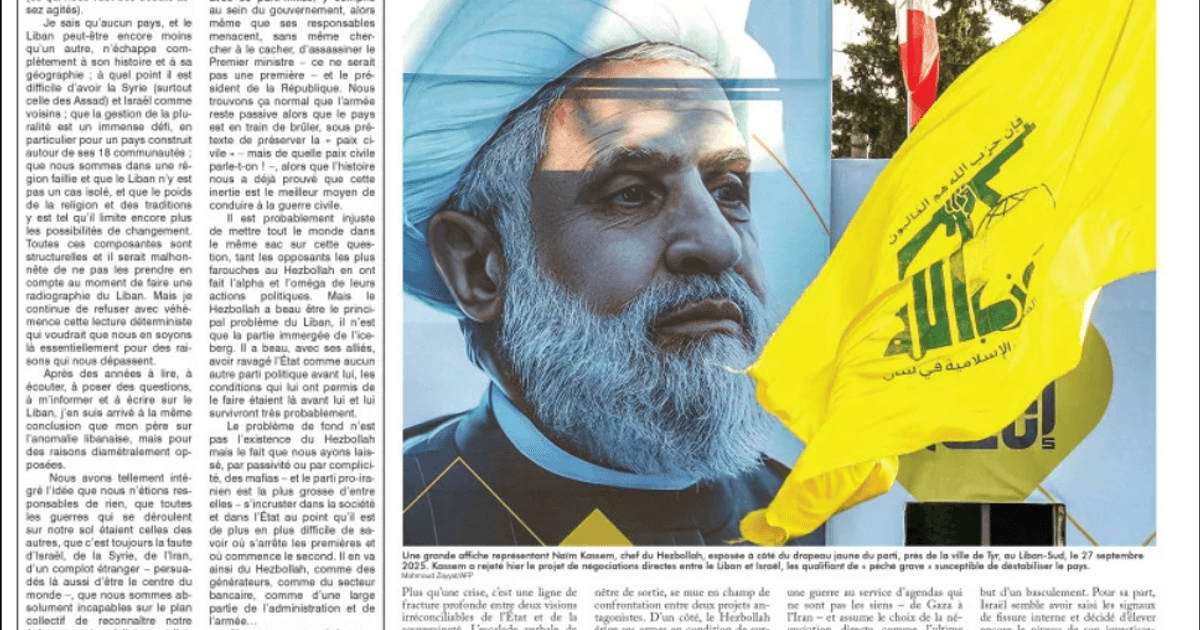
It also says the bloc accused Israel of “daily killings of civilians and systematic destruction of border villages,” calling them “war crimes” that “will not deter people from defending the country, but instead reinforce support for the resistance- Hezbollah.”
At the same time, Asharq Al-Awsat English says the move toward direct talks has drawn support from political forces led by the Lebanese Forces, quoting MP Sethrida Geagea saying Lebanon’s current phase “cannot tolerate more one-upmanship or populist rhetoric,” which she said has only led to “further collapse.”
SyriacPress describes consultations at Baabda Palace with “several Lebanese sovereign parties, including the Kataeb Party,” and it says Kataeb leader MP Samy Gemayel visited to reaffirm backing for President Aoun, Prime Minister Nawaf Salam, and the ongoing negotiation process.
In that account, Gemayel criticized Parliament Speaker Nabih Berri for failing to balance appeasing Hezbollah with upholding “the authority of the state,” and he expressed concern over Hezbollah’s continued refusal to relinquish its weapons.
Al-Sharq adds that the dispute between Aoun and Hezbollah became public on Monday, and it says the disagreement “will be on the agenda at the trilateral meeting between President Aoun, Prime Minister Nawaf Salam, and Speaker Nabih Berri on Wednesday.”
What comes next
The sources converge on a sense that Lebanon’s next phase depends on whether the ceasefire can be stabilized into a broader political arrangement, and whether Hezbollah’s stance prevents the state from consolidating control.
“Beirut, Lebanon (AFP) — They accuse each other of treason: between Lebanese President Joseph Aoun, determined to pursue direct negotiations with Israel, and the pro-Iranian Hezbollah that opposes this, the gulf is widening and divisions in the country are deepening”
France 24 describes the truce terms as reserving for Israel “the right to take, at any time, all necessary measures in self-defense” against Hezbollah, while also saying Lebanon commits to taking “concrete measures” to prevent any Hezbollah attack on Israel “with the support of the international community.”
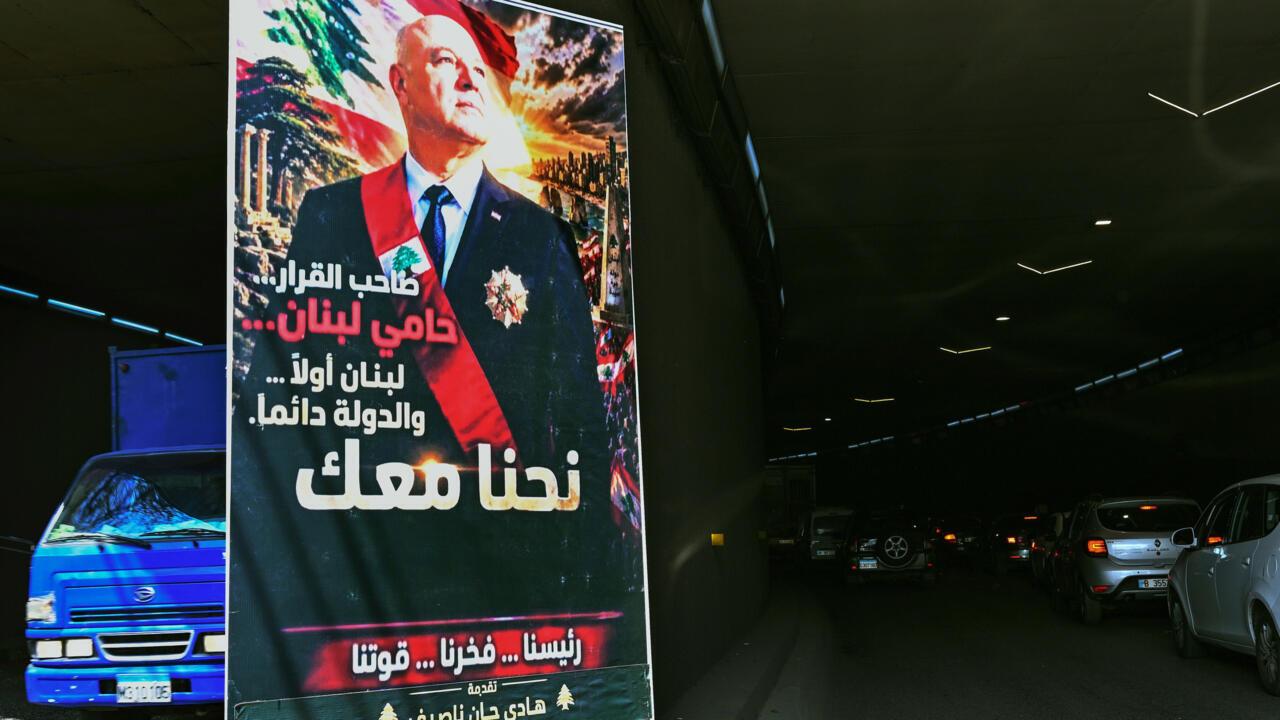
It also says experts and political leaders fear that a clash with Hezbollah could lead to “a split within the army,” and it notes that Hezbollah has reorganized since 2024 its forces to wage what it calls an “existential battle.”
L’Orient Today frames the stakes in terms of Aoun’s political survival, arguing that his diplomatic initiative is “now his chance to save both the country and his mandate,” after he was accused of complacency toward Hezbollah and of missing “the diplomatic train of the ‘new Middle East.’”
The Media Line and The Times of Israel both portray the US as pushing for a meeting that could lead to an Israeli pullout and “restore Lebanese state control,” while also insisting that “The time for hesitation is over.”
At the same time, Sky News Arabia reports that Israeli strikes continue and that Hezbollah is launching attacks with “missiles and drones,” which keeps the ceasefire’s credibility under strain.
Al-Sharq adds that communication between the Lebanese presidency and Hezbollah has been cut off, stating “there is no contact with Hezbollah,” and it describes attempts to establish communications between the Presidency and the United States to halt firing and neutralize infrastructure.
More on Lebanon

Gold Slips as Oil Prices Rise, Keeping Interest Rates Elevated in Lebanon-Linked Tensions
17 sources compared

Hezbollah Drone Kills Israeli Contractor Near Aitaroun, Wounds His Son
11 sources compared
Israeli Strikes Kill At Least 13 In Southern Lebanon, Health Ministry Says
34 sources compared
RFI Traces Gaza War History From UN Partition Vote on November 29, 1947
10 sources compared