China Urges UN Security Council To Revisit UNIFIL Withdrawal Decision In Lebanon
Key Takeaways
- China urges UNSC to re-examine termination of UNIFIL mandate in Lebanon amid escalation.
- UN Security Council extended UNIFIL mandate to December 31, 2026, with gradual withdrawal timetable.
- Ongoing hostilities in Lebanon and lack of a truce motivate Beijing's appeal.
China challenges UNIFIL wind-down
China urged the United Nations Security Council to revisit its decision to wind down the UN Interim Force in Lebanon (UNIFIL), arguing that the situation on the ground does not support an immediate withdrawal.
“China’s ambassador to the United Nations, Fu Cong, has said there is a need to re-examine the UN Security Council’s decision to terminate the mandate of the longstanding peacekeeping mission in Lebanon, which is due to end later this year”
The call came as Beijing assumed the council’s rotating presidency for May, with China’s ambassador to the UN, Fu Cong, speaking to reporters at the UN headquarters in New York.

Fu said, “We do believe that we should revisit the decision, actually, to withdraw the UNIFIL,” and he added that “It is incumbent on Israel to stop this bombardment of Lebanon,” in remarks carried by News18 and Al Jazeera.
Multiple outlets tied the argument to the absence of a stable ceasefire, with Fu describing the conflict as “lesser fire” and stating, “This is not a real truce, but only a reduction in the intensity of fire,” according to News18 and UNN.
The dispute centers on a timeline that the Security Council agreed last year to begin a phased drawdown, with News18 saying the council agreed to begin a phased drawdown “by the end of 2026,” and Al Jazeera adding that the UNSC “unanimously resolved last year to begin withdrawing the UNIFIL mission’s 10,800 international peacekeepers by December 2026.”
Al Jazeera also reported that UNIFIL’s mandate is due to end later this year, while other coverage described the end-of-year decision as part of a longer wind-down.
Fu said he had spoken recently about the issue to UN Secretary-General Antonio Guterres, and he said the UN secretariat was thinking about a review and would come up with options in June for implementing U.N. resolution 1701, as described by News18 and echoed in Al Jazeera’s account of a June report.
Ceasefire doubts and the UNIFIL timeline
China’s argument against the UNIFIL drawdown is framed around ceasefire conditions and the mission’s role along the southern Lebanese border with Israel.
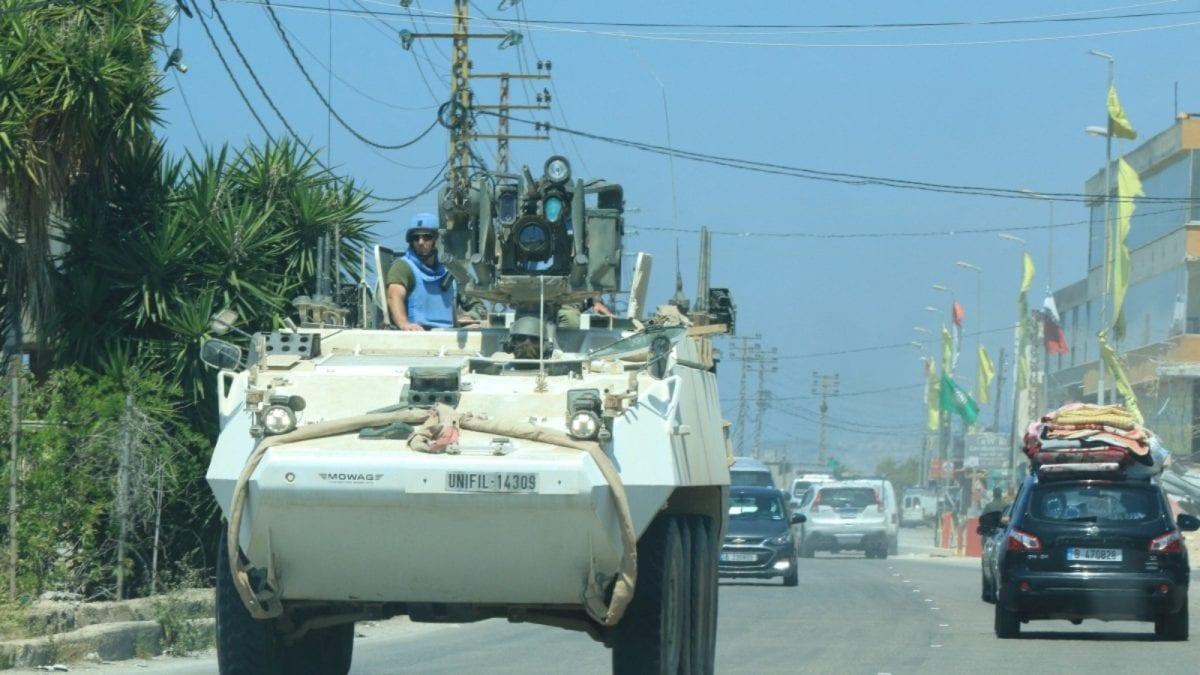
News18 said UNIFIL “has long been tasked with monitoring the southern Lebanese border with Israel” and noted that last year the Security Council agreed “to begin a phased drawdown of the mission by the end of 2026,” while China pressed for a reassessment of that timeline.

Fu Cong told reporters that there was “effectively no stable ceasefire in place,” describing the situation instead as a “lesser fire,” and he stressed that continued hostilities made it necessary to revisit the withdrawal plan.
Al Jazeera likewise reported that Fu said “a genuine ceasefire did not exist in Lebanon,” and it quoted him describing the conflict as merely a “lesser fire.”
In the same reporting, Al Jazeera connected the UNIFIL debate to the broader escalation after March 2, when “Iran-backed Hezbollah drew Lebanon into the Middle East conflict by firing rockets at Israel” to avenge the death of Iran’s supreme leader Ali Khamenei, as News18 put it.
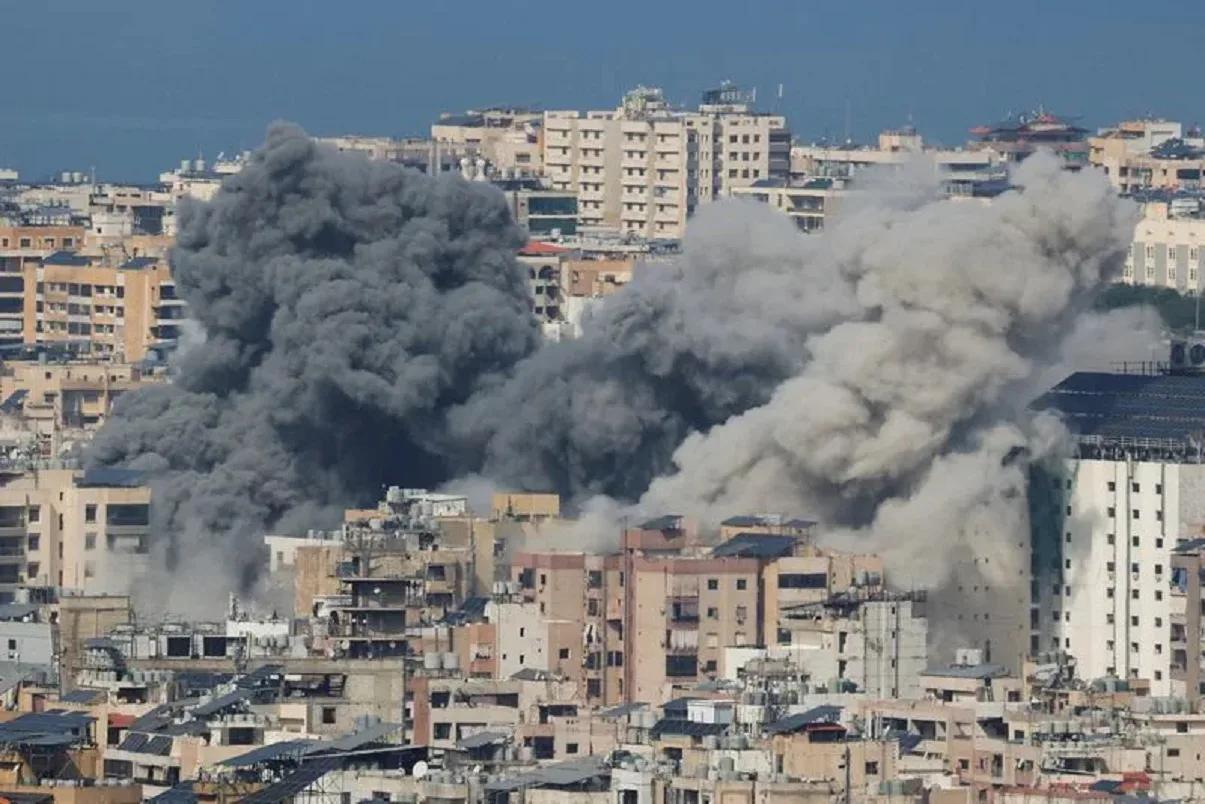
News18 also said that since March 2, “More than 2,500 people have reportedly been killed and over 7,700 injured in Israeli strikes in Lebanon,” while Al Jazeera cited Lebanese authorities saying Israeli attacks since March 2 have killed “2,618 people” and forced “more than one million to flee their homes.”
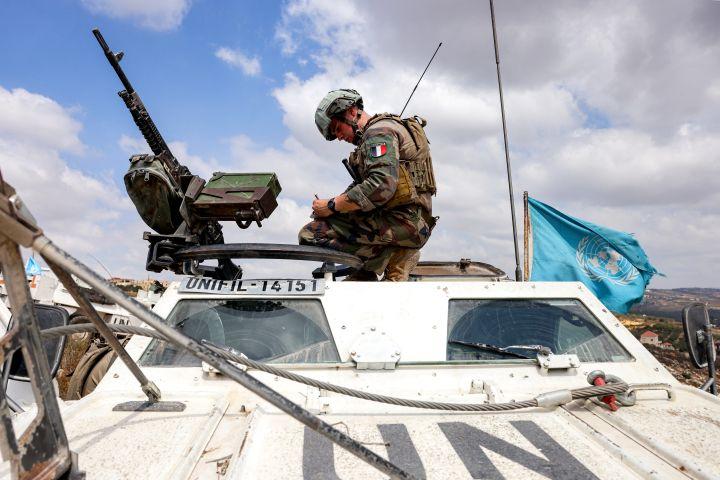
Al Jazeera further reported that UNIFIL has faced casualties, stating that “at least six peacekeepers have been killed and many others injured since Israel began its attack on March 2,” and it listed deaths including soldiers from “Indonesia and France” caught in shelling incidents and roadside attacks.
Guterres, June options, and Israel’s role
China’s push for a review is presented as part of a diplomatic sequence involving the UN secretariat and UN Secretary-General Antonio Guterres, with Fu Cong saying he had already discussed the issue with Guterres.
“Print Edition Read pdf version Home {{tree}} {{link”
News18 reported that Fu said he had spoken recently about the issue to Guterres and that “the UN secretariat was thinking about a review and would come up with options in June for the implementation of U.N. resolution 1701.”
Al Jazeera similarly said China was waiting for a report from the UN secretariat expected in June “before we take our position,” framing the stance as conditional on that review.
In parallel, Fu’s position places responsibility on Israel, with News18 quoting him saying, “It is incumbent on Israel to stop this bombardment of Lebanon,” and Al Jazeera repeating, “It is incumbent on Israel to stop this bombardment of Lebanon.”
The outlets also describe how China’s stance fits into the Security Council’s broader debate, with News18 saying Fu argued that “I think at least the view of the overwhelming majority of the Security Council is that this is not the time to redraw UNIFIL.”
Al Jazeera adds that Fu said “I think at least the view of the overwhelming majority of the Security Council is that this is not the time to really, to withdraw the UNIFIL out of that part of the country.”
Al Jazeera’s account of UN Secretary-General Antonio Guterres condemned incidents involving UN “blue helmets,” stating that the UN’s “blue helmets” have come under fire while performing duties such as “clearing explosive ordnance and escorting logistics convoys.”
Different outlets, different framing
While multiple outlets report Fu Cong’s call to revisit UNIFIL withdrawal, they frame the story through different emphases, including the Security Council process, the mission’s history, and the broader regional context.
News18, drawing on Reuters, presents Fu’s remarks as China urging the Security Council to reconsider a phased drawdown, and it explicitly situates the comments within Beijing’s May presidency and the lack of a stable ceasefire, quoting Fu’s “lesser fire” characterization and his demand that Israel halt bombardment.
Tribune India, also citing Al Jazeera, emphasizes Fu’s statement that China “do believe that we should revisit the decision, actually, to withdraw the UNIFIL,” and it describes the council’s August resolution passed “last year” to bring the mission to a close “from the end of 2026,” while also stating that China is waiting for a report from the UN Secretariat expected in June.
Anadolu Ajansı, in a separate account of China assuming the Security Council presidency for May, highlights Fu’s priorities for the council, including a pledge that China would convene a high-level open debate on May 26 under a theme about “upholding the purposes and the principles of the UN Charter,” and it also includes Fu’s UNIFIL position that China is “very concerned” and that it “do believe that... we should really revisit the decision actually to withdraw the UNIFIL (from Lebanon).”
Arab News similarly frames the story as a Reuters report, stating that Fu told reporters there was a need to revisit a decision that would see UNIFIL’s mandate end “at the end of the year,” and it describes UNIFIL as serving “between Israel and Lebanon since 1978.”
In contrast, Ici Beyrouth reports a different development: it says the UN Security Council “unanimously voted to extend the mandate of the United Nations Interim Force in Lebanon (UNIFIL) until December 31, 2026,” and it adds that this “paving the way for a definitive withdrawal of the UN peacekeepers by the end of 2027.”
The divergence is stark: News18 and Al Jazeera focus on China’s call to reverse a drawdown decision, while Ici Beyrouth reports an extension and a new timetable, and Crypto Briefing adds a market-oriented framing that references “the market on whether Israel will withdraw from Lebanon by April 30, 2026.”
What happens next for UNIFIL
The stakes described across the sources revolve around what UNIFIL’s presence will look like after the mandate end date, how the transition is managed, and whether a post-UNIFIL arrangement is prepared.
“United Nations Security Council unanimously voted to extend the mandate of the United Nations Interim Force in Lebanon (UNIFIL) until December 31, 2026, paving the way for a definitive withdrawal of the UN peacekeepers by the end of 2027”
News18 said Fu Cong told reporters that the UN secretariat was thinking about a review and would come up with options in June for implementing U.N. resolution 1701, and it reported that UN peacekeeping chief Jean-Pierre Lacroix said last month that “some form of ongoing U.N. presence might continue after the UNIFIL mandate ends.”
Al Jazeera reported that China was waiting for a June report from the UN secretariat “before we take our position,” tying the next step to the internal UN process.
Ici Beyrouth, however, describes a concrete near-term path: it says the Security Council unanimously extended UNIFIL’s mandate “until December 31, 2026,” and it states that the resolution “sets a clear timetable for the gradual reduction of the mission’s presence,” with the mission ending “just over 16 months from now.”
That outlet also says the Council asked the UN secretary-general to present “by mid-2026, proposals for a post-UNIFIL arrangement,” which could include “monitoring missions or technical assistance in place of a large-scale deployment.”
It further reports that during the transition UNIFIL will maintain limited responsibilities including “protecting its forces, providing logistical support, and maintaining liaison channels with the Israeli army to prevent any escalation.”
Al Jazeera adds that UN Secretary-General Antonio Guterres condemned incidents and said the UN’s “blue helmets” have come under fire while performing duties like “clearing explosive ordnance and escorting logistics convoys,” underscoring the operational risks that could shape future decisions.
More on Lebanon

Gold Slips as Oil Prices Rise, Keeping Interest Rates Elevated in Lebanon-Linked Tensions
17 sources compared

US Pushes Joseph Aoun To Meet Benjamin Netanyahu As Hezbollah Rejects Israel Talks
18 sources compared

Hezbollah Drone Kills Israeli Contractor Near Aitaroun, Wounds His Son
11 sources compared
Israeli Strikes Kill At Least 13 In Southern Lebanon, Health Ministry Says
34 sources compared