Technology and Science06 June, 20262 min read
China’s CO2 Emissions Rise 2% in Q1 2026 as Wasted Wind and Solar Power Increases Coal Use
This article is an automated aggregation of coverage from news outlets. Our editorials offer in-depth analysis curated by the NewsCord team.
China's CO2 emissions rose 2% in Q1 2026 versus Q1 2025. Wasted wind and solar due to grid inflexibility drove higher fossil-fuel power use.
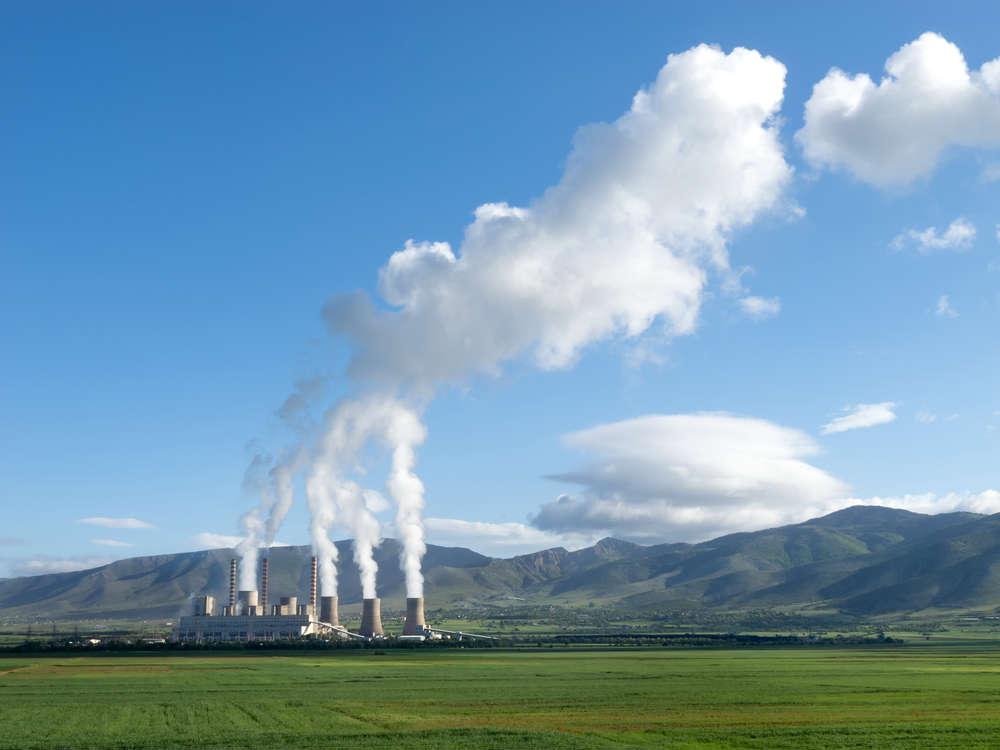
Wasted renewables, rising CO2
China’s carbon dioxide (CO2) emissions from energy and industry grew by 2% in the first quarter of 2026 after a rise in the amount of “wasted” wind and solar power. Carbon Brief’s analysis says China used more coal and gas to generate electricity than in the same quarter a year earlier, despite a record amount of new wind and solar capacity being built.
The analysis found that emissions in the power sector increased by 4% year-on-year, and that power-sector CO2 would have been flat without the rise in “wasted” wind and solar. Lauri Myllyvirta, an analyst at the Centre for Research on Energy and Clean Air, said the grid failed to integrate large portions of solar and wind power that was generated by renewable energy facilities, contributing to higher CO2.
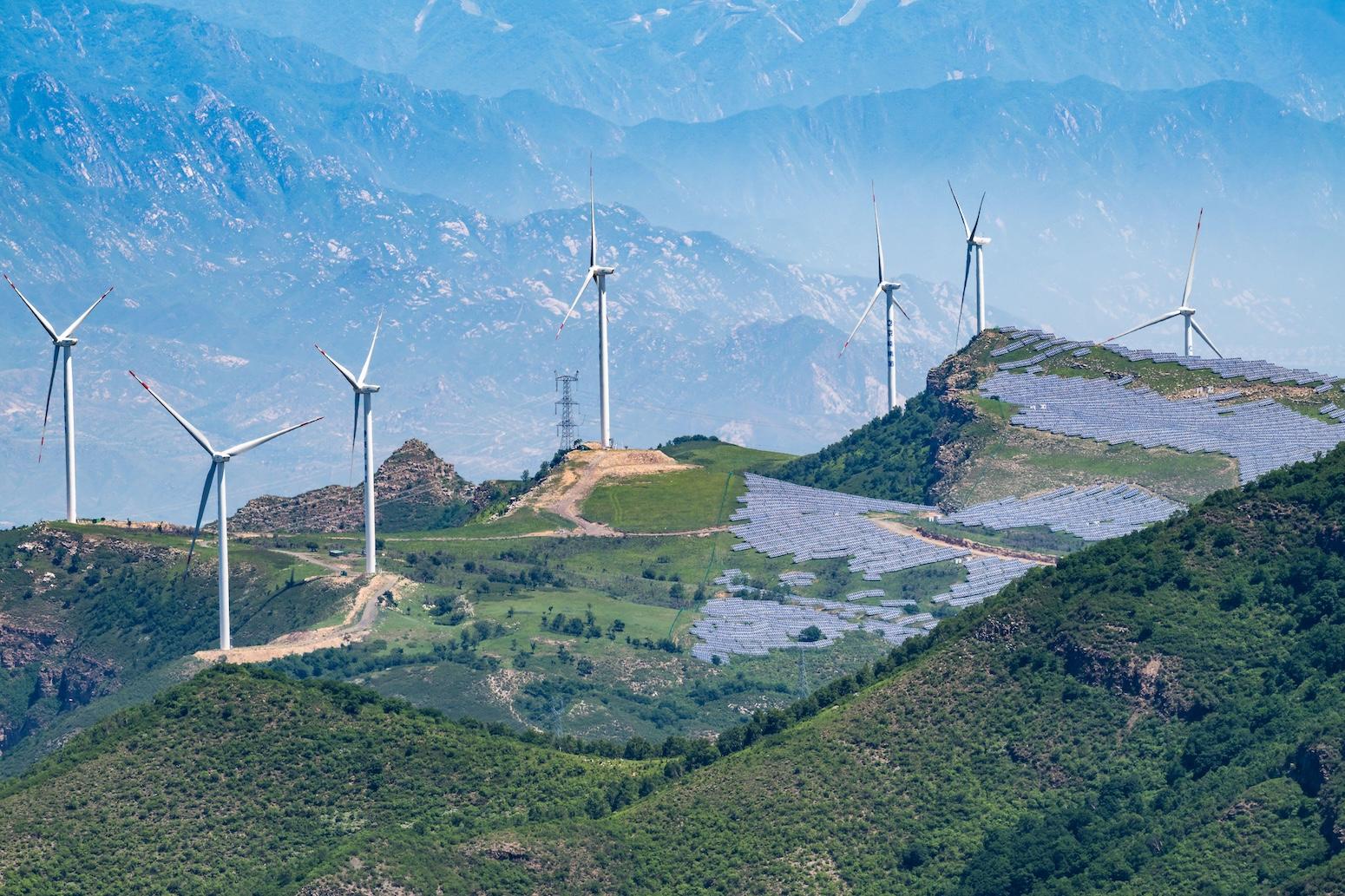
Why the system failed
Carbon Brief’s analysis attributes the “wasted” wind and solar generation to the inflexible management of coal power plants and power grids, not a lack of grid infrastructure. It says power demand grew at 5.2% and hydropower generation increased 9%, yet fossil-power generation increased 4.2% in the first quarter of 2026.
The analysis describes how, if capacity factors were stable, increased solar and wind capacity would have been expected to result in 160 terawatt hours (TWh) of additional clean-power generation during the first quarter. Climate Home News adds that Lauri Myllyvirta said the paradox was primarily caused by China’s inflexible operation of coal and gas power plants, which supply electricity through long-term contracts that remove any incentive to reduce output when cheaper solar and wind power is available.
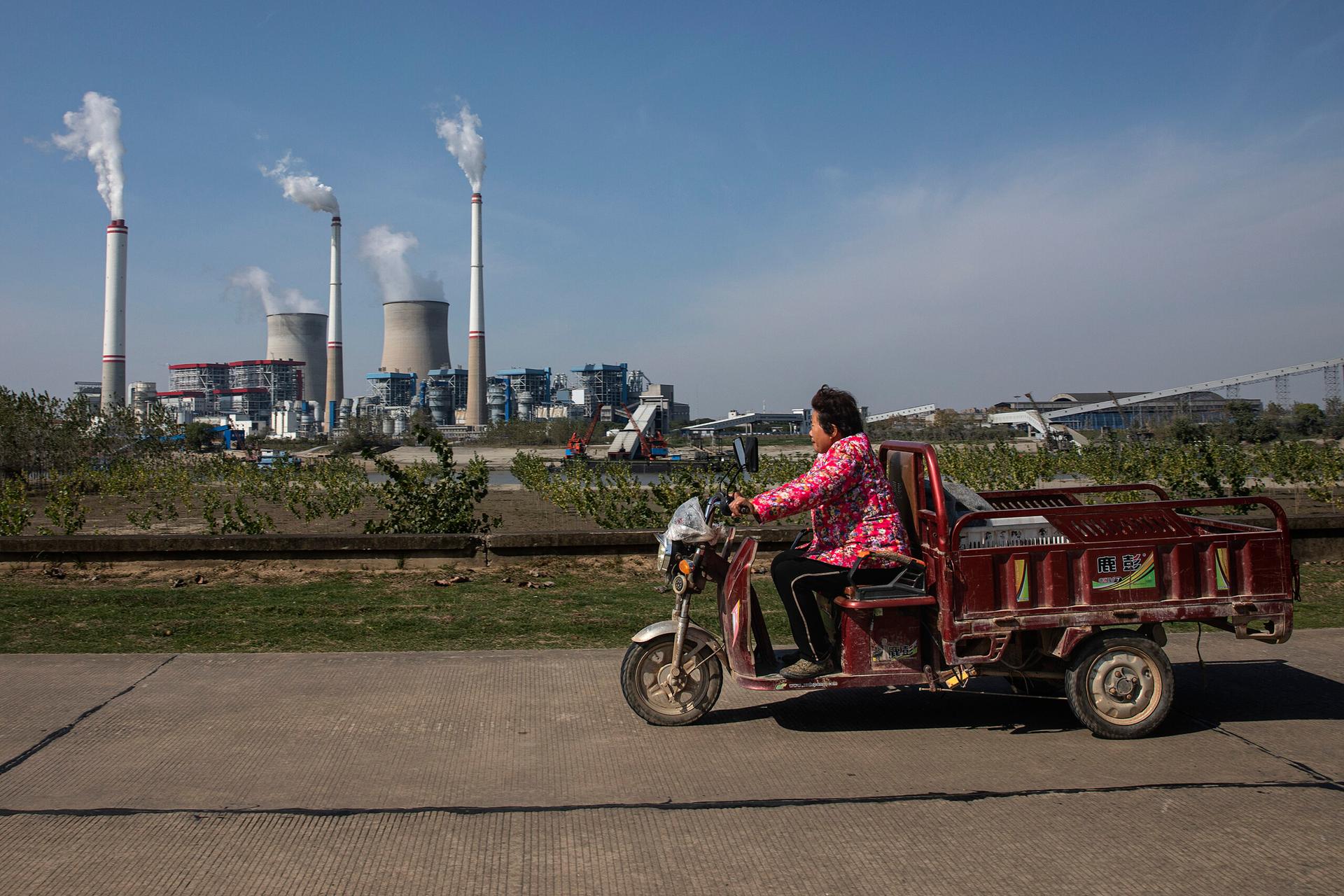
Policy stakes and investment
Carbon Brief reports that China’s energy system began to adjust to a surge in oil and gas prices due to the blockade of the strait of Hormuz, with sharp reductions in oil imports and oil-based chemicals production and a change in the share of gas in electricity generation. It warns that China’s inability to make full use of new wind and solar power plants left the country more exposed to the closure of the strait of Hormuz, increasing the need for other fuels.
Climate Home News says the findings highlight Beijing's failure to make full use of its record renewables build-out to accelerate the country's transition away from fossil fuels, and it adds that if curtailments had not risen, wind and solar could have generated an extra 170 terawatt hours (TWh) in the first quarter. The same analysis notes that if power networks fail to prevent high levels of curtailments, clean energy operators risk facing significant revenue losses, threatening the investment case for renewables.