USA · 13 August, 2026 · 3 min read
CIA Conducted Covert Drone Strikes on Ecuadorian Fishing Boats Near Galápagos
CIA conducted covert drone strikes on Ecuadorian fishing boats near the Galápagos, per Washington Post. Eight Ecuadorian fishermen are missing after January attacks.
18 outlets told this the same way.
Outlets did split on Donald Trump Approves New Fuel Economy Standards, Rolling Back Biden’s EV Mandate →
9 of 11 outlets skipped it: aircraft call sign FENIX 701 tracked from El Salvador linked to incidents.
18outlets compared
Covert strikes near Galápagos
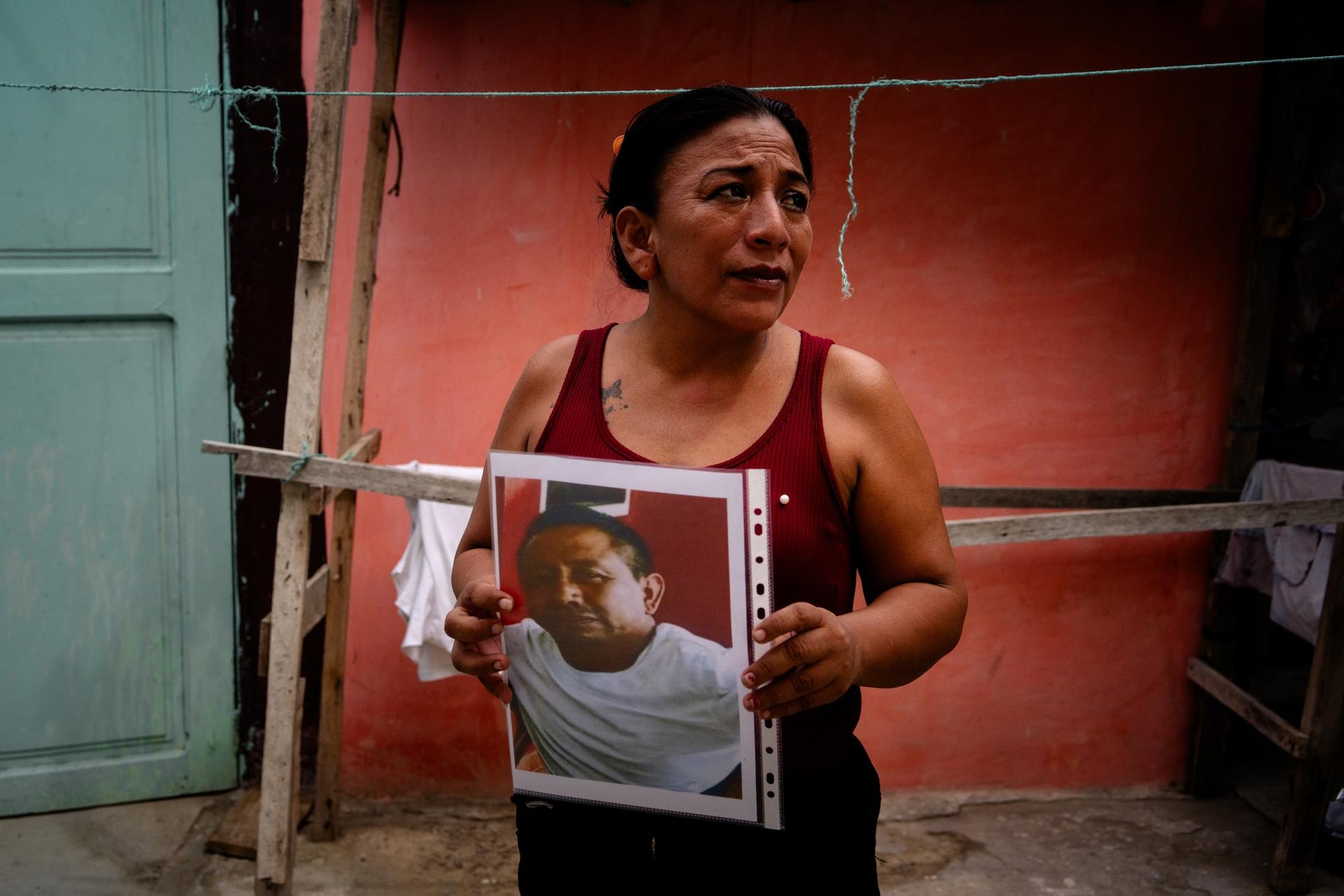
A Washington Post investigation says the CIA conducted covert drone strikes on Ecuadorian fishing boats near the Galápagos Islands as part of a presidentially approved “covert action” program that was kept from public view. The report ties the operation to the disappearance of the fishing boat Fiorella on January 20, with eight crew members still missing and presumed dead, according to the United Nations. It also says two other Ecuadorian fishing vessels were attacked in March, with survivors reporting they were initially detained and mistreated by armed forces after being rescued from the water.
The strikes are described as part of Operation Southern Spear, a broader military campaign launched by the Trump administration in November 2025 to target vessels suspected of drug trafficking. As of July 14, 2026, WOLA reported the operation had resulted in 221 reported deaths across 67 boats struck in 63 separate attack events.

Legal backlash and denials
Legal experts and human rights advocates raised concerns about the strikes’ legality, and the ACLU, Center for Constitutional Rights, and UN human rights experts presented arguments to the Inter-American Commission on Human Rights in March 2026. Ben Saul, the UN special rapporteur for protecting fundamental freedoms while countering terrorism, said the U.S. was “responding with lawless violence that flagrantly violates human rights, in its phony war on so-called narco-terrorism,” and added that “drug trafficking is a crime, not war.” The Washington Post investigation also reported that the CIA and US military declined comment, while it said it was not clear whether other actors were involved.
A separate account in Common Dreams quoted a former US government official asking, “What would be the purpose of the secrecy?” and linked the question to the Post’s description of a covert CIA boat-strike campaign. The same Common Dreams piece states that survivors described being “hooded and cuffed by armed men” and transported to El Salvador before being returned to Ecuador without explanation.

What comes next for oversight
The Washington Post investigation described the CIA strikes as separate from the Pentagon’s publicly discussed maritime drug-trafficking campaign, saying it was unclear why the Trump administration would run a separate clandestine effort targeting vessels.
It also reported that flight data tracked by the Post links the incidents to a high-tech business jet with call sign “FENIX 701,” operating from Ilopango airport in El Salvador, and that the CIA involvement did not come with evidence establishing the boats were carrying drugs.
WOLA’s analysis said legal experts argue the strikes constitute murder under Section 1111 of Title 18 of the U.S. Code and extrajudicial executions under international human rights law.
The report noted that Defense Department officials reportedly do not know the identities of many people they are killing, yet classify them as “affiliates” of terrorist organizations, a designation that could encompass people only tangentially connected to criminal groups.
In March 2026, the ACLU, Center for Constitutional Rights, and UN human rights experts’ arguments to the Inter-American Commission on Human Rights and the calls for investigations into U.S. involvement were framed as a push for accountability and clarity about the legal justifications.