
Crypto · 25 June, 2026 · 2 min read
Coinbase Base Sequencer Bug Causes Two Block Production Outages, Post-Mortem Finds
Base endured two back-to-back block outages on June 25–26 caused by sequencer bug. Post-mortem attributes outages to sequencer bug.
Story framing: Base outages vs broader crypto macro.
3 of 4 outlets skipped it: next transaction fee calculation was affected by uncleared state.
10outlets compared
Same story, two versions
tap a side to read it in full
Cointelegraph
“A sequencer bug was responsible for two outages of the Coinbase layer-2 network Base last week”Read the original ↗
Bitget
“driven almost entirely by macroeconomic forces rather than anything crypto-native”Read the original ↗
Bitget shifts the narrative to price/macro, while others focus on protocol failure.
Sequencer bug halts Base
Coinbase’s Base layer-2 network suffered two block production outages last week, and a Base engineering post-mortem attributes both to a bug in the chain’s sequencer block-building logic. The report says an invalid transaction failed during execution “as expected,” but the sequencer did not clear the journal state tied to accounts and storage slots accessed during the failed execution. Because Base uses a single sequencer, the defect had system-wide consequences, with both incidents stopping new layer-2 block production and leaving sequencer and validator nodes unable to move forward past the invalid block until recovery steps completed.
The first outage lasted 116 minutes and the second lasted 20 minutes, and in both cases the practical outcome was a complete halt in new layer-2 block creation. After patching the sequencers to update journal state correctly during execution, the team said mitigation took longer than planned “due to infrastructure conditions unrelated to the original bug.”
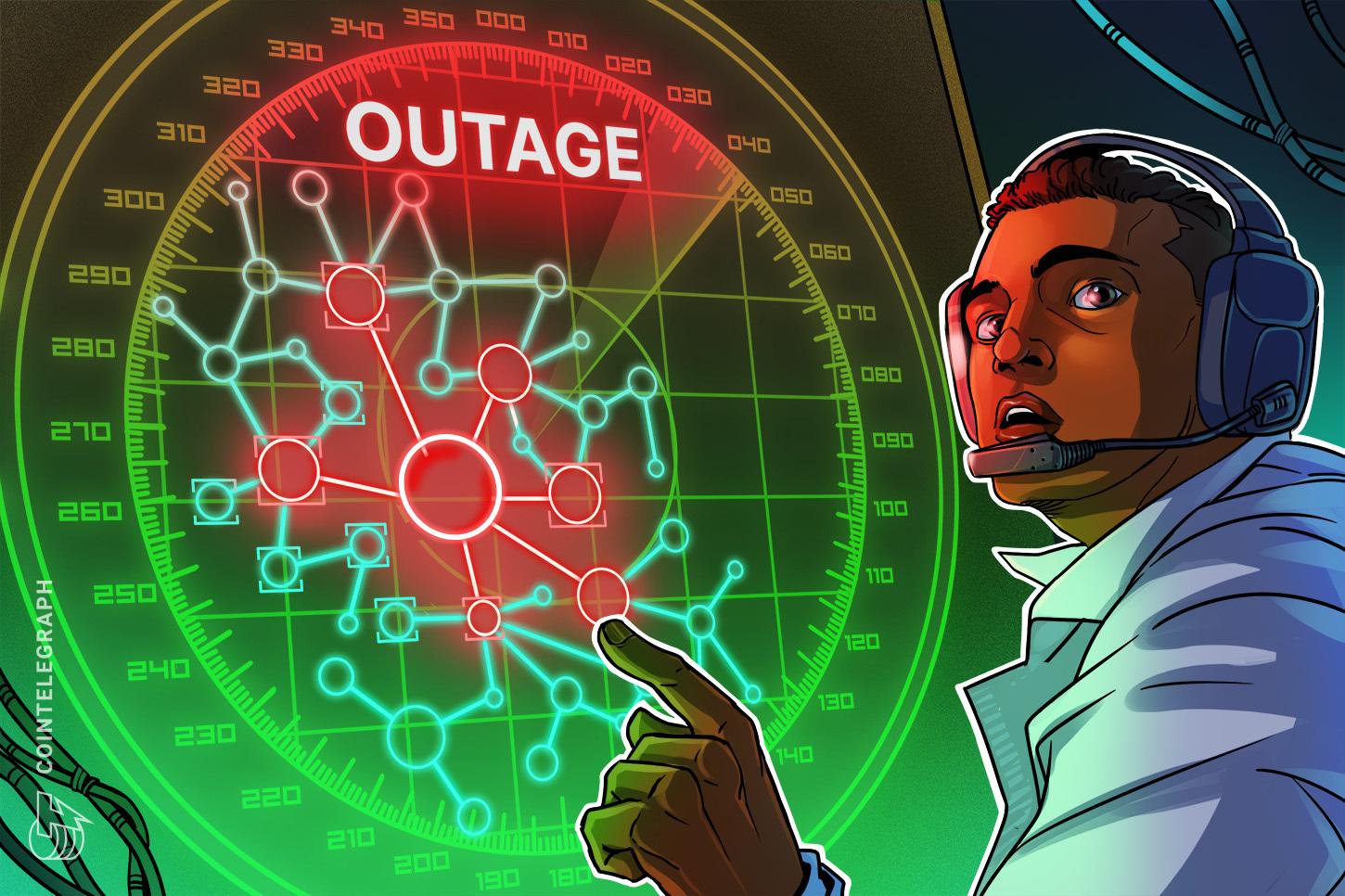
Recovery delays and fixes
The post-mortem also points to a follow-on “race condition” after a system reset, which prevented the sequencers from catching up and contributed to the second outage. Cointelegraph reports that after the reset, the “race condition” prevented the sequencers from catching up, causing the second outage. CForkLog says the first incident followed a transaction failure where the mechanism incorrectly saved the system’s internal state, resulting in an invalid block that other network nodes could not accept, halting block production entirely.
During the outages, ForkLog reports that transactions were not added to the blockchain and the queue of unconfirmed operations overflowed, causing users to encounter errors when sending new transactions. The Base team emphasized that user funds were not affected and remained secure, while also pledging to enhance stress testing and protocol fuzzing and to implement a “graceful recovery” mechanism to restore operations more swiftly.

Testing and broader stakes
Looking ahead, the Base engineering team said it will improve protocol “fuzz testing” by generating large volumes of random, malformed, or unexpected inputs to uncover edge cases in execution and sequencing code paths. Cointelegraph adds that the team plans to build “graceful recovery” so validator nodes don’t need manual restarts during future incidents. CThe post-mortem framing highlights the stakes of Base’s single-sequencer design, describing it as a centralized blockchain component that decides the order of transactions and can stop everything when it stalls or encounters logic failures.
Cointelegraph says the sequencer has been responsible for outages on other layer-2 chains, including Arbitrum, OP Mainnet and zkSync Era, reinforcing that one bug can cascade across networks. CIn parallel, market coverage in the same period highlighted broader crypto volatility, with Bitcoin briefly dipping below $60,000 and Ethereum sliding 9.84% on the week to $1,564, as investors weighed macro forces and ETF outflows.