Full story
Colombia shifts to war
Colombia’s president Abelardo De la Espriella began reshaping security policy just two weeks after taking office, renewing military leadership with the mission of forcefully combating what he calls "narcoterrorism."
“winning the war against narcoterrorism”
De la Espriella announced last Thursday at least five significant changes in the command structure of the Armed Forces, including the appointment of the new Chief of the Joint Chiefs of Staff, and he said the leadership was aimed at "winning the war against narcoterrorism."
The Escudo Digital account says De la Espriella’s government program proposes a "hard hand" security policy focused on regaining territorial control, reestablishing the state’s monopoly on arms, and dismantling armed structures that exercise parallel power in certain areas.
It also says the strategy includes strengthening intelligence and judicial processes, pursuing capital from drug trafficking, and reforming the penitentiary system, while drug trafficking is central to the plan to destroy 330,000 hectares of coca.
In parallel, InSight Crime frames the broader regional shift as the United States expanding its anti-crime war from the sea onto land, with Defense Secretary Pete Hegseth announcing bombing of suspected drug trafficking boats in the Caribbean and eastern Pacific starting in September 2025.
Regional crackdowns and debate
InSight Crime says the Pentagon agreed for the first time to let Mexico purchase drones and counter-drone technology through the US Army’s digital marketplace, and it links that deal to the fight against organized crime.
It also reports that Chile’s government proposed a constitutional reform to create a new state of emergency specifically for organized crime and terrorism, allowing a state of emergency for up to 120 days with an extension up to a total of 240 days without congressional approval.
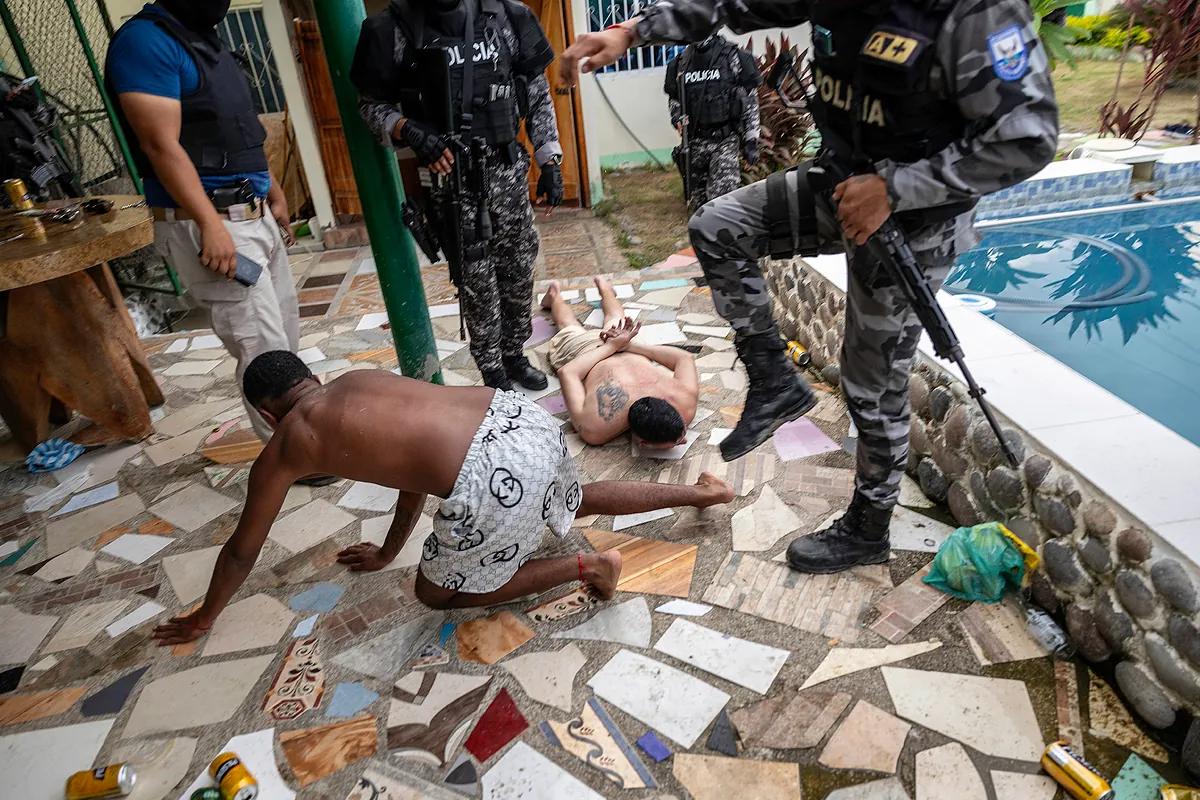
In El Salvador, El Mundo describes Nayib Bukele’s hardline policy as including a state of emergency extended since March 2022 and the militarization of the streets, and it quotes a warning from Aníbal Argüello that "many innocents get left behind."
Argüello also warns that in El Salvador there is "documented evidence that people are imprisoned who did nothing" and that the strategy risks losing freedoms.
El Mundo adds that Argüello says underlying crime continues because there is still drug trafficking, and he argues that there will be no impact on criminal groups that have ties to state agents.
What’s at stake next
Escudo Digital says De la Espriella’s security doctrine includes pursuing capital from drug trafficking, reforming the penitentiary system, and combining military operations, intelligence, police, and economic pursuit of criminal organizations.
“in a friendly and cordial tone”
It also says the government intends to respond to armed and criminal organizations maintaining a presence in vast areas of the territory by destroying 330,000 hectares of coca through aerial fumigation, manual eradication, crop substitution, pursuit of traffickers’ financial structures, asset forfeiture, and extradition.
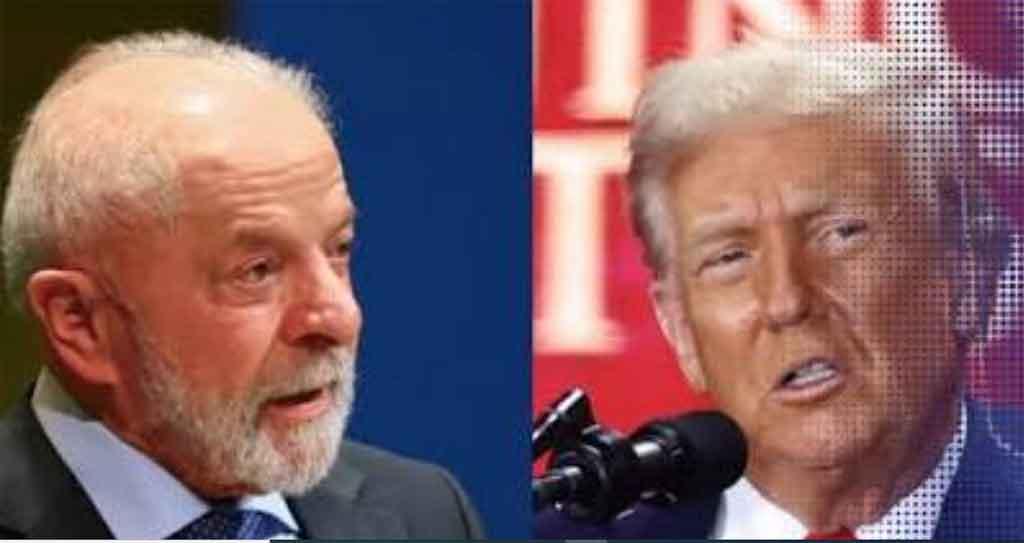
Diario Co Latino reports that Luiz Inácio Lula da Silva and Donald Trump discussed the fight against organized crime during a telephone conversation initiated by Lula da Silva that lasted about an hour and 20 minutes, with the call described as "in a friendly and cordial tone."
Diario Co Latino says Lula da Silva argued that criminal groups exert daily terror on the most disadvantaged populations but should not be confused with terrorist organizations, and it adds that Trump expressed willingness to strengthen bilateral cooperation and indicated he would mobilize senior officials to follow up.
El Mundo situates those moves within a wider regional pattern, noting that Latin America and the Caribbean concentrate 8% of the world population but account for about a third of global homicides, with a rate of 17.6 homicides per 100,000 inhabitants in 2025, according to an InSight Crime report.