Africa17 October, 20253 min read
Colonel Michael Randrianirina Seizes Power in Military Coup and Sworn in as Madagascar President
Colonel Michael Randrianirina led a military coup that ousted President Andry Rajoelina. Randrianirina was sworn in as Madagascar’s president at the High Constitutional Court.
42 outlets told this the same way.
Madagascar Military Takeover
Colonel Michael Randrianirina, commander of an elite army unit, seized power in Madagascar after three weeks of youth-led protests over chronic water and electricity shortages, corruption, and economic hardship. He was sworn in at the High Constitutional Court as president three days later. Multiple outlets report that President Andry Rajoelina fled the country and went into hiding.
“Col. Michael Randrianirina was sworn in as Madagascar’s new president on October 17, 2025, just three days after leading a military coup that ousted President Andry Rajoelina, who fled the country.”
The United Nations condemned the takeover as an unconstitutional change of government, and the African Union suspended Madagascar. Coverage differs on the scale of violence: some emphasize a largely peaceful transition with isolated clashes, while others detail at least 22 deaths during a security crackdown amid the unrest. Despite the international condemnations, several sources note a muted broader response from foreign governments.
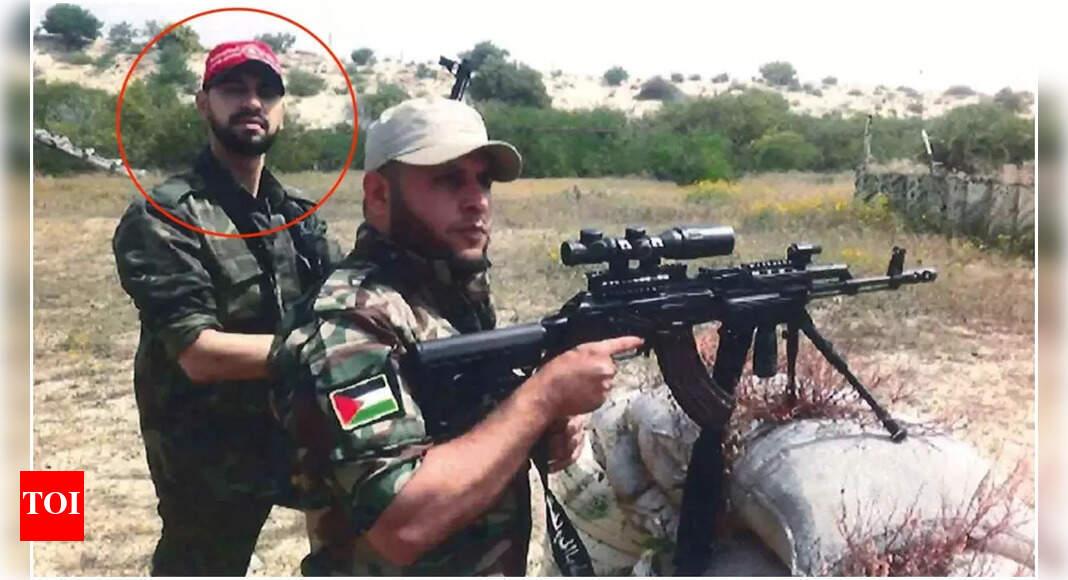
Profile of Randrianirina
Who Randrianirina is—and how he rose—varies by source. Western and Asian mainstream outlets stress that he was the commander of an elite unit and had previously been imprisoned for an attempted mutiny, emerging from relative obscurity to lead the rebellion. African and Francophone-focused reports add that he hails from the impoverished Androy region, previously served as governor there from 2016 to 2018, and had earlier commanded an infantry battalion.
Some West Asian coverage links him to the elite unit involved in the 2009 coup that first brought Rajoelina to power. RFI highlights that he refused to order troops to fire on protesters and now casts himself as a caretaker focused on a 'national refoundation.'
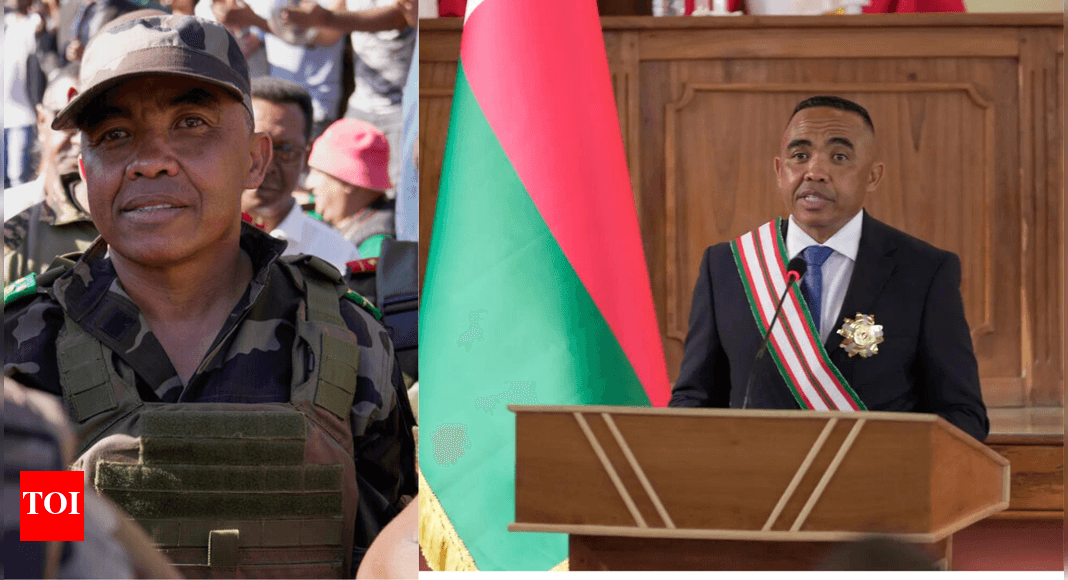
Rajoelina's Removal and Legitimacy
The legality and sequence of Rajoelina’s removal is reported inconsistently. Several outlets say lawmakers impeached Rajoelina shortly before the coup. Others attribute impeachment to the Constitutional Court or say it occurred after he fled.
“This occurred shortly after President Rajoelina was impeached by Parliament on October 14.”
West Asian and Asian sources add that authorities framed the intervention as a move to prevent chaos, with constitutional backing. International bodies denounced the intervention as unconstitutional.
Some reports note foreign diplomats and delegations attending the swearing-in, suggesting an effort at international legitimation. Rajoelina’s allies denounce the takeover and allege judicial coercion.
Military Transition and Public Response
Randrianirina announced a military-led transition, described as a council or committee, that would govern for 18 months to two years before elections. Some reports added that all institutions except the National Assembly would be dissolved during this period. The inaugural pledges emphasized peace, unity, a break from harmful governance, and a 'national refoundation.'
Accounts differ on public reception and motives behind the transition. Several local and mainstream outlets reported that many citizens and youth welcomed the change.
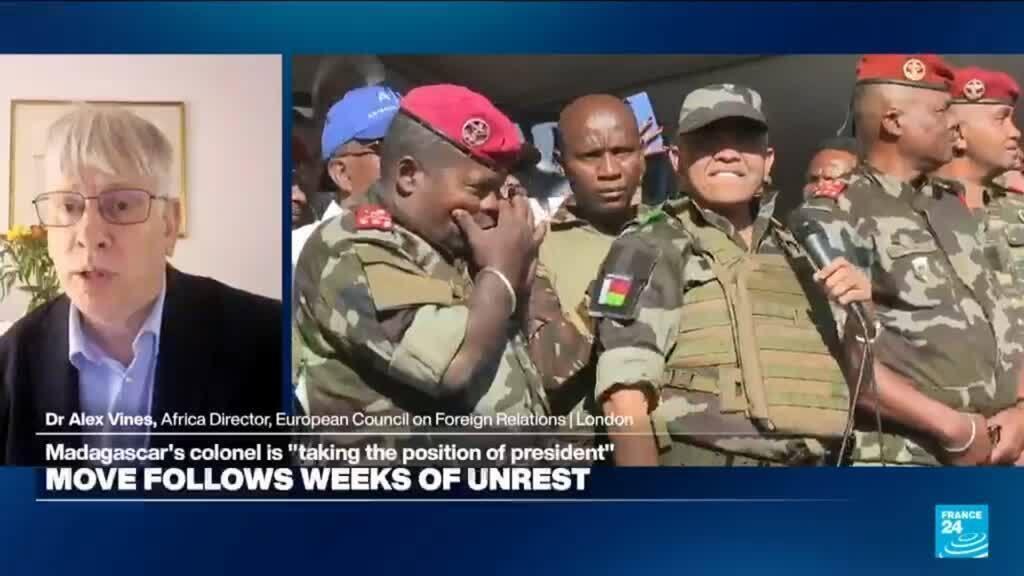
However, other analysts warned that the military may have exploited the uprising. Some sources also noted that Rajoelina’s impeachment and flight immediately preceded the takeover.
Global Response to Madagascar Crisis
International reaction has been sharply condemnatory from regional and global bodies but otherwise muted. The UN denounced the change as unconstitutional and the African Union suspended Madagascar. Several reports say there was little significant response from other governments, including France.
“The United Nations condemned the takeover as unconstitutional, and Madagascar was suspended from the African Union... there has been little significant international response, including from former colonial power France.”
Other outlets note striking international engagement around the inauguration: foreign delegations from the US, EU, Russia, and France reportedly attended. Some reports allege France helped Rajoelina leave on a military plane.
Regional organizations launched fact-finding missions and expressed concern for stability and Madagascar’s environmental significance. Many sources stress the island’s deep poverty, youth demographics, and history of repeated coups.