USA · updated 1h ago · 3 min read
Cynthia Lummis Blocks Senate Resolution Criticizing Trump’s Taxpayer-Funded TV Ads
Sen. Cynthia Lummis blocked a bipartisan resolution denouncing taxpayer-funded campaign ads for Trump. The ads amount to three nationwide taxpayer-funded promotions applauded by White House defenders.
15 outlets told this the same way.
Outlets did split on U.S. Completes Withdrawal Of All Troops From Iraq, Ending Operation Inherent Resolve →
2 of 3 outlets skipped it: DHS tapped $20m and Democrats wrote a letter seeking answers.
15outlets compared
Lummis Blocks Fast-Track
Republican Sen. Cynthia Lummis of Wyoming blocked a fast-track Senate resolution criticizing taxpayer-funded television ads promoting President Donald Trump, after Democratic Sen. Maggie Hassan of New Hampshire introduced the measure via unanimous consent.
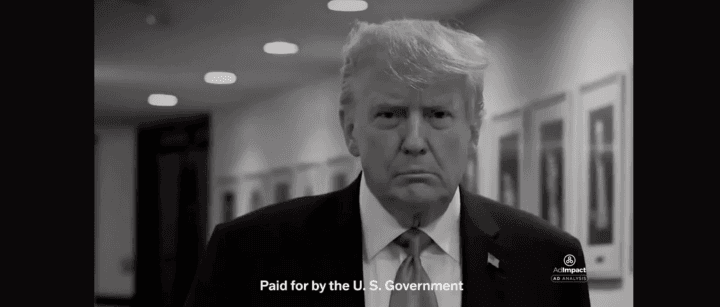
Hassan said the resolution was the sense of the Senate that the advertisements promoting President Donald Trump that aired in September 2026, which included the direct language ‘paid for by the U.S. Government,’ should not be paid for by the United States government.

Senate Majority Leader John Thune told reporters on Monday, “It’s a great message. I like the message, but it shouldn’t be paid for with taxpayer dollars,” while retiring GOP Sen. John Cornyn of Texas added, “no” it’s not appropriate.
Lummis objected to Hassan’s resolution by backing the White House position that the ads were comparable to public service announcements released during previous administrations, and she said, “Presidents of both parties have used public service announcements to speak directly to the American people for decades.”
White House, Legal Experts
The White House defended the ads as “public service announcements” in a September 25 press release, and it said “Clearly, these announcements are not campaign ads; President Trump does not appear on the ballot and there is no call to action.”
Richard Painter, a corporate law professor and former White House ethics attorney under the George W. Bush administration, told FactCheck.org that the ads are “very clearly propaganda,” and he said, “I simply don’t think you’re going to find any comparison.”
John G. Geer, a Vanderbilt University political science professor and author of “In Defense of Negativity: Attack Ads in Presidential Campaigns,” said, “I think the ads are different enough that, personally, the argument that Trump’s White House ads and those of previous presidents are all the same does not convince me.”
The dispute centered on three taxpayer-funded notices that ended with the caption “Paid for by the U.S. Government,” and the ads included Trump saying “this is the final battle” and “We will demolish the Deep State.”
Midterms and Spending Scrutiny
Critics said the ads were timed for the 2026 midterm elections and argued that federal funds were being used for political messaging, while the White House communications director Steven Cheung posted on X, “Don’t let the Fake News get away with their lies about our epic Public Service Announcements that have been running on tv.”
The Associated Press reported that multiple legal experts said the ads appear to run afoul of federal statutes, including a law against congressionally appropriated funds being used for “publicity or propaganda” and a law that limits the partisan political activities of government employees.
The Associated Press also reported that AdImpact tracked the spots at more than $1.4 million, and it said the actual amount spent could be significantly more depending on whether networks classified the ad as a political ad.
Sen. Mike Rounds said, “It’s not something that I would’ve done,” and he added, “It would not have been something that I would have done,” as the controversy continued over whether the ads were designed to help Americans access any specific program.