Dad Takes Autistic Nine-Year-Old Joshua To British Grand Prix At Silverstone
Key Takeaways
- Joshua, a nine-year-old with autism, attended the British Grand Prix at Silverstone with his dad.
- He experienced sensory overload, shrieked, closed his eyes, and covered his ears.
- First-person narrative from the father about taking his autistic son to a high-energy event.
Autism at Silverstone
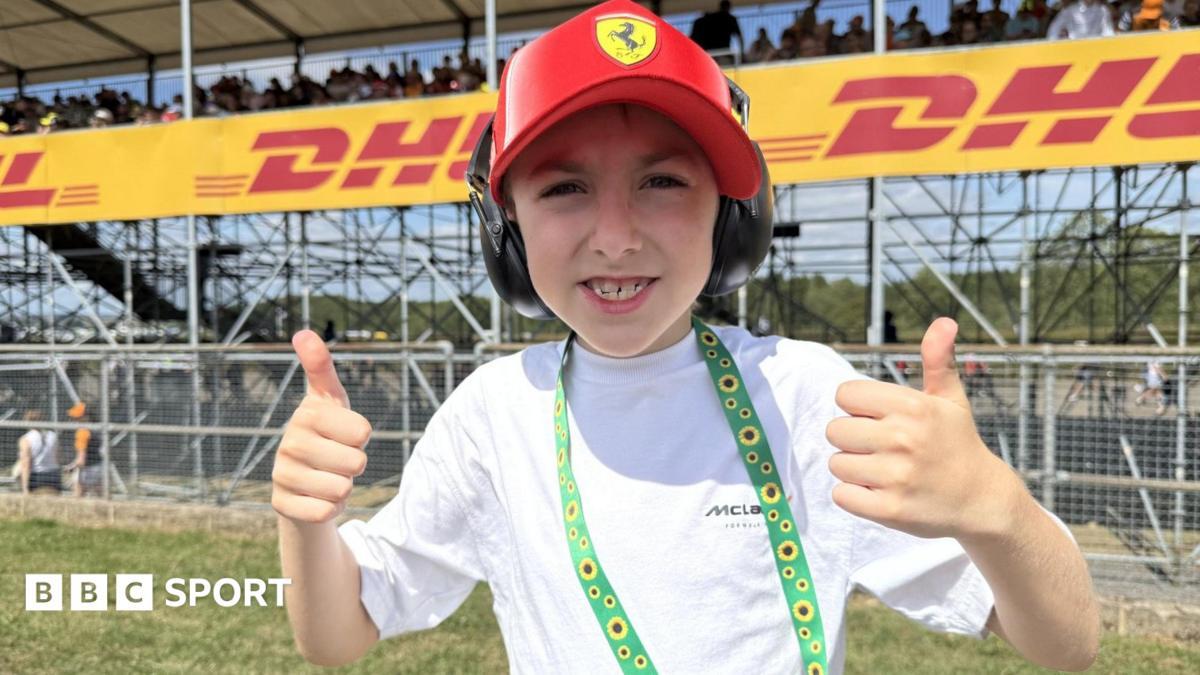
A dad described taking his nine-year-old autistic son to the Formula 1 British Grand Prix at Silverstone, where a sudden shriek of noise and gust of air made Joshua freeze, scream, and cover his ears while they stood by a public toilet.
“- Published As a group of men force their way past us, a sudden shriek of noise and gust of air stops Joshua in his tracks”
The BBC account says the alarm was not caused by the din of a 1.6-litre V6 turbo hybrid engine, and it contrasts the unbearable sound of a hand dryer with the drivers emerging for the start of qualifying.
The story places the day’s sensory overload in the wider context of autism in the UK, citing the National Autistic Society’s figures that more than one in 100 people are autistic and that there are at least 700,000 autistic adults and children in the UK.
It also says awareness is growing and gives a specific measure of change, noting a 787% rise in the number of diagnoses between 1998 and 2018.
Within that setting, the BBC quotes Louise Broomhall, head of customer service, saying, "We've almost been on this decade of change," as Silverstone adapted for neurodiverse fans.
Copse Triangle access
The BBC says Silverstone created a special viewing area exclusively for neurodivergent fans called Copse Triangle, described as a relatively small trackside spot covered by grass and limited in capacity.
It adds that access is available through Silverstone's Personal Assistance Scheme, and it notes that tickets for the British Grand Prix generally go on sale about nine months before the event.

The BBC frames Copse Triangle as a space away from off-track mayhem, where parents and neurodiverse fans can be together, and it says the area is surrounded by other children and adults who are neurodiverse.
The article includes a direct reaction from Sue Davidson, who acts as accessible champion in the customer service team, quoting her: "Some of the feedback we've received from parents is that there's no judgement within that area."
It also says the feedback helped confirm the purpose of the area, with the BBC reporting that "everyone is so different" and that "so many friendships have been made within that area."
Broader stakes for fans
The BBC describes the complicated decision to attend a major sporting event for any parent of a child with autism, calling it "a rolling risk assessment" that begins before leaving the house and can continue for several days after returning.
“L’anteprima – Quali sono i nuovi libri da leggere nel 2025, a partire dai primi mesi del nuovo anno fino alla primavera”
It says the day’s planning includes travel, schedule, the scale and size of the crowd, smells, sounds, and even food, and it describes meltdowns from emotional dysregulation as inevitable.
The article links those stakes to the scale of demand for accessibility, stating that neurodivergent fans now make up at least 20% of all applications for accessibility tickets.
In parallel, the BBC notes that Joshua’s race-day experience is shaped by how he experiences life through his autism, with the story emphasizing that race tracks such as Silverstone have become a home for him.
The BBC’s account closes by returning to the idea that the sensory environment and support structures can determine whether a day at the British Grand Prix is workable for a family like Joshua’s, with Copse Triangle positioned as the dedicated solution.
More on Sports

Kylian Mbappé Condemns Paraguayan Senator Celeste Amarilla’s Racist Remarks After France Win
13 sources compared

Donald Trump Urged FIFA Chief Gianni Infantino To Clear Folarin Balogun For Belgium Clash
57 sources compared

Charles Leclerc Wins British Grand Prix After FIA Software Error Ends Race Under Safety Car
13 sources compared

Mexico Issues Shelter-In-Place Order at Azteca Stadium as Thunderstorms Delay England Match
12 sources compared