Full story
Lincoln’s long deployment
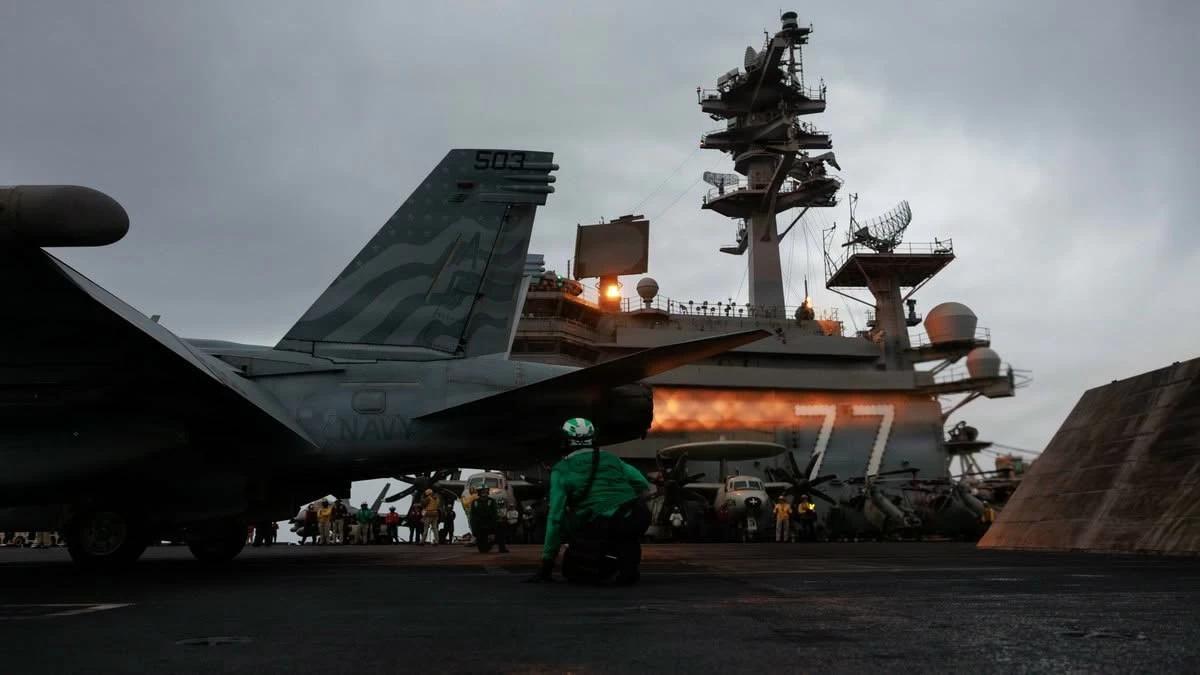
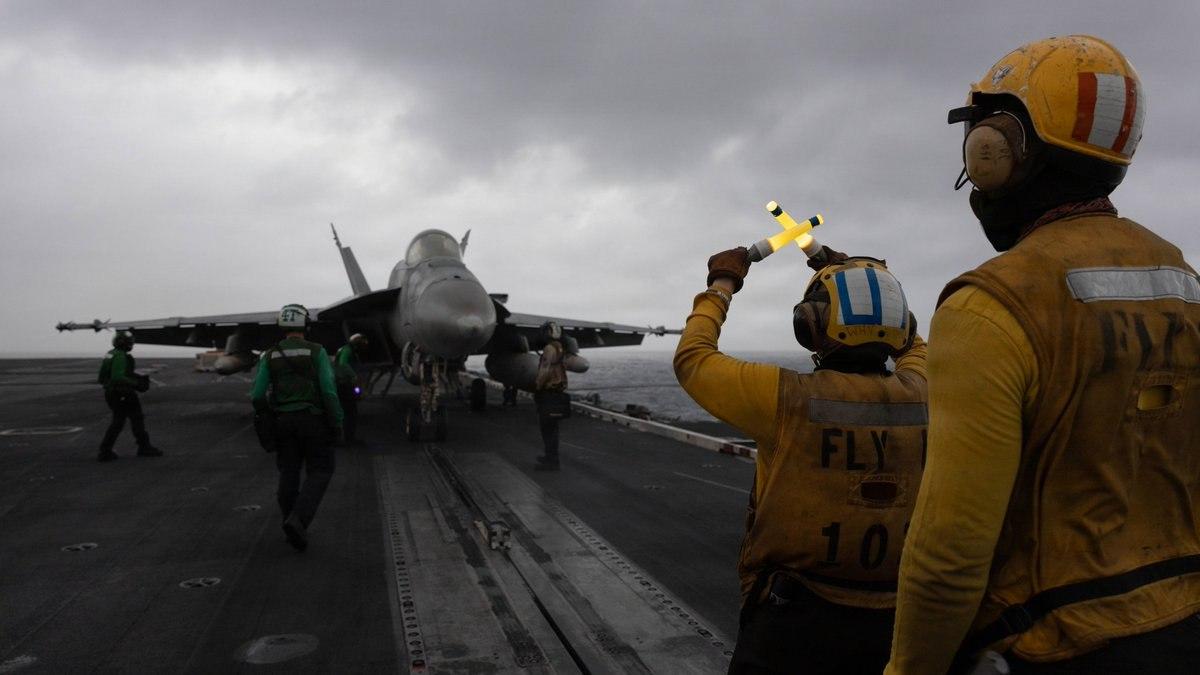
The USS Abraham Lincoln has been at sea for more than eight months, with Democrats demanding answers about conditions aboard the carrier amid the war with Iran and questions about the Navy’s ability to preserve service members’ well-being while sustaining its current "operational tempo."
“The aircraft carrier has been at sea for more than eight months.”
Sen. Richard Blumenthal said the Lincoln has been deployed for more than 250 days and has gone more than 200 days without a port call, adding that his letter cited "widespread reports of shortages of basic supplies" and other habitability problems.

A U.S. official confirmed to ABC News that a sailor went overboard in early August from the Lincoln and was quickly recovered, with the incident under investigation.
ABC News also reported that a Navy official said the Lincoln has not seen an uptick in mental health issues and has "not identified an increase in reported suicidal ideation or suicide attempts aboard the ship," while acknowledging sailors are strained by extended deployments.
The ship was slated for a normal six-month deployment to the Pacific but has been extended on an unusually long nine-month deployment due to the war with Iran, and it is currently serving in North Arabian Sea, according to ABC News.
Families confront Navy
Questions about the Lincoln’s prolonged deployment intensified as Democratic members of the U.S. Congress called for clarifications about the conditions aboard the carrier after reports of food shortages, plumbing failures, and mental health crises among its crew.
In a heated confrontation Thursday night at North Island Naval Air Station in San Diego, California, relatives demanded clarifications from Acting Secretary of the Navy Hong Hao about the crew’s living conditions, and the outrage spilled into a later virtual meeting with families of about 5,000 sailors and Marines aboard Lincoln.

Al Jazeera reported that the U.S. Army said it recovered a sailor who had fallen overboard on August 3, and it described the Abraham Lincoln as including five chaplains, a psychologist, a social worker, a prevention coordinator, and a trained dog to support crew morale and mental health.
Defense Secretary Pete Hegseth pushed back on reports of a sailor going overboard and accounts of sailors struggling through an unusually long deployment, telling Newsmax, "We make sure every ship, every crew, every captain has everything we can provide them at every single moment."
ABC News also said Cao told Lincoln families during a town hall last week that another carrier will eventually swap out with the Lincoln, though he did not provide a timeline.
Rotation and readiness stakes
As the controversy over the Lincoln’s conditions continued, the Pentagon and Navy officials pointed to a plan to rotate carriers, with ABC News saying the USS George Washington, homeported in Japan, will replace the Lincoln as part of a long-planned rotation of ships.
“the USS George Washington, which is homeported in Japan, will replace the Lincoln”
ABC News reported that Blumenthal’s letter requests responses from Hegseth and Cao about the Navy’s plan for sustaining carrier strike groups in the Middle East for the next 12 to 24 months, about who authorized extensions of the Lincoln’s deployments and when, and about what military objective the Lincoln’s extended deployment is aimed at achieving.
Al Jazeera said the U.S. President brushed off reports of dire conditions and a mental health crisis aboard the USS Abraham Lincoln, and it quoted Trump denying that sailors’ families were worried, saying, "No, they’re not worried."
CNN reported that the USS Abraham Lincoln has been kept out of port for more than six months and that the ship may break a record for the longest trip away from its home port for a U.S. carrier since the Vietnam War, a record set just months ago by the USS Gerald R. Ford after that ship completed a 326-day deployment.
CNN added that the Navy said it has not observed an increase in suicidal ideations or attempts aboard the ship and that it takes service members’ well-being seriously with chaplains, medical, and mental-health professionals available to assess and address concerns as they arise.