USAupdated 24m ago2 min read
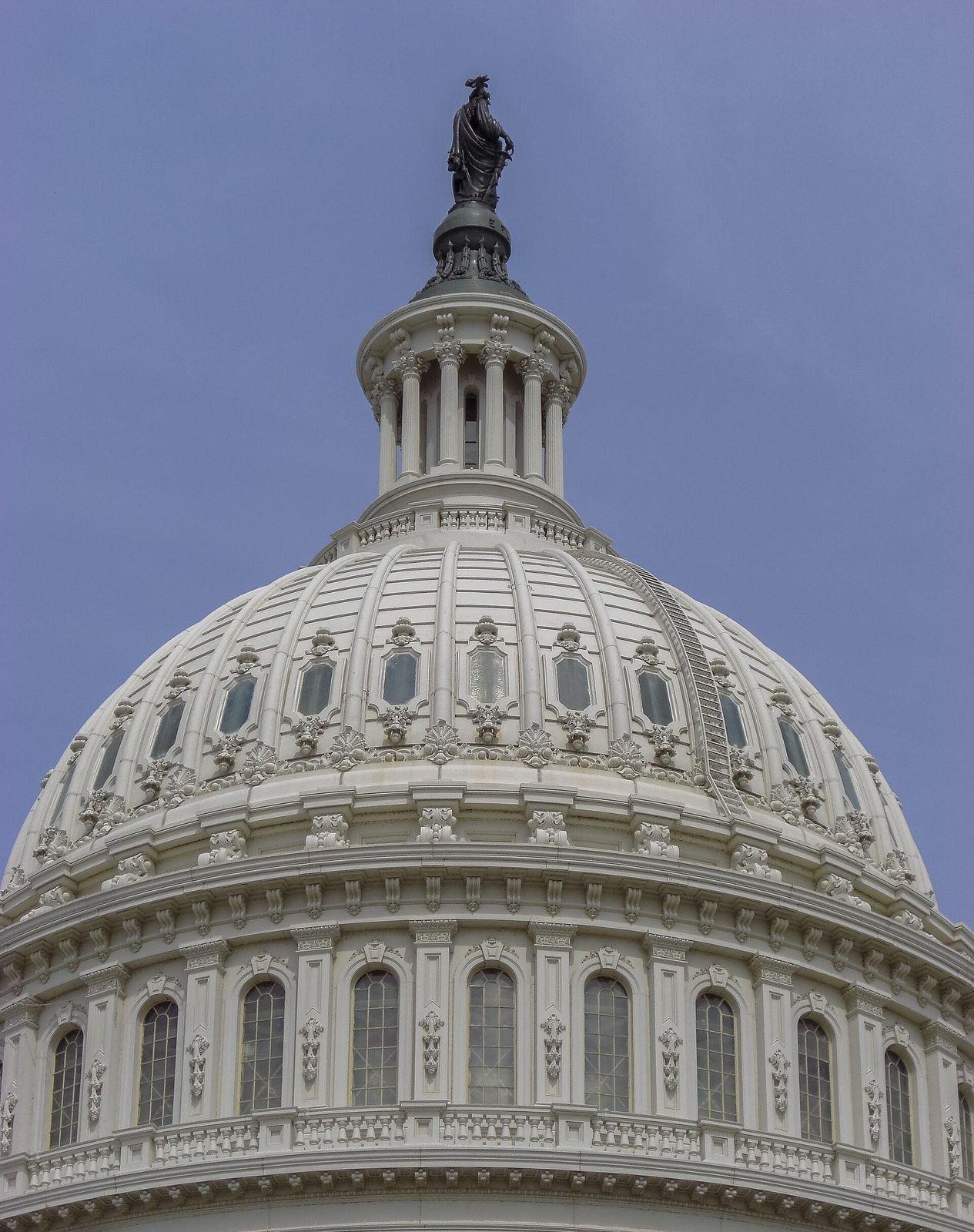
Archive photo · 29 March 2008Democrats Move To End Trump’s Canada Tariffs After Midterm Victory
“warning that US consumers pay the price through higher costs on Canadian goods.”
“there is overwhelming support for repealing the tariffs on products from Canada.”
Photo: Diego Delso, CC BY-SA 3.0 · Cropped for layout
This article is an automated aggregation of coverage from news outlets. Our editorials offer in-depth analysis curated by the NewsCord team.
Democrats plan to end Trump's tariffs on Canada after midterm victory. Trump’s August tariffs imposed 50% on some Canadian goods, triggering backlash.
Save coverage image
Tariffs on the ballot
Democratic lawmakers moved to target President Donald Trump’s tariff agenda after Democrats won control of both the Senate and the House of Representatives in the US’s Tuesday midterm elections, with Oregon Senator Ron Wyden saying “there is overwhelming support for repealing the tariffs on products from Canada.” Wyden told the Wall Street Journal that he was already coordinating with colleagues on legislation to roll back Trump’s second-term levies once he assumes the committee chairmanship in January. The tariff fight centered on Trump’s trade war with Canada, which the sources describe as threatening a long-standing relationship with the northern neighbor and as emerging as a central issue in border states like Michigan, Maine, and Alaska.
“Speaking on Pod Save America, he mocked the tariffs days after becoming the first Muslim elected to the US Senate.”
Michigan Republican Senate nominee Mike Rogers released an ad opposing the levies while holding a Canadian beer brewed across the border, and Rogers said, “We need to end this tariff war now,” while adding, “And here in Michigan, we know that Canada is not our enemy.” Abdul El-Sayed, the Michigan Senator-elect, criticized Trump’s trade war with Canada on Pod Save America, warning that US consumers pay the price through higher costs on Canadian goods.
Congressional math and leverage
A simple majority lets Democrats set committee schedules and launch inquiries, but passing bills still requires 60 votes to overcome a Senate filibuster. Overriding a presidential veto would require a two-thirds supermajormajority, with “290 House votes and 67 Senate votes.” Democrats held 253 House seats and 54 Senate seats, meaning any major bill would face a veto threat unless significant numbers of Republicans cross party lines.
The newly-won Democratic majority in Congress will not be sworn in until January 2027, but behind-the-scenes discussions about rolling back the tariffs had already begun. Democrats may need Republican support even with a majority, while Wyden told the WSJ that the Canada tariffs were unpopular among some Republicans, creating an opportunity to flip members of Trump’s party.
Trade talks, retaliation, next steps
Ontario premier Doug Ford said he was delighted with the Democrats’ victory in Tuesday’s US midterm elections and that he was willing to work with new lawmakers to remove the American tariffs. Ford described the trade war as continuing and tied the high cost of living to US tariffs on Canada, while also saying Ford would send his cabinet to the United States to meet with the new lawmakers. Ford said he had instructed that once new Congressmen and Senators were sworn in in January in Washington, his cabinet members may travel to the United States to strengthen relations and reduce the trade war between Ottawa and Washington.
“Trump warned he would double tariffs on Canadian vehicles if a bilateral deal is not finalized before inauguration.”
Mark Carney welcomed Democrats’ push to end Trump’s tariffs on Canada after the midterm victory, and the world’s struggle to trust America again after the US midterm rout of Trumpism was described. Trump warned he would double tariffs on Canadian vehicles if a bilateral deal was not finalized before inauguration, and bilateral trade negotiations collapsed in August following friction over US demands.